
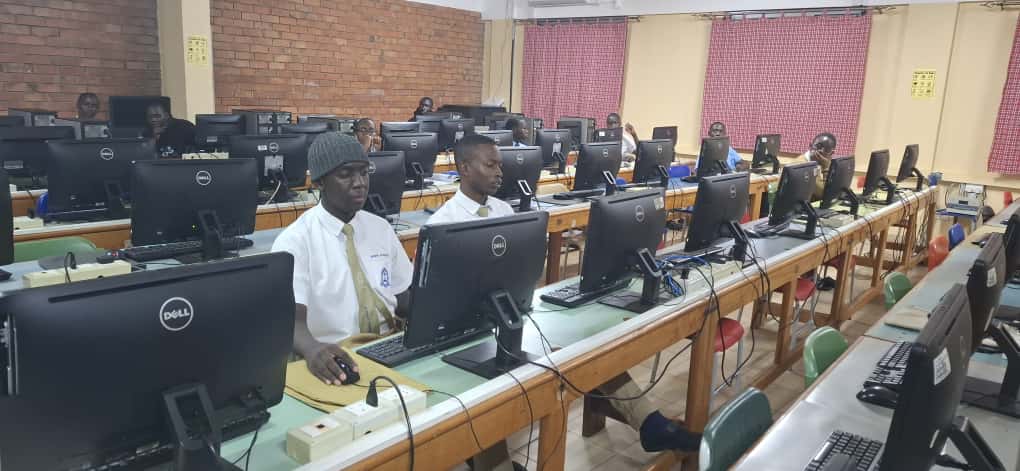
The world is rapidly going hi-tech in almost every aspect of life. From education and communication to business and innovation, technology now shapes how we learn, work, and interact. In this fast-changing environment, young people must be equipped with the right skills to thrive.
Today’s learners need more than basic knowledge. They need to think critically, solve real-life problems, and adapt creatively to new challenges at school, at home, and in the world of work. They must be innovative in how they approach learning and confident in applying digital skills to everyday life. This is where ICT Clubs play a vital role.
Why ICT Clubs Matter
Information and Communication Technology (ICT) provides powerful tools that enable young people to make meaningful impact locally and globally—when they are guided properly. ICT Clubs offer a structured, sustainable platform where learners can explore technology beyond the classroom, develop hands-on skills, and grow into responsible digital citizens.
Through ICT Clubs, students learn how to:
-
Communicate effectively using digital tools
-
Work collaboratively with others
-
Think independently and creatively
-
Apply functional mathematics and ICT skills to solve problems
These clubs nurture curiosity, confidence, and innovation among learners.
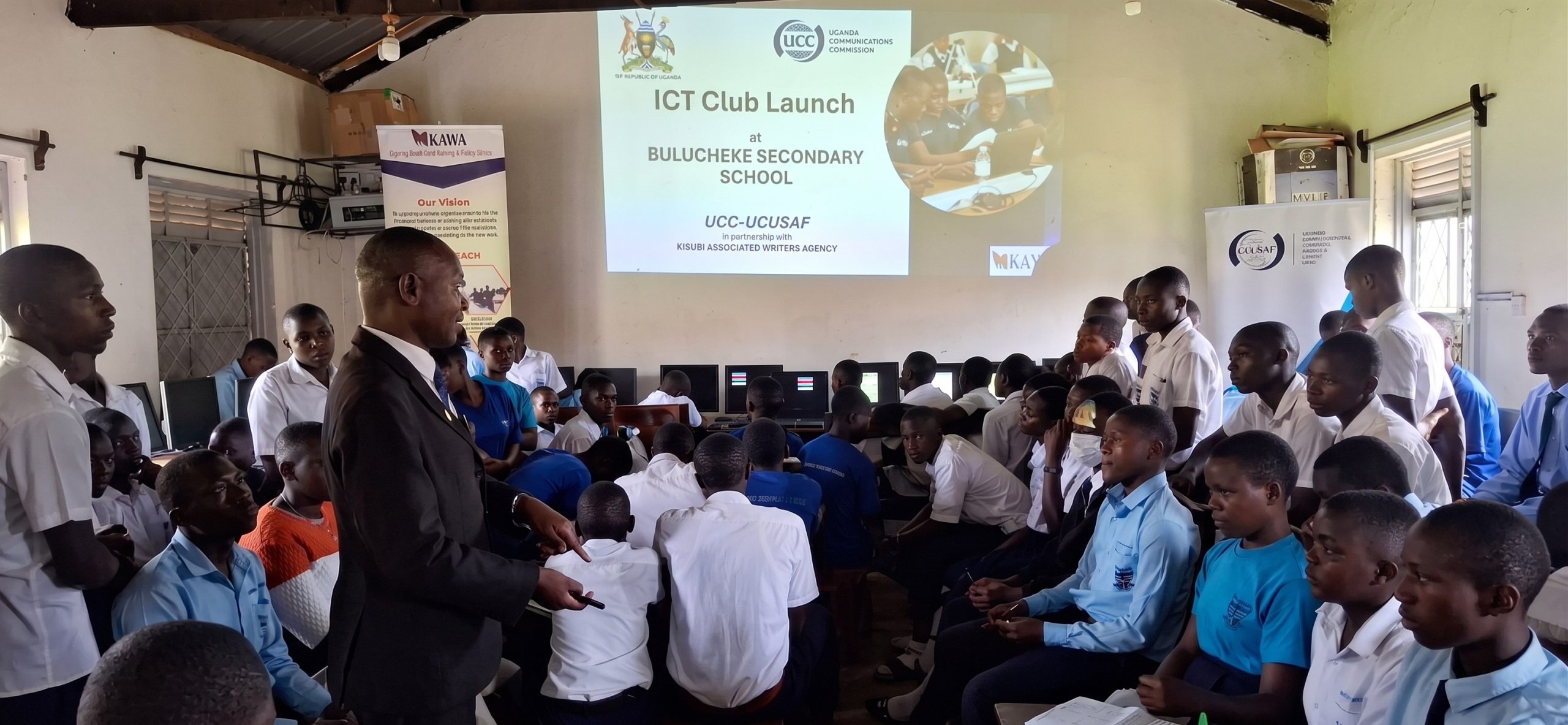
We are deeply grateful to UCC/UCUSAF for funding and supporting this transformative initiative, which continues to empower schools and learners across Uganda.
Objectives of the ICT Club Initiative
The ICT Club objectives, as articulated by UCC/UCUSAF, are designed to promote sustainability, ownership, and innovation within schools.
1. Ensuring Sustainable School ICT Labs
Students are equipped with practical skills to operate ICT labs according to best practices. They learn how to handle, protect, and maintain ICT equipment, ensuring long-term sustainability of school ICT infrastructure.
2. Promoting Ownership and Responsibility
ICT Clubs empower learners to take ownership of their school ICT labs. This sense of responsibility encourages discipline, care for equipment, and accountability among students.
3. Providing Practical ICT Skills Beyond the Curriculum
Students gain hands-on ICT skills that go beyond what is taught in the formal ICT curriculum. This increased exposure prepares them for higher education, innovation challenges, and future digital careers.
4. Creating a Direct Engagement Platform with UCC/UCUSAF
ICT Clubs provide a channel through which students can directly engage with UCC/UCUSAF on ICT matters affecting their schools. Learners also develop self-monitoring and reporting skills, reducing reliance on external supervision.
5. Nurturing and Recognizing ICT Innovation
The initiative nurtures creativity and innovation at the secondary school level. Outstanding ICT skills and student-led innovations are annually recognized by UCC/UCUSAF, motivating learners to excel and innovate further.
Building the Future, One ICT Club at a Time
ICT Clubs are more than extracurricular activities.
They are incubators for digital skills, responsibility, innovation, and leadership.
By empowering learners today, we are preparing Uganda’s youth to confidently participate in the digital economy of tomorrow—equipped, inspired, and ready to make impact.




Leave a Reply
You must be logged in to post a comment.