Practical Digital-Education Programmes for Schools, Teachers and Learners
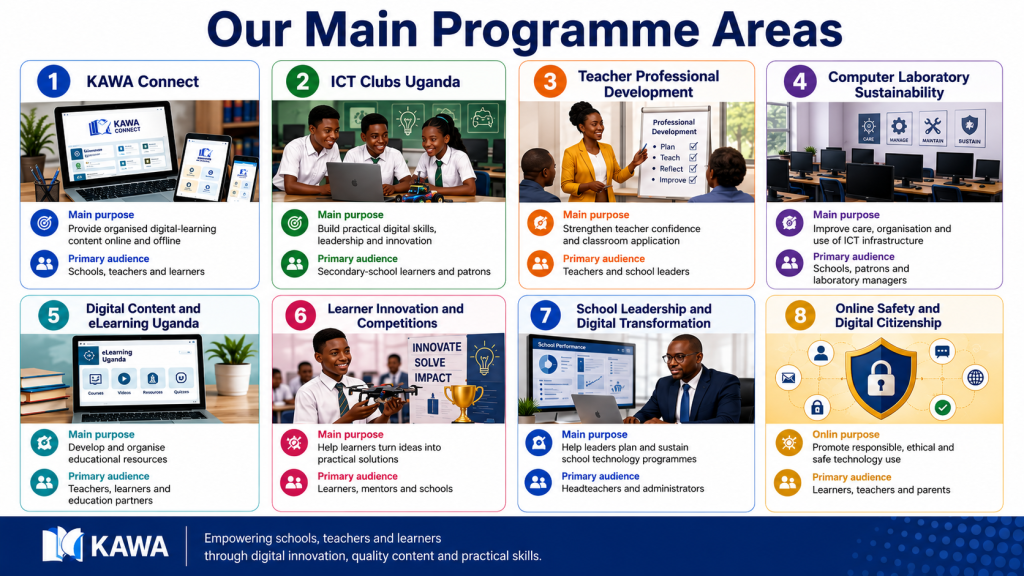
KAWA Uganda helps schools use technology effectively, safely and sustainably. Our programmes combine educational content, teacher capacity development, learner participation, computer laboratory sustainability, innovation and school-level follow-up.
Whether a school needs organised digital content, stronger teacher confidence, an active ICT Club, improved laboratory systems or guidance for learner projects, KAWA works with its leadership to identify a practical way forward.
Explore Our Programmes
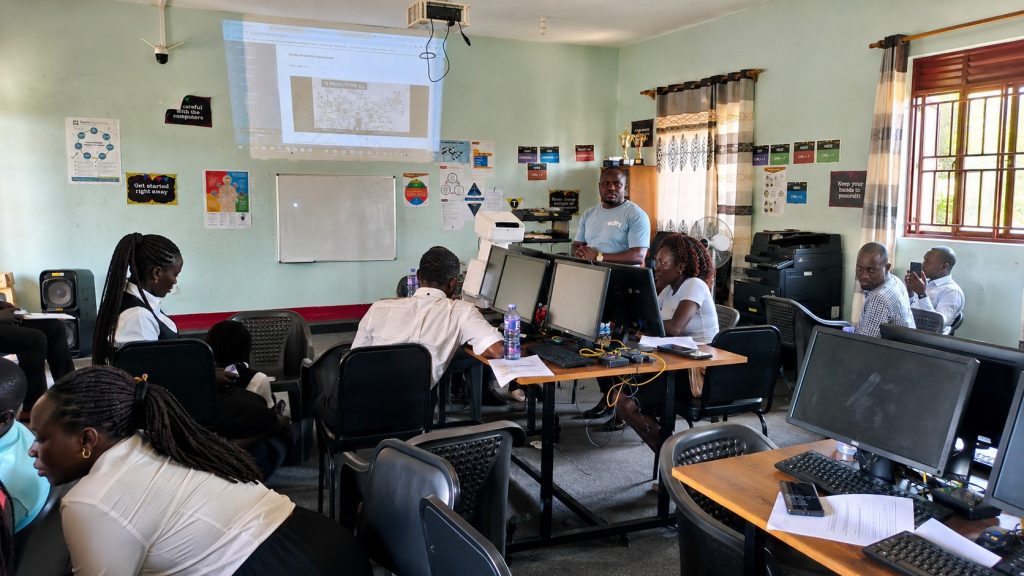
Teacher Training
KAWA empowers teachers with practical digital skills to improve classroom delivery, enrich lessons, and confidently integrate technology into teaching and learning. We support teachers to become more effective guides in a changing education environment.
Kawa
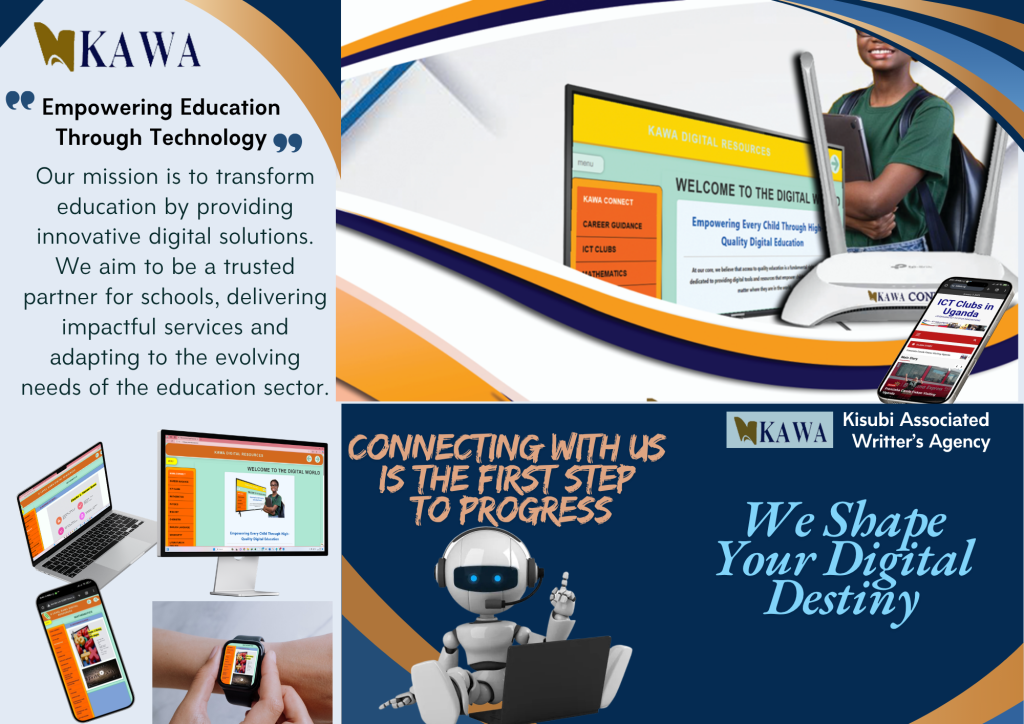
Connect
KAWA Connect expands access to affordable digital learning resources for schools. It helps teachers and learners use quality content, supports school-wide technology use, and brings enriched learning closer to every classroom.
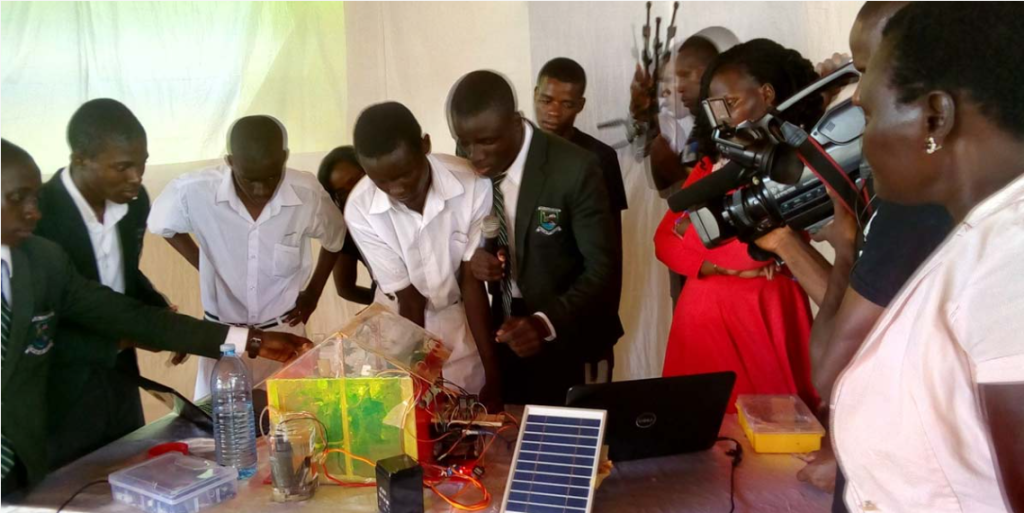
Learner Innovation and ICT Clubs
KAWA supports ICT Clubs and learner-led innovation projects that build creativity, collaboration, and problem-solving skills. We encourage learners to use technology not only for study, but also for innovation and practical solutions.
Computer Lab Sustainability
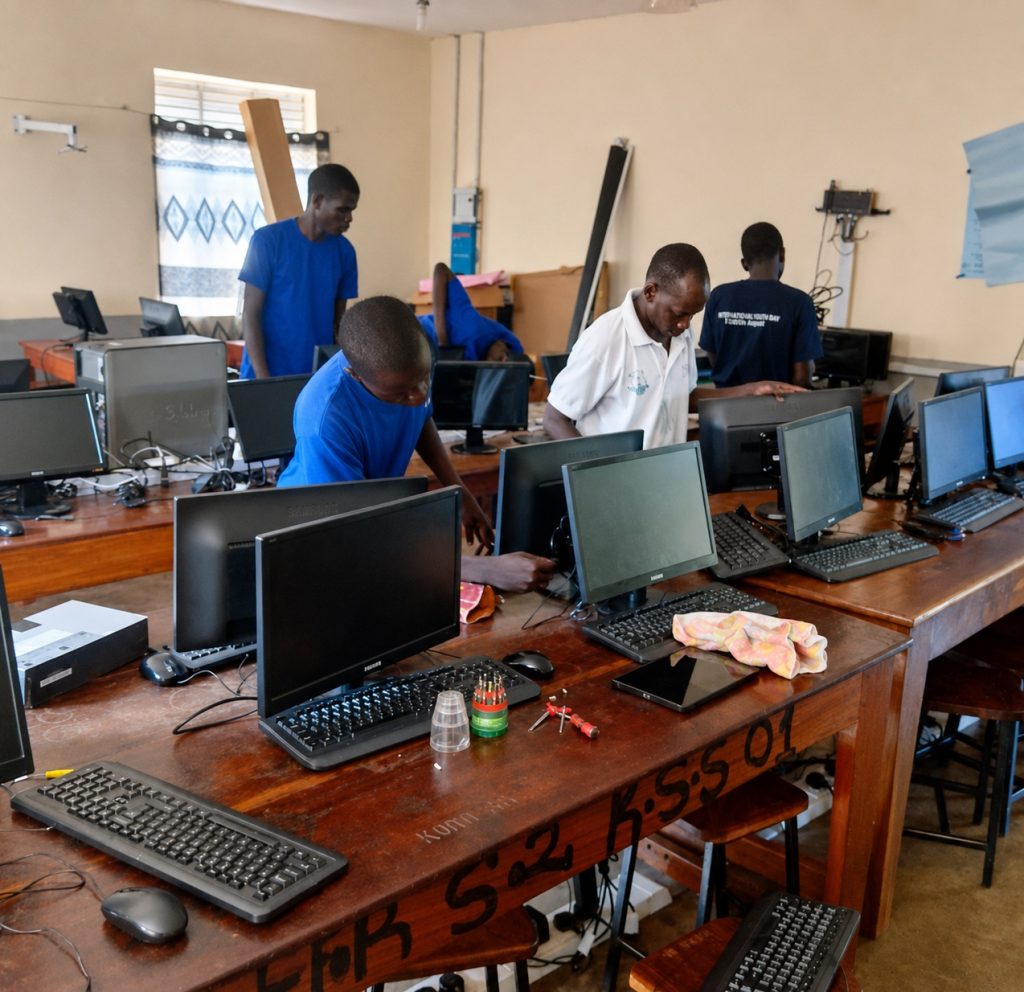
KAWA helps schools establish, manage, and sustain active computer laboratories. We promote effective use of available equipment, better lab management, and long-term functionality so that computer labs remain useful for teaching and learning.
Connecting Technology to Real Educational Needs
Technology has the greatest educational value when it is supported by relevant content, prepared teachers, responsible learners, supportive leadership and reliable school systems. KAWA’s programmes address these connected needs. We do not treat digital content, teacher development, ICT Clubs, laboratory maintenance and learner innovation as isolated activities. We bring them together to help schools create an environment in which technology is regularly used for teaching, learning, creativity and problem-solving
KAWA helps schools move from technology access to meaningful technology use.