From Educational Writing to Digital School Transformation
KAWA’s journey began with a belief that Ugandan teachers and learners deserve educational resources that are relevant, practical and connected to their everyday realities.
What started with educators collaborating to develop and share learning materials gradually expanded into teacher professional development, digital-content production, school technology support, KAWA Connect and learner-led ICT Clubs.
Our story is one of educators responding to changing school needs while remaining committed to a simple purpose: helping technology contribute meaningfully to teaching, learning and opportunity.
Discover how KAWA Uganda grew from educational writing and teacher collaboration into a national organisation supporting digital learning, KAWA Connect, ICT Clubs, teacher development and learner innovation.
KAWA did not begin with technology alone. It began with teachers, educational content and the need to make learning more understandable and accessible. As we worked with educators and schools, one issue became increasingly clear: many teachers had valuable knowledge and experience, but they needed better ways to develop, organise and distribute educational resources.
At the same time, computers and digital technologies were entering schools. These tools created new possibilities, but access to equipment did not automatically result in improved teaching or practical learner skills. We therefore began connecting educational content, teacher capacity and technology. This combination would later become central to the organisation’s work.
Our journey has always been guided by one question: how can we help teachers and learners use available resources more effectively?
Where the Journey Began
Educators Working Together
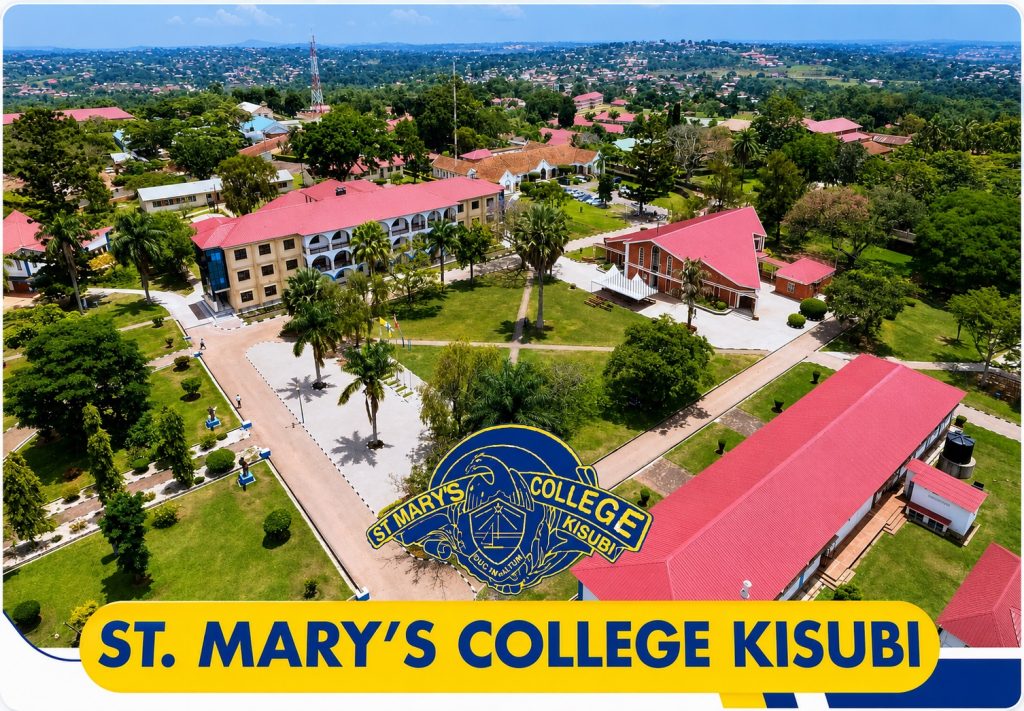
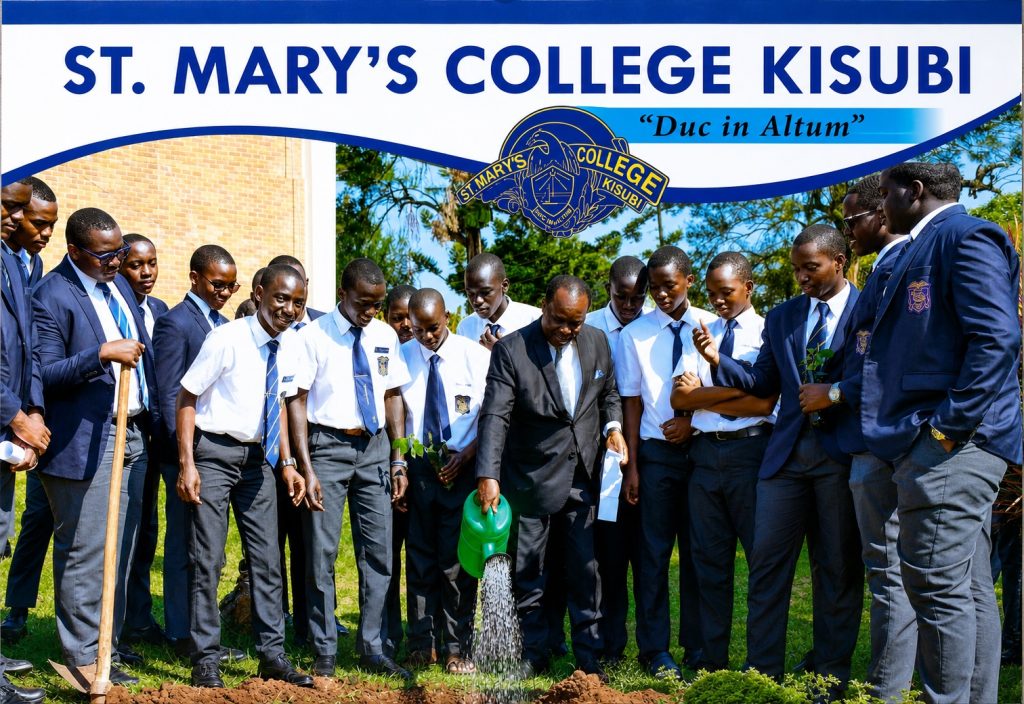
KAWA—Kisubi Associated Writers Agency—was founded as a platform through which educators, writers and subject specialists could work together to develop and share educational materials. This was at St. Mary’s College Kisubi where Moses Wamanga and Peter Matsanga were teaching and leading the learning landscape through research abd local book publications. The Brothers of instruction at SMACK especially Brother Edward Bukenya who was the Headteacher at the time of this initiative was very supportive financially and morally. When former Headteacher Mr. John Agaba joined the Ministry of Education and sports as Commissioner for Secondary Education, KAWA got a lot of support someone who understood the power of teachers going into technology as champions.
The organisation recognised that teachers were not only classroom instructors. They were also writers, researchers, mentors, content creators and important sources of local educational knowledge. By bringing educators together, KAWA sought to improve access to learning resources while giving teachers opportunities to contribute their professional experience beyond their individual schools.
The Early Education Challenge
Many teachers developed useful notes, lesson materials and classroom approaches, but these resources often remained within individual schools. Printing and distribution were costly. Updating printed content was difficult, and schools in different regions did not always have equal access to quality educational materials. KAWA’s early work focused on helping educators create, organise and distribute learning resources more effectively.
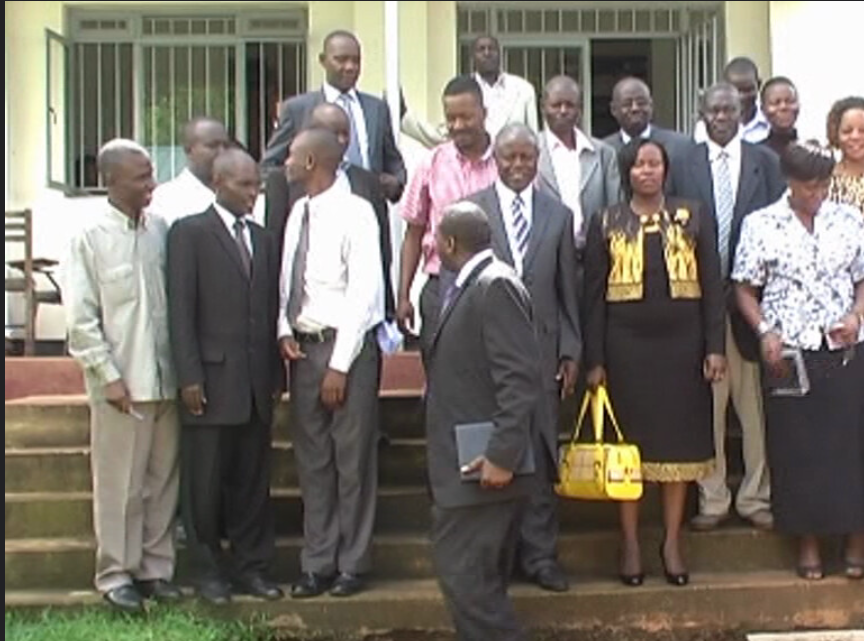
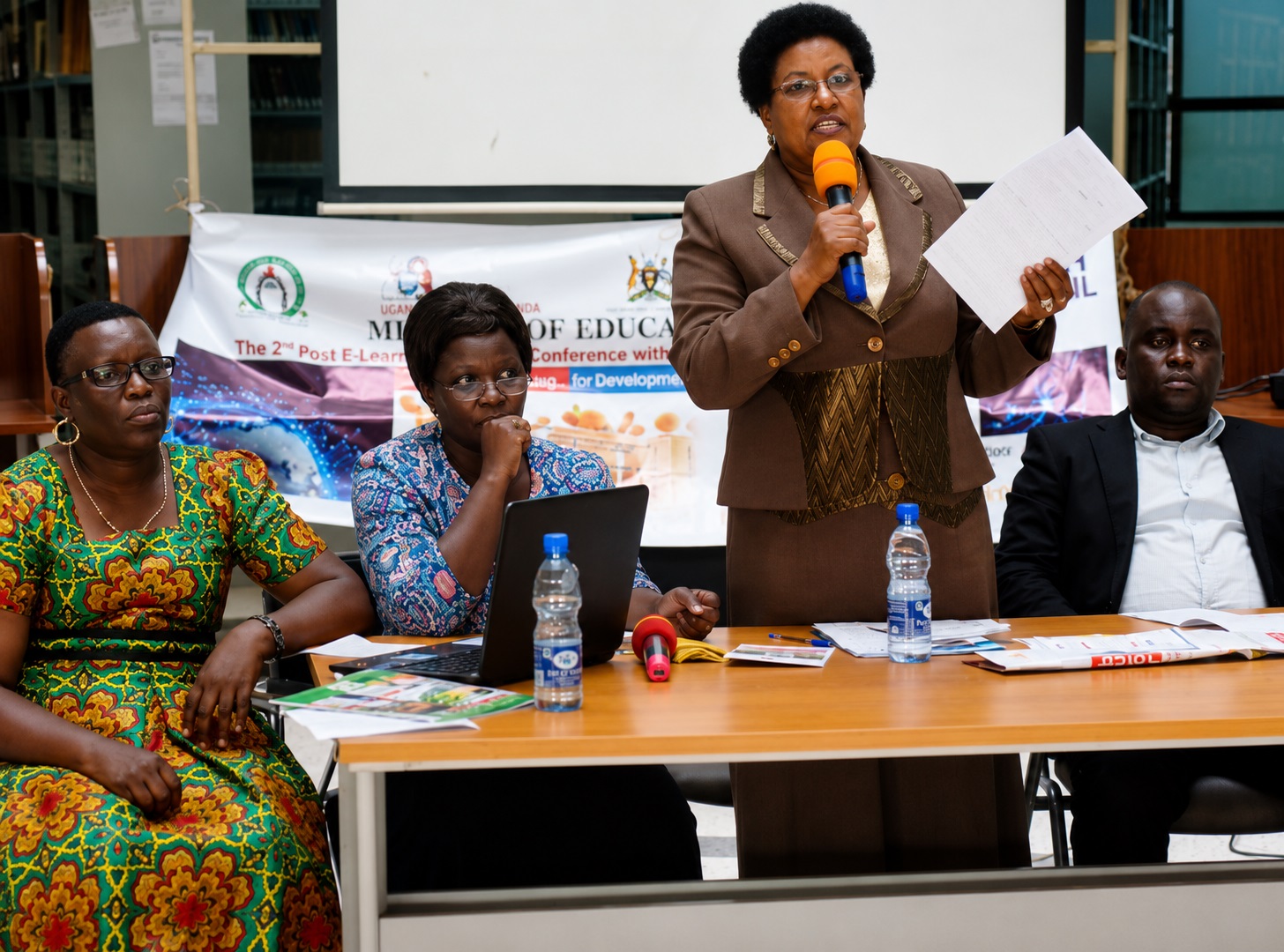
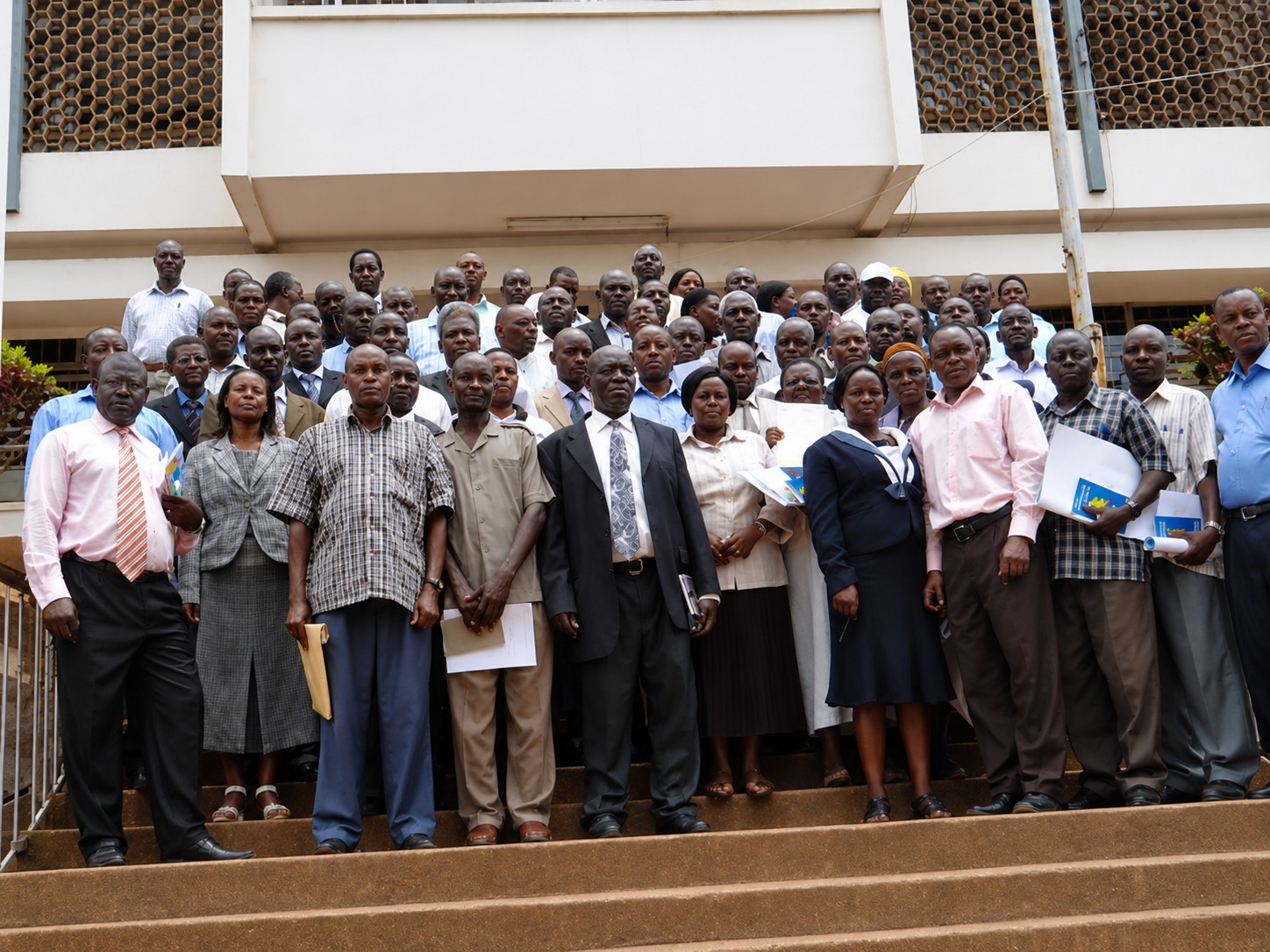
Valuable Knowledge Was Not Reaching Enough Learners. The then Minister of Education and Sports Hon. Geraldine Namirembe Bitamazire recognised the work of KAWA. She personally attended that colourful function in launching the books in 2009. Present at the function were Commisioners and Ministry of Education top officals including headteachers from different secondary schools.
This experience provided an important foundation for KAWA’s later digital work. It showed that educational technology would only be useful when it carried relevant, well-organised and understandable content.
Moving Into Teacher Development
As we engaged more schools, it became clear that educational resources alone were not enough. Teachers needed opportunities to strengthen their skills, exchange experiences and learn how to use new tools confidently. School leaders also needed help understanding how technology could support teaching rather than remain separate from ordinary learning.
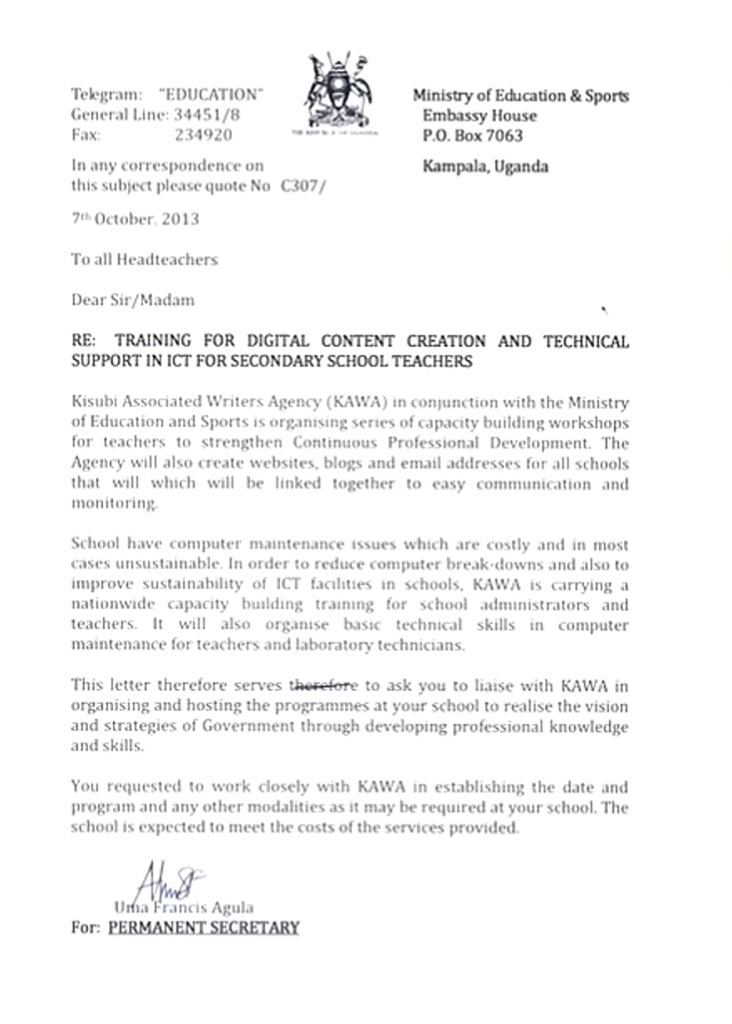
The then Permanet Secretary Ministery of Education Dr. Rose Nassali Lukwago was proactive in pushing teachers, school leaders in adopting technoloy. she attended our functions, provided circulars inviting headteachers to attende training.
KAWA therefore expanded into teacher professional development, supporting educators through workshops, online learning, mentoring, practical demonstrations and resource development.
During her tenure as Minister of Education and Sports, Dr. Hon. Jessica Alupo championed educational technology by officially launching the e-learning programme at MUBS Kampala and explicitly empowering KAWA to scale and implement these digital solutions across all schools nationwide.
This was through the support of early adopters like Owekitibwa Chotilda Nakate Kikomeko who was the headteacher of Trinity College Nabbingo and the Chairperson, Association of Secondary Schools Headteachers of Uganda (ASSHU).
These programmes were designed around real classroom conditions. Teachers were encouraged to apply what they had learnt, adapt it to their learners and share their experiences with colleagues. Educational transformation depends on capable and supported teachers—not technology alone.
Building Global Partnerships
With the support and training of Daniel Kakinda of SchoolNet Uganda, the KAWA team strengthened its international networks and expanded its collaboration with Rebecca Stromeyer, the Germany-based founder of eLearning Africa.
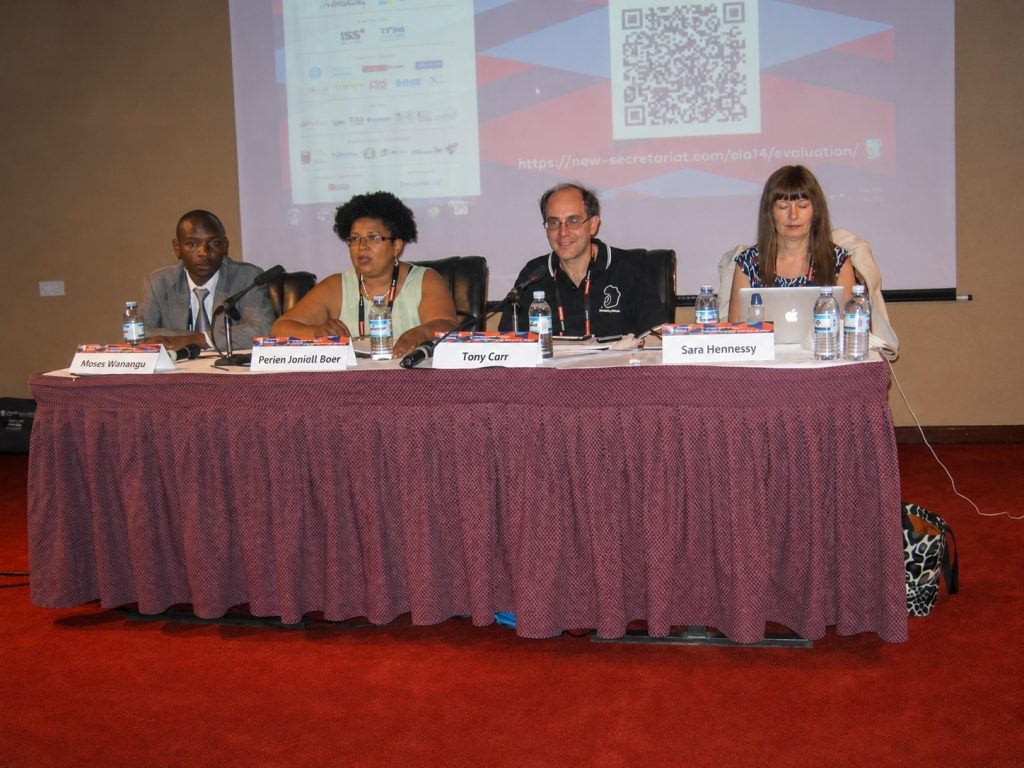
This exposure enabled KAWA’s leader, Moses Wamanga, to attend and present regularly at eLearning Africa conferences held across the continent. His journey took him to Nairobi, Lusaka, Dar es Salaam, Accra, Windhoek, Addis Ababa, Kigali and Cairo, where he shared KAWA’s work, gained new knowledge and built valuable partnerships with education and technology leaders from around the world.
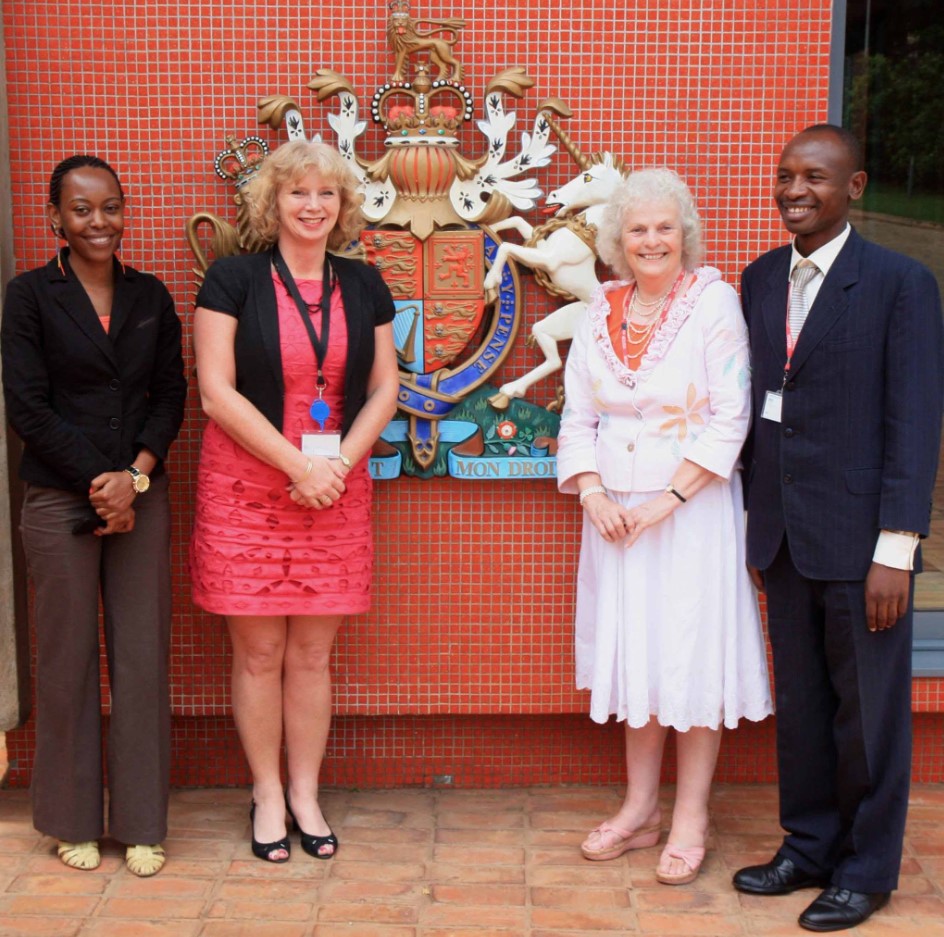
I met Alison Blackburne who was British High Commissioner in Uganda in 2014 & Carolyn Nyaika Marunga British Council Uganda – head partnerships & projects in Uganda. I was so thrilled to stand on British soil! We shared some good ideas and will move forward on them after the e-learning Africa Conference.
In this photograph, Moses Wamanga is seen at one of the conferences where he met Valerie Wood-Gaiger MBE, founder of Learn with Grandma International in the United Kingdom. Their meeting marked the beginning of a meaningful partnership that promoted intergenerational learning, digital inclusion and the use of technology to connect young people with older generations.
The Digital Transition: Responding to a Changing Education Environment
As computers, internet services and multimedia tools became more common, KAWA began exploring how digital technology could extend the reach and usefulness of educational content. Digital formats made it possible to combine: written notes; diagrams; photographs; audio; video; presentations; assessments; and interactive activities. However, KAWA also recognised that many schools faced unreliable internet access, expensive data and limited technical support.
This meant that copying a fully online education model would exclude many schools. KAWA needed an approach that could work both online and offline.
The Development of KAWA Connect: Building Digital Learning Around School Realities
KAWA Connect emerged from the need to make organised educational content accessible within the realities of Ugandan schools. It was designed to support teachers and learners through structured, curriculum-supporting digital resources that could be accessed in classrooms, computer laboratories and low-connectivity environments.
Rather than depending entirely on continuous internet access, KAWA Connect could be distributed through local systems and storage technologies suitable for schools. The platform brought together subjects, lessons, notes, videos, presentations and other learning resources while also connecting schools to teacher development and learner-engagement programmes.
The thinking behind KAWA Connect
KAWA Connect was based on five practical principles.
Local relevance: Content should reflect Uganda’s curriculum, learning needs and educational context.
Offline accessibility: Schools should be able to benefit even where continuous internet connectivity is unavailable or unaffordable.
Teacher support: Digital content should strengthen the teacher’s work rather than attempt to replace the teacher.
Structured learning: Resources should be organised by education level, subject and topic so that teachers and learners can find them easily.
Continued improvement: Content should be reviewed and updated as curriculum, technology and school needs change.
Equipment Was Available, but Use and Sustainability Remained Uneven
Through its engagement with schools, KAWA found that access to computers did not always translate into regular and meaningful educational use. Some laboratories were used mainly for formal computer lessons. Others faced faults, poor record keeping, weak maintenance routines, limited teacher confidence or inadequate learner access. This work helped shape KAWA’s approach to ICT Clubs. KAWA began supporting schools to consider the complete sustainability of their laboratories, including:
leadership and management;
preventive maintenance;
user responsibility;
fault reporting;
equipment inventory;
cleanliness and cable organisation;
online safety;
teacher participation;
and learner ownership.
The Growth of ICT Clubs: Giving Learners a Practical Role
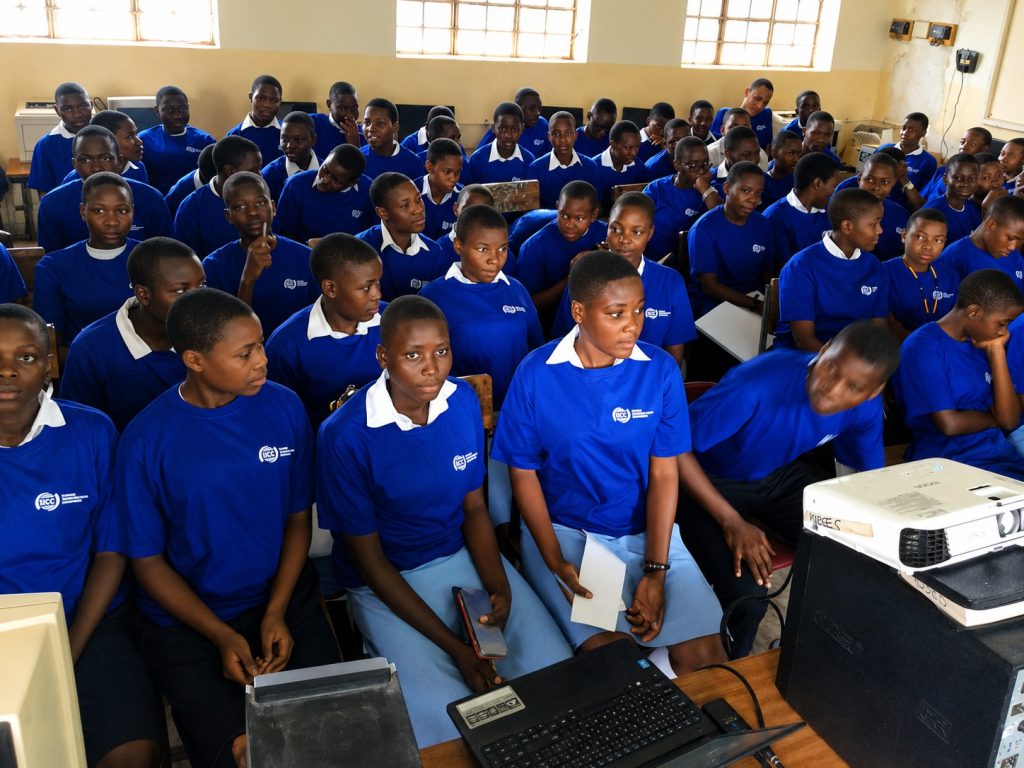
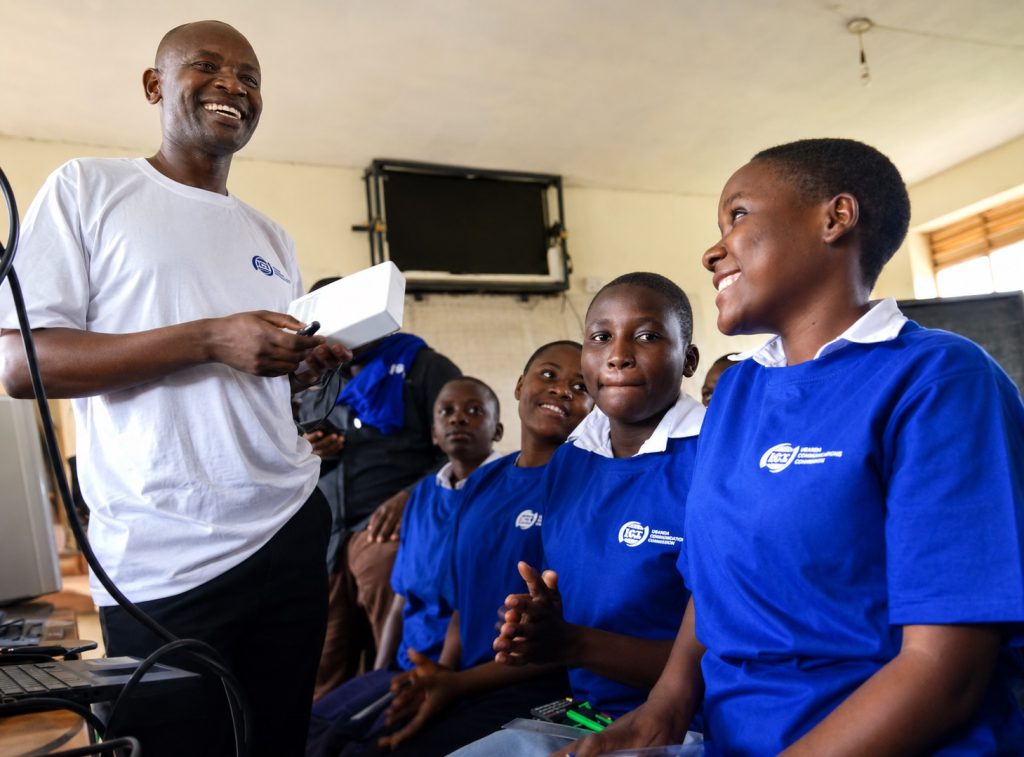
KAWA recognised that learners could become active contributors to the use and sustainability of school technology. ICT Clubs also helped extend technology use beyond formal lessons. Learners could explore web development, multimedia, programming, online safety, artificial intelligence, maintenance, entrepreneurship and innovation. Through ICT Clubs, learners gained structured opportunities to:
practise digital skills;
support responsible laboratory use;
work in teams;
lead activities;
mentor peers;
create digital content;
identify local problems;
and design practical solutions.
From computer users to problem-solvers
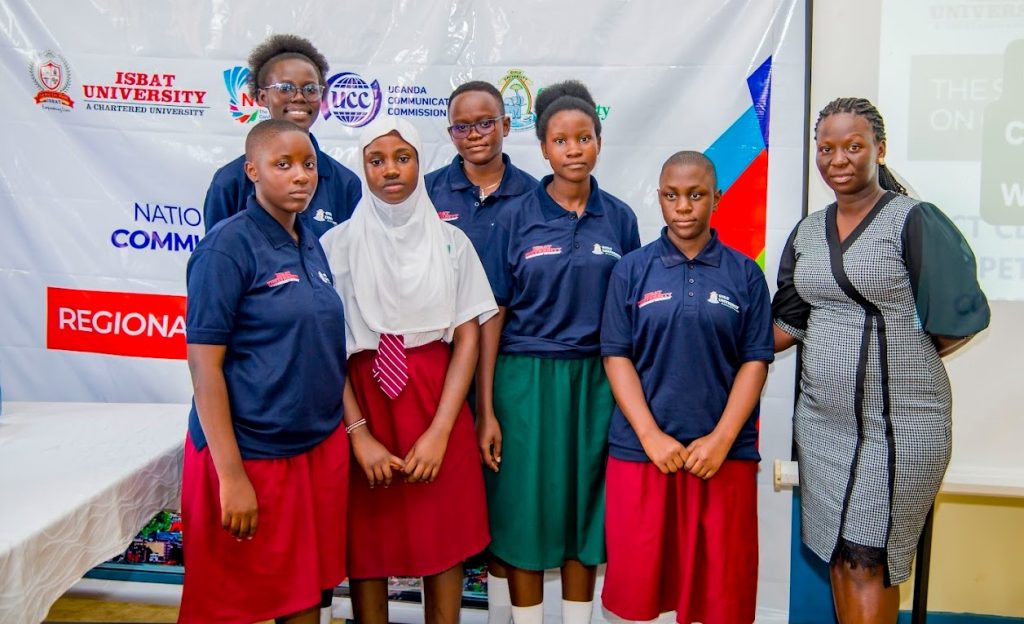
KAWA’s goal was not simply to help learners become faster users of existing software. Learners needed opportunities to think critically, create, test ideas, communicate their work and connect digital skills to problems in schools and communities. This approach became visible through school projects, regional exhibitions and national innovation competitions.
The National ICT Clubs and Innovation Journey: Creating Platforms for Learner Ideas
As ICT Clubs expanded, KAWA helped schools move from isolated club activities towards opportunities for learners to demonstrate, compare and improve their innovations. Learners identified challenges in areas such as:
education;
agriculture;
health;
school management;
communication;
sanitation;
accessibility;
and environmental protection.
Through school activities, regional competitions and national platforms, learners gained experience in:
problem identification;
project planning;
teamwork;
prototype development;
public speaking;
receiving feedback;
and improving solutions.
These events showed that learners can create locally relevant technology when they are given mentorship, time and recognition.
Schools Became Co-Implementers, Not Just Beneficiaries
KAWA’s work has grown through relationships with headteachers, teachers, ICT Club patrons, laboratory managers, learners, parents and school communities.
Schools have provided:
venues;
local leadership;
teacher mentors;
learner teams;
project ideas;
implementation evidence;
and feedback that has improved KAWA’s programmes.
KAWA’s experience has shown that programmes are more sustainable when schools understand their responsibilities and participate in designing the next steps.
For this reason, KAWA’s work increasingly includes school action plans, leadership structures, documentation systems, follow-up visits and local ownership.
Working With Government and Institutional Partners: Expanding Impact Through Collaboration
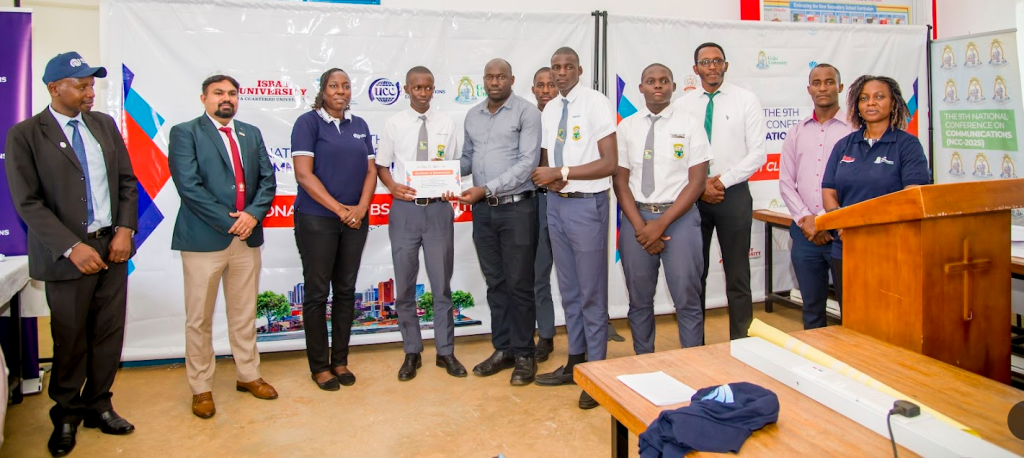
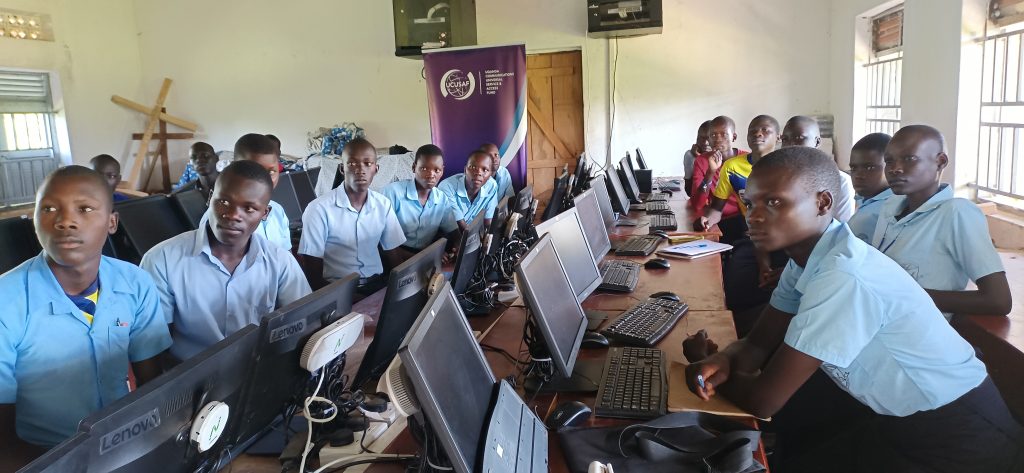
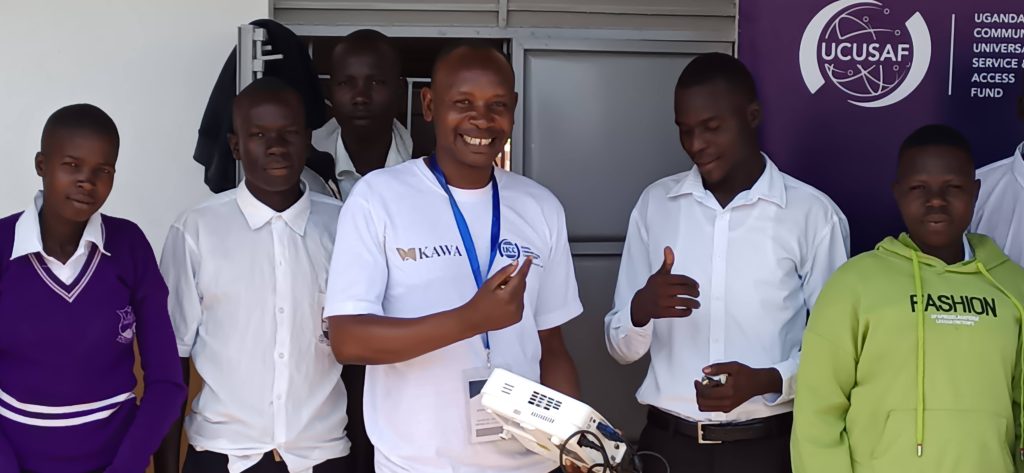
KAWA’s journey has also been strengthened by collaboration with government institutions, universities, education organisations, innovation hubs and development partners. Selected ICT Club activities have been implemented with support from the Uganda Communications Commission, including patron development, learner participation, computer laboratory sustainability and school-level innovation. KAWA has also worked with education partners to support teachers, school leaders and digital-learning programmes across Uganda. The first MoU was signed in 2009 with the Ministry of Education and Sports. KAWA partned with the Natioanl curriculum Development Centre, Makerere University College of Engineering Art and Technology, Makerere University buisiness School, UTAMU, Edify Uganda and different districts and international agencies
These partnerships have helped KAWA:
reach more schools;
strengthen training quality;
support learner opportunities;
document impact;
and contribute to wider education and digital-inclusion goals.









Leave a Reply
You must be logged in to post a comment.