Transforming Education Through Technology
You are most welcome to KAWA Uganda, a national education and technology initiative committed to improving the quality of teaching and learning through the meaningful, responsible, and sustainable use of Information and Communication Technology in schools.
At KAWA, we believe that education is the foundation of national development. A strong education system equips people with the knowledge, values, confidence, and practical skills required to improve their lives, create employment, solve community challenges, and contribute to Uganda’s social and economic progress.
Technology creates powerful new avenues for learning, communication, research, creativity, and innovation. However, the presence of computers and internet access alone does not automatically improve learning. Schools also need confident teachers, locally relevant curriculum content, responsible learners, supportive leadership, well-maintained computer laboratories, and continuous professional guidance.
KAWA Uganda exists to bring these essential elements together.
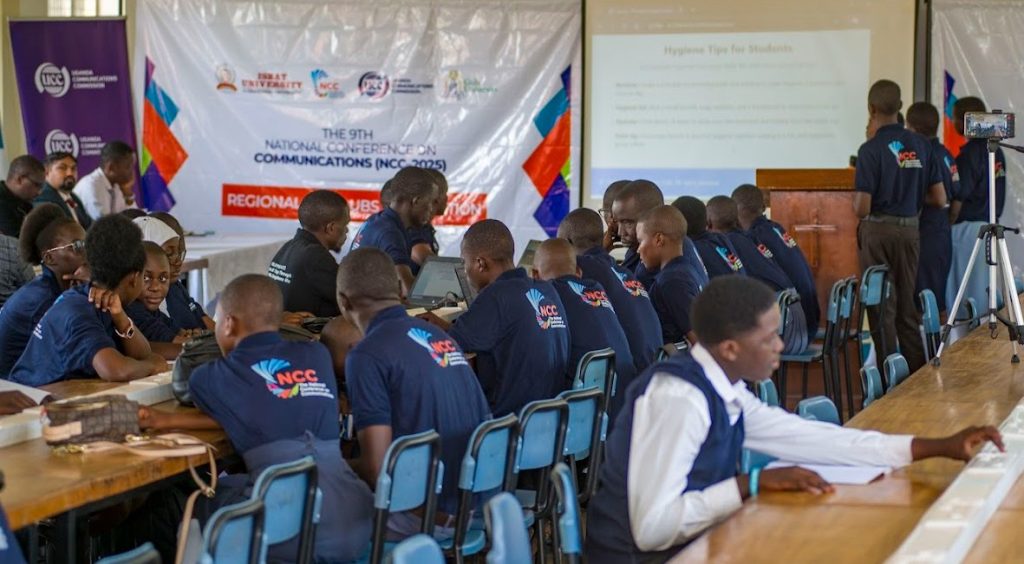
Over the years, we have worked with schools, teachers, learners, education leaders, government institutions, and development partners to promote the effective integration of technology into education. Our work focuses on helping schools use ICT not as a locked display item in a laboratory, but as a practical daily tool for classroom teaching, learner participation, school administration, educational research, innovation, and career development.
We recognise that schools operate under different conditions. Some have reliable internet and modern labs, while others face connectivity and equipment constraints. For this reason, KAWA champions solutions that function seamlessly both online and offline, ensuring every school can participate regardless of geographic location or bandwidth limitations.
Our Key Areas of Work
1. Teacher Professional Development
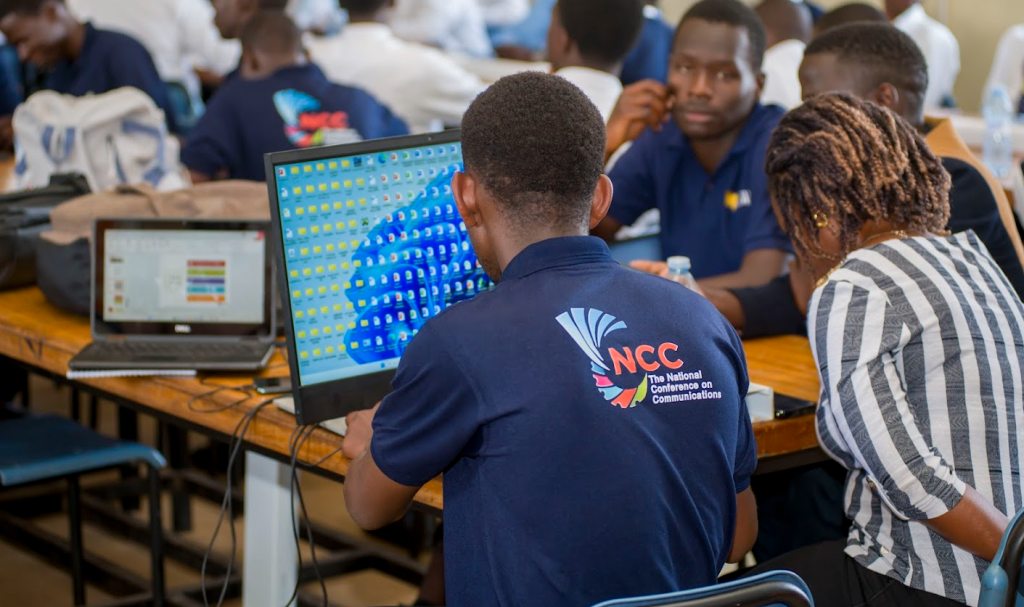
Teachers remain at the centre of meaningful educational transformation. KAWA supports in-service educators through practical digital-skills training, classroom technology integration, blended learning, online facilitation, educational content creation, and Continuous Professional Development (CPD).
Our approach goes beyond introducing software tools. We help teachers understand how digital resources directly enhance lesson preparation, subject explanation, learner engagement, assessment, and departmental peer collaboration.
2. ICT Clubs Uganda
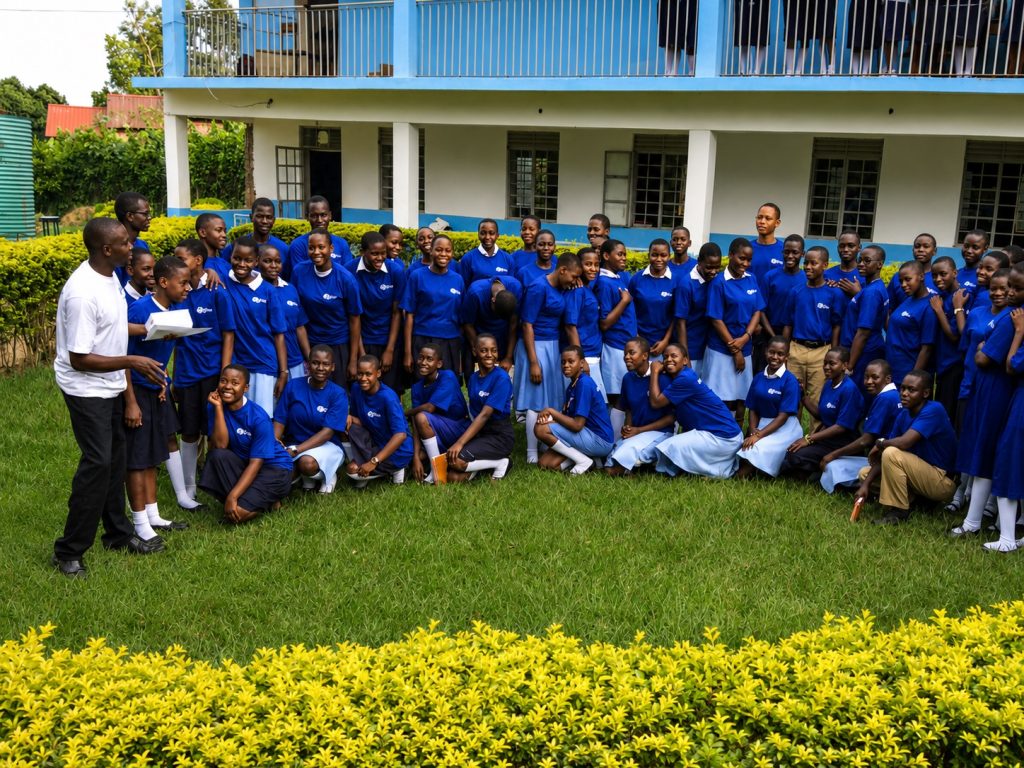
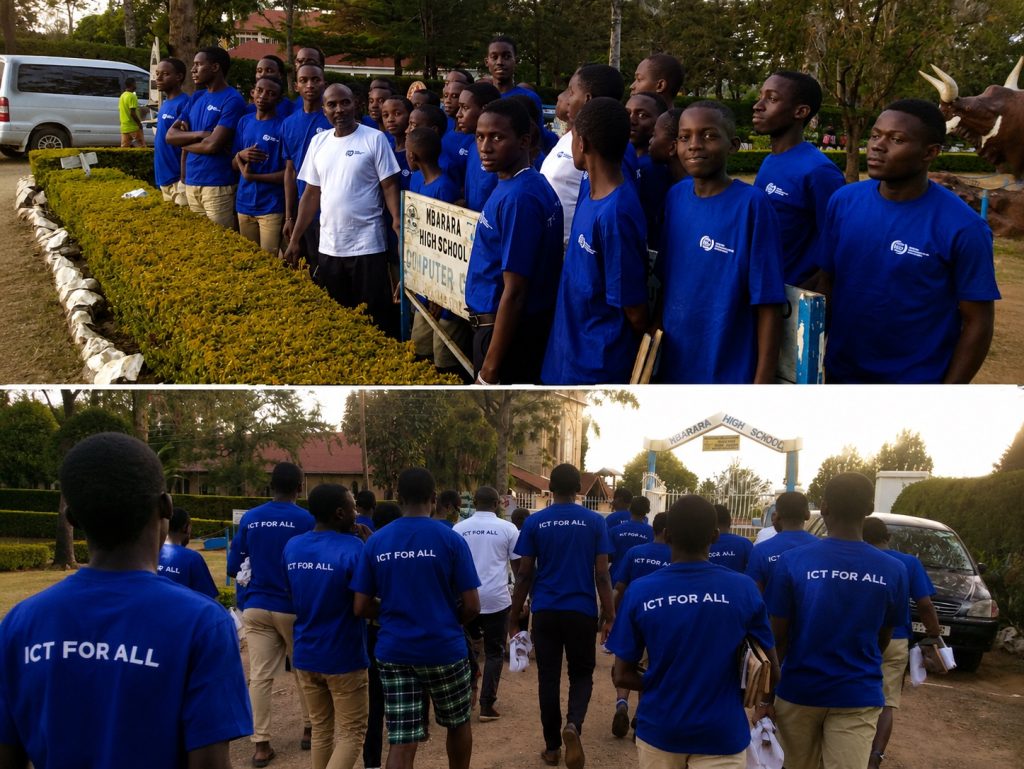
KAWA supports schools to establish and nurture active, student-led ICT Clubs. Clubs transform learners from passive consumers into creators, leaders, and problem-solvers.
- Computer use & web design;
- Coding, programming & robotics;
- Digital storytelling & multimedia;
- Online safety & responsible AI awareness;
- Practical project prototyping & lab stewardship.
3. Digital Content & eLearning
KAWA develops and curates locally relevant digital educational materials in collaboration with subject teachers and curriculum specialists. Resources include:
- Lesson schemes & structured notes;
- Interactive presentations & educational videos;
- Science simulations & practical activity guides;
- UNEB revision question banks & marking keys.
4. KAWA Connect (Offline Learning)
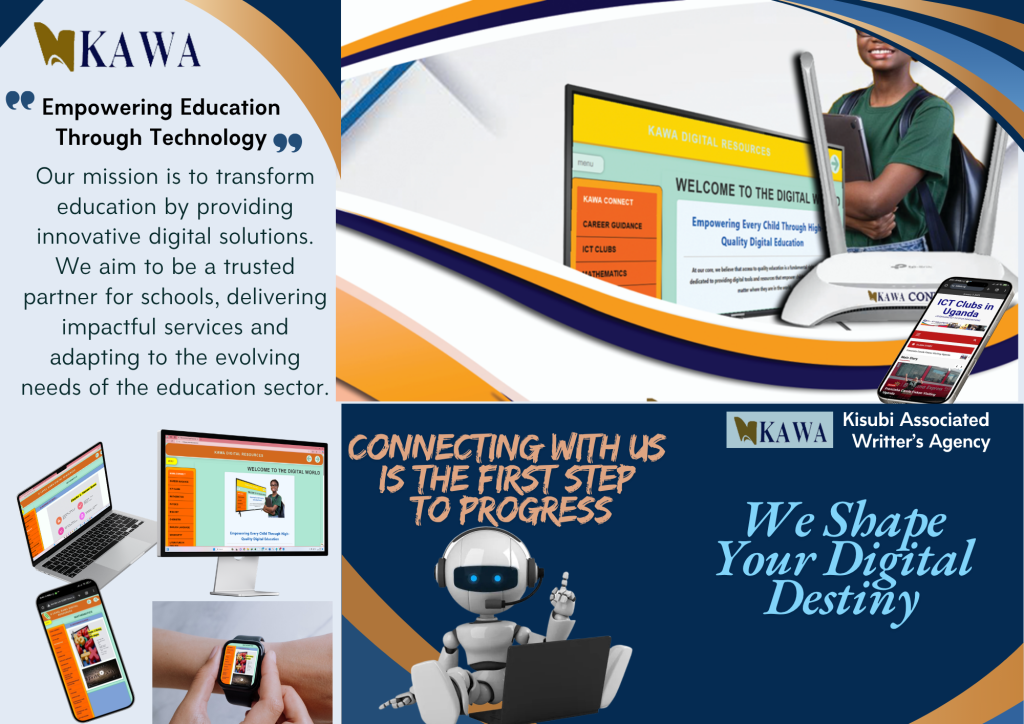
KAWA Connect is our flagship offline digital-learning solution. It delivers structured, curriculum-aligned educational content over local school servers and micro-hotspots at zero recurring internet data cost.
Content is organised systematically by Education Level > Class > Subject > Topic, accompanied by teacher navigation guides and ongoing technical support.
5. Computer Lab Sustainability
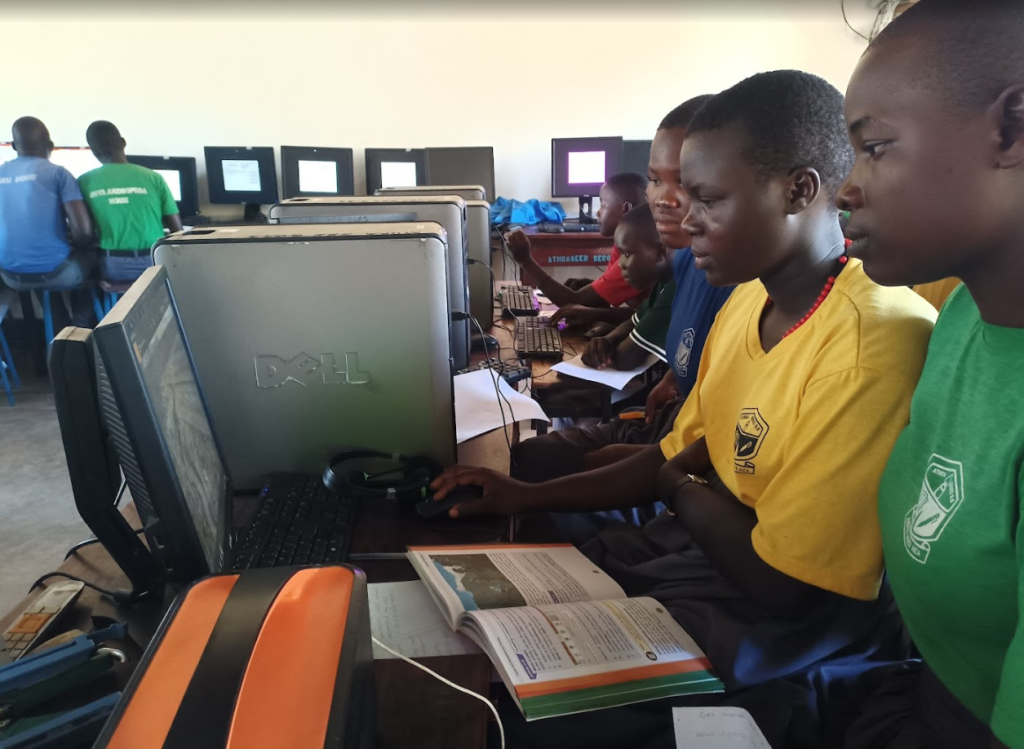
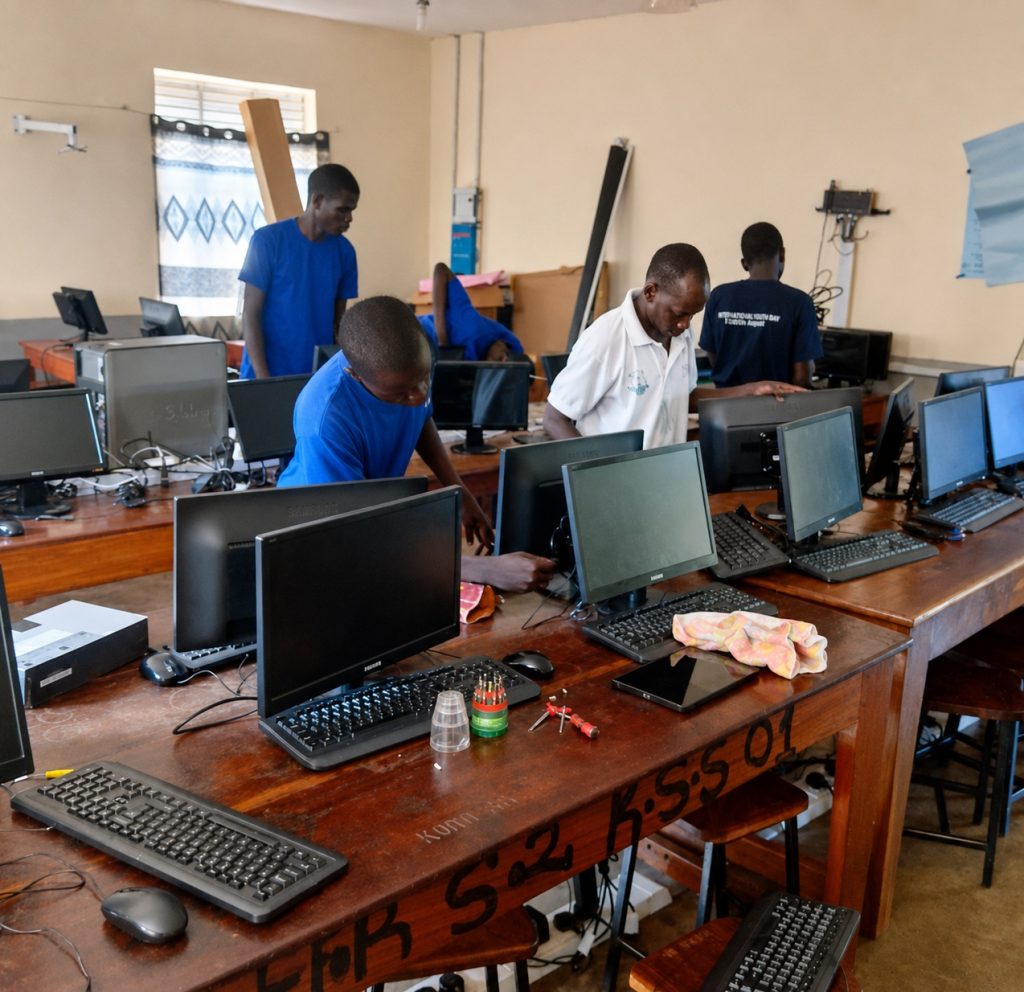
A computer lab creates lasting educational value only when workstations remain safe, operational, and accessible. KAWA helps schools establish:
- Hardware asset registers & workstation numbering;
- Daily/weekly fault registers (48-hr resolution targets);
- Surge protection, power safety & dust hygiene;
- Cross-departmental lab timetabling schedules.
6. School Leadership & Planning
Sustainable digital transformation requires institutional governance. KAWA guides headteachers, deputies, directors of studies, and bursars to develop multi-year School Digital Plans covering:
- Curriculum-aligned technology priorities;
- Total Cost of Ownership (TCO) lifecycle budgeting;
- School data protection & acceptable-use policies;
- Termly monitoring dashboards and succession planning.

7. Learner Innovation Projects
Using our structured 14-Step Innovation Pathway, student teams investigate authentic school and community challenges, design working prototypes, conduct real user testing, and present evidence-based pitches at regional and national championships in areas like agriculture, education, healthcare, and environmental conservation.
8. eLearning Uganda & Career Guidance
Through eLearning Uganda and career mentorship programmes, KAWA prepares young minds for digital careers in software development, data science, cybersecurity, cloud computing, and technology entrepreneurship.
Working Through Partnerships
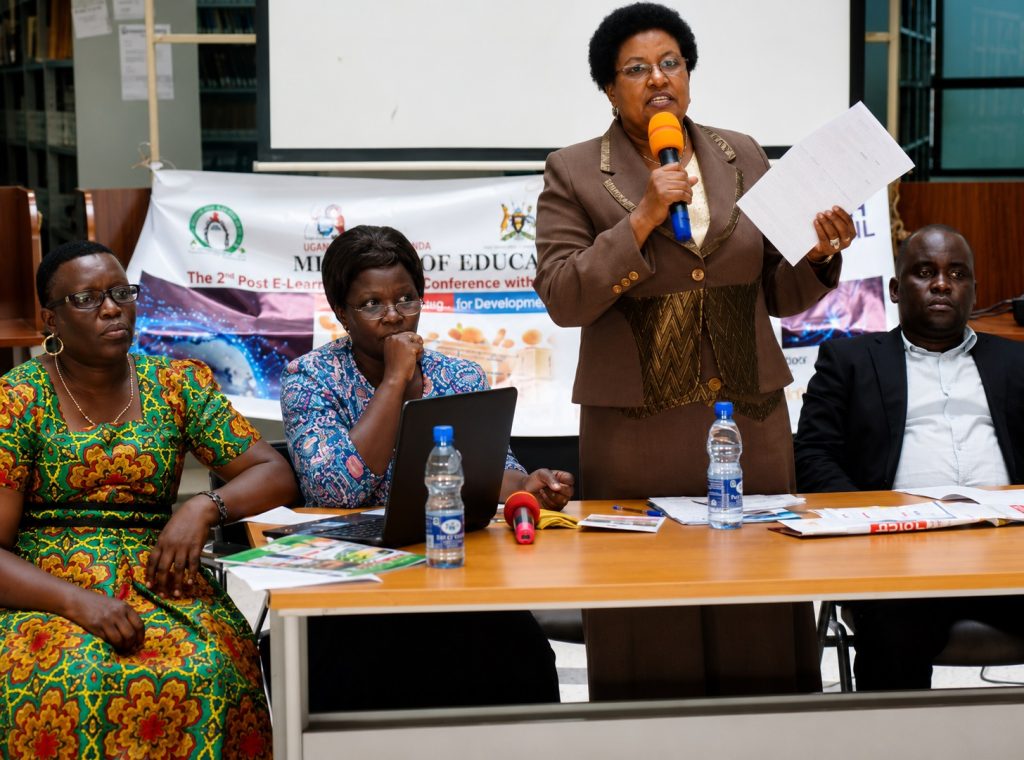
We work collaboratively with government institutions, the Uganda Communications Commission (UCC/UCUSAF), the Ministry of Education and Sports, Makerere University Business School (MUBS) ICT Centre, university innovation hubs, development agencies, and headteachers’ associations (such as ASSHU).
Our partnership model guarantees clear accountability, institutional ownership, and direct school-level impact.
Our Commitment to Inclusion
Digital education must not be limited to well-resourced urban centres. KAWA actively ensures:
- Equal leadership and technical roles for girls in computing;
- Tailored offline support for rural and low-resource schools;
- Accessible learning resources for students with disabilities;
- Strict child safeguarding and data privacy across all programmes.
Join Us in Transforming Education in Uganda
Together, we can help schools become vibrant centres of creativity, innovation, responsible technology use, and lifelong learning.