Turning Digital-Education Support Into School-Level Action

KAWA Uganda works with schools, teachers, learners, parents, government institutions, education authorities, universities, technology organisations and development partners to strengthen digital learning, teacher capacity, learner innovation, computer laboratory sustainability and responsible technology use. Our impact is demonstrated not only by the number of activities we conduct, but also by the systems schools establish, the skills teachers apply, the projects learners develop and the improvements that continue after training, installation, mentorship or programme launch.
Our central impact principle is simple: we do not measure success only by what KAWA delivered. We also examine what school leaders, teachers, ICT Club patrons and learners applied, continued, improved and sustained.
Our evidence commitment is to communicate progress honestly. We explain who was reached, what support was provided, what participants produced, what schools implemented, what evidence confirms progress, what challenges remain and what KAWA intends to improve.
A Message From Our Founder
From the beginning of KAWA, I have believed that technology can create meaningful educational opportunity when it is supported by prepared teachers, active learners, responsible school leadership, relevant content and sustainable systems.
Our responsibility is not completed when we conduct a workshop, launch an ICT Club, install digital content or organise a competition. Our responsibility includes helping schools turn those opportunities into continued teaching, learning, creativity, leadership and innovation.
The impact I want KAWA to be known for is visible in a teacher confidently using digital resources, a learner explaining a project they genuinely developed, a patron guiding regular ICT Club meetings, a headteacher allocating time and resources, and a computer laboratory remaining functional and educationally active.
Our success belongs to many people. It belongs to the teachers who apply what they learn, the learners who investigate and create, the school leaders who provide support, the parents who encourage responsible participation, the partners who contribute resources and expertise, and the KAWA teams who continue supporting implementation.
We therefore celebrate progress while remaining honest about the work still required.
Moses Wamanga
Founder and National Chairman
KAWA Uganda
Impact Begins After the Activity
The question is not only, “What did KAWA do?” It is also, “What did the school do next?”
A workshop may introduce knowledge, but lasting impact begins when a teacher or patron applies that knowledge in a school.
An installation may provide access to digital content, but meaningful impact begins when teachers use the content to prepare lessons and learners use it to understand, practise and revise.
An ICT Club launch may create excitement, but sustainable impact begins when the club meets regularly, maintains records, develops learner leadership and carries out practical activities.

A computer laboratory assessment may identify faults and risks, but improvement begins when the school updates its inventory, introduces a fault register, assigns responsibilities and allocates resources.
A learner competition may provide recognition, but deeper impact begins when learners use feedback to improve their project, continue testing it and transfer knowledge to younger club members.
A certificate may confirm that someone attended a programme, but it does not by itself demonstrate changed teaching, learner competence or sustainable school practice. KAWA therefore connects implementation with application, follow-up, documentation, reflection, local ownership and continued improvement.
Our Impact
KAWA Uganda works with schools, teachers, learners, parents, government institutions, education authorities, universities, technology organisations and development partners to strengthen digital learning, teacher capacity, learner innovation, computer laboratory sustainability and responsible technology use. Our impact is demonstrated not only by the number of activities we conduct, but also by the systems schools establish, the skills teachers apply, the projects learners develop and the improvements that continue after training, installation, mentorship or programme launch.
Our central impact principle is simple: we do not measure success only by what KAWA delivered. We also examine what school leaders, teachers, ICT Club patrons and learners applied, continued, improved and sustained.
Our evidence commitment is to communicate progress honestly. We explain who was reached, what support was provided, what participants produced, what schools implemented, what evidence confirms progress, what challenges remain and what KAWA intends to improve.

Turning Digital-Education Support Into School-Level Action
A Message From Our Founder

From the beginning of KAWA, I have believed that technology can create meaningful educational opportunity when it is supported by prepared teachers, active learners, responsible school leadership, relevant content and sustainable systems.
Our responsibility is not completed when we conduct a workshop, launch an ICT Club, install digital content or organise a competition. Our responsibility includes helping schools turn those opportunities into continued teaching, learning, creativity, leadership and innovation.
The impact I want KAWA to be known for is visible in a teacher confidently using digital resources, a learner explaining a project they genuinely developed, a patron guiding regular ICT Club meetings, a headteacher allocating time and resources, and a computer laboratory remaining functional and educationally active.
Our success belongs to many people. It belongs to the teachers who apply what they learn, the learners who investigate and create, the school leaders who provide support, the parents who encourage responsible participation, the partners who contribute resources and expertise, and the KAWA teams who continue supporting implementation.
We therefore celebrate progress while remaining honest about the work still required.
Moses Wamanga
Founder and National Chairman
Impact Begins After the Activity
A workshop may introduce knowledge, but lasting impact begins when a teacher or patron applies that knowledge in a school.
An installation may provide access to digital content, but meaningful impact begins when teachers use the content to prepare lessons and learners use it to understand, practise and revise.
An ICT Club launch may create excitement, but sustainable impact begins when the club meets regularly, maintains records, develops learner leadership and carries out practical activities.
A computer laboratory assessment may identify faults and risks, but improvement begins when the school updates its inventory, introduces a fault register, assigns responsibilities and allocates resources.
A learner competition may provide recognition, but deeper impact begins when learners use feedback to improve their project, continue testing it and transfer knowledge to younger club members.
A certificate may confirm that someone attended a programme, but it does not by itself demonstrate changed teaching, learner competence or sustainable school practice.
KAWA therefore connects implementation with application, follow-up, documentation, reflection, local ownership and continued improvement.
The question is not only, “What did KAWA do?” It is also, “What did the school do next?”
Our Impact at a Glance

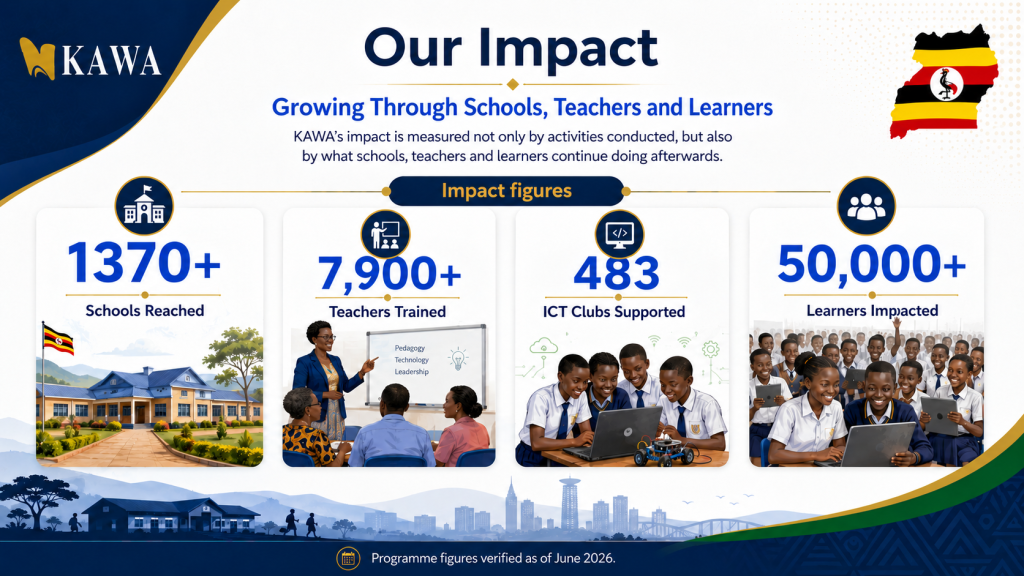
More Than 1370 Schools Reached
Schools reached represent institutions that have participated in at least one documented KAWA programme or service. These engagements include teacher development, KAWA Connect, ICT Club support, digital-content programmes, learner innovation, computer laboratory sustainability, school leadership and related educational initiatives. A school participating in several activities is counted once in the main unique-school total, while repeated engagements are recorded separately for programme analysis.
More Than 7,900 Teachers Trained
Teachers trained include educators, ICT Club patrons, school leaders, laboratory managers, content contributors and other education professionals who have participated in documented KAWA training and professional-development activities. We distinguish between teachers registered, teachers attending, teachers completing programme requirements, teachers receiving certificates and teachers later demonstrating school or classroom application.
483 ICT Clubs Supported
ICT Clubs supported include school clubs that have received one or more forms of documented KAWA support. This support may include club establishment, patron orientation, constitutions, learner leadership guidance, project mentorship, computer laboratory sustainability, competitions, school follow-up and access to club resources. We do not assume that every club supported historically remains equally active. Our monitoring distinguishes between clubs supported, clubs followed up, clubs currently active and clubs demonstrating stronger sustainability.
More Than 50,000 Learners Reached
Learners reached include young people participating directly through ICT Clubs, digital-learning sessions, learner projects, competitions, school programmes and supervised activities, together with learners reached through teachers using KAWA-supported resources under a defined reporting method.
What We Cover


Activities: Activities are the actions conducted by KAWA, its partners or participating schools. They include organising workshops, installing KAWA Connect, launching ICT Clubs, conducting school visits, facilitating project clinics, training teachers, assessing computer laboratories and organising innovation competitions. Activities show what was delivered. They are important, but they do not by themselves prove that behaviour, teaching practice or school systems changed.
Outputs: Outputs are the immediate products created through an activity. They include teachers trained, patrons oriented, action plans prepared, digital content installed, learner leaders selected, club constitutions developed, resources produced, prototypes demonstrated and school committees established. Outputs show that an activity produced something. They do not necessarily prove that the output was later used or sustained.
Outcomes: Outcomes are changes in knowledge, confidence, behaviour, professional practice or school systems. They include teachers using digital resources, ICT Clubs holding regular meetings, learners applying new skills, laboratories maintaining fault records, schools allocating resources and learner teams testing solutions with intended users. Outcomes show what participants or institutions began doing differently after receiving support.
Long-Term Impact: Long-term impact refers to wider and sustained educational change. This includes stronger digital competence, greater access to relevant educational content, continued use of school technology, stronger learner innovation, improved teacher confidence, sustainable laboratories and better preparation for education, employment, entrepreneurship and community participation. Our accuracy principle is that KAWA does not describe an activity, attendance figure or short-term output as long-term impact without credible supporting evidence.
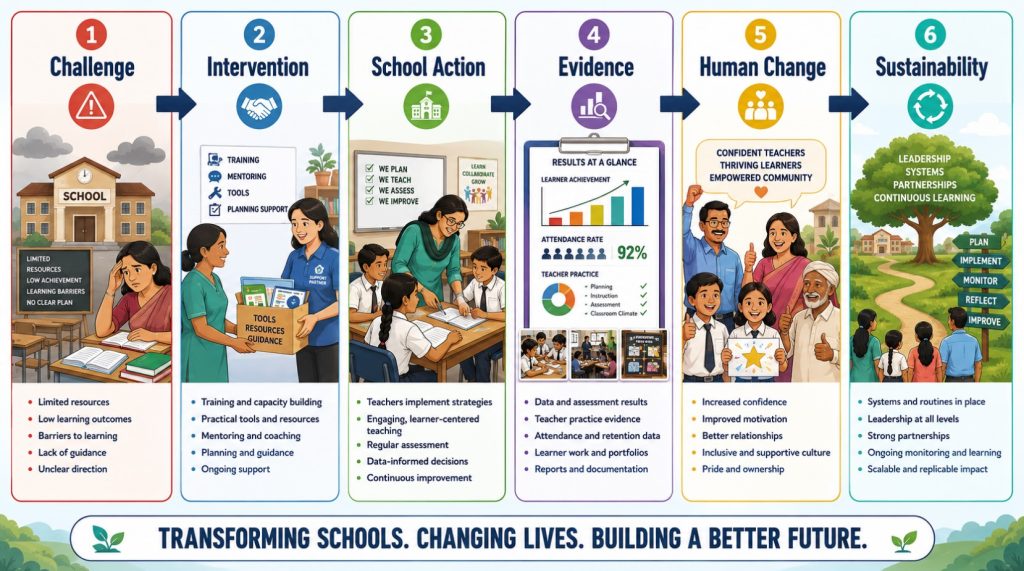
The KAWA Impact Evidence Chain
Challenge: The challenge explains the situation before the intervention. It may involve limited teacher confidence, inactive ICT Clubs, inadequate digital content, weak equipment records, poor laboratory organisation, limited learner opportunities or insufficient school leadership.
Intervention: The intervention explains what KAWA and its partners provided. It may include training, content, installation, assessment, mentoring, technical guidance, programme tools, competition opportunities or follow-up.
School Action: School action explains what the headteacher, teachers, patrons, learners and other responsible people implemented after receiving support. This is one of the most important parts of our impact evidence. KAWA can create an opportunity, but sustainable change requires school-level action. Evidence includes registers, action plans, lesson records, photographs, videos, project notebooks, laboratory logs, interviews, observations, platform data and verified figures.
Human Change: Human change explains who gained skills, confidence, responsibility, leadership, knowledge or opportunity.
Sustainability: Sustainability explains what continued after the initial activity, which systems were established, who assumed responsibility and what the school plans to do next.

KAWA Connect Impact

Increasing Access to Organised Digital Content
The challenge is that many schools have computers but lack structured digital resources, dependable internet access, organised subject content or sufficient teacher guidance.
KAWA’s contribution includes developing and organising curriculum-supporting content, deploying KAWA Connect, supporting offline and local-network access, orienting teachers, guiding school implementation and responding to technical or content needs.
Teachers’ application is demonstrated when educators select relevant resources, prepare digital-supported lessons, guide learner activities and provide feedback on missing or unclear content.
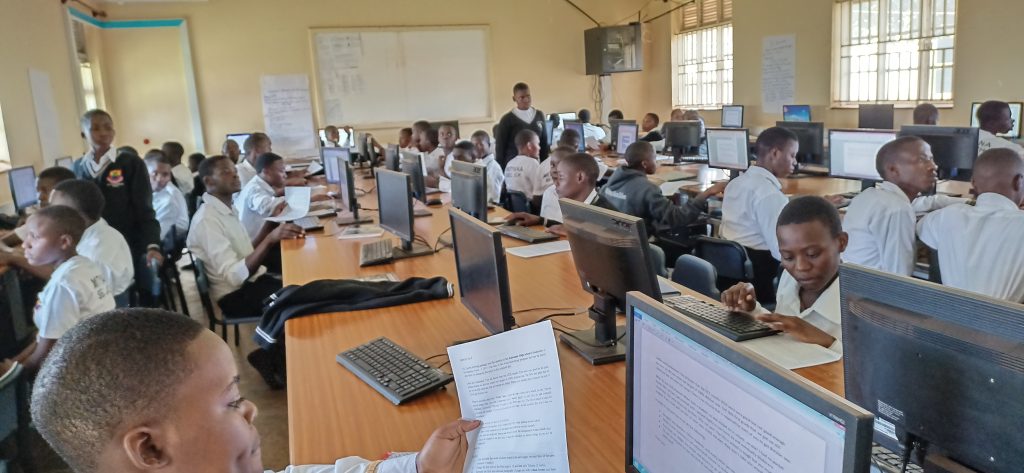
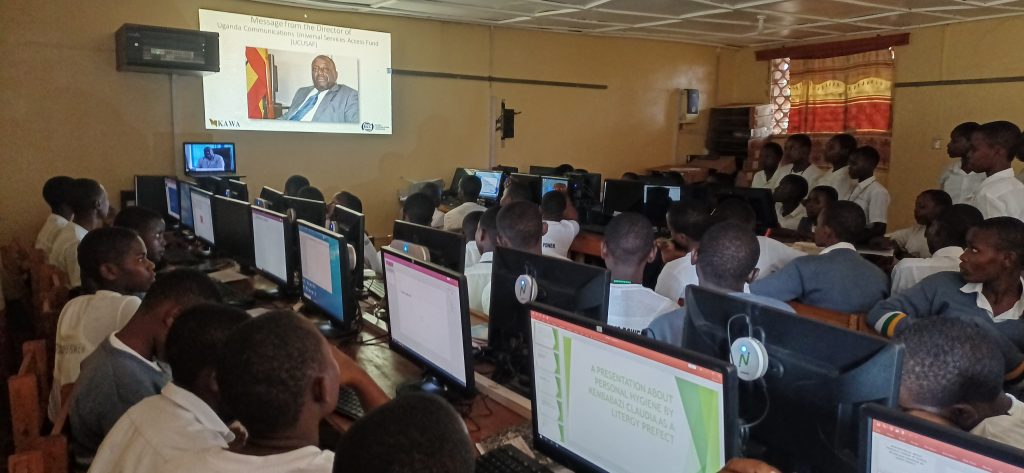
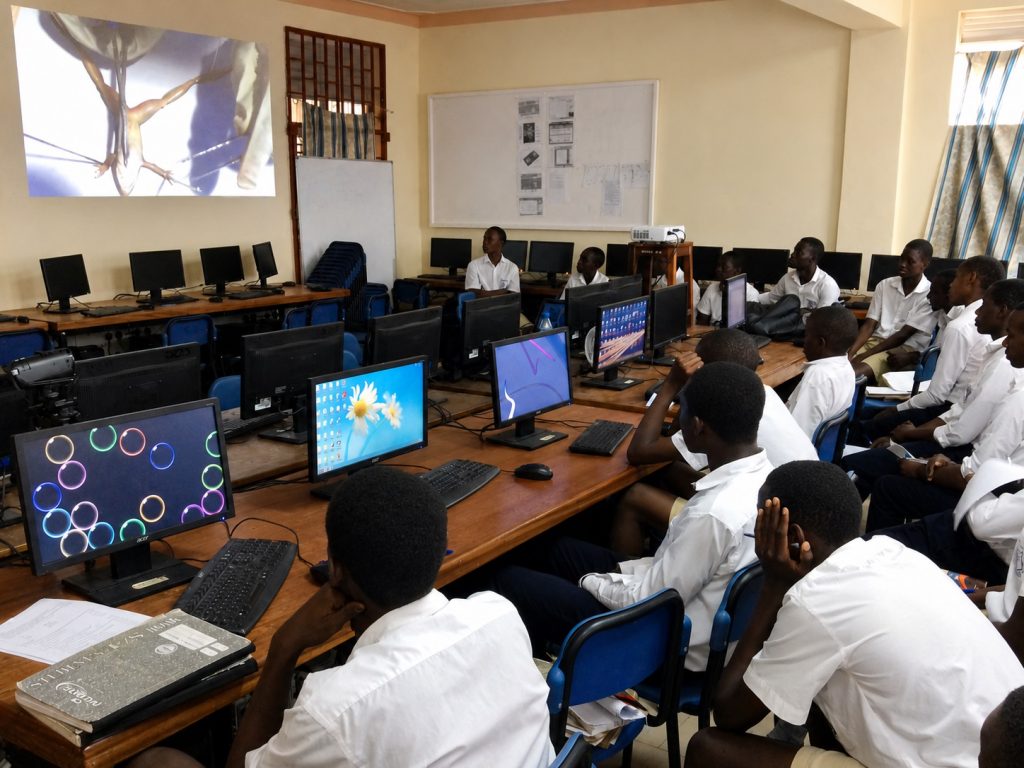
Learner participation is demonstrated when learners access notes, presentations, videos, diagrams, activities and revision resources during supervised learning.
School-system change is demonstrated when additional subjects use the laboratory, digital resources are organised centrally and school leadership monitors usage.
Our KAWA Connect indicators include schools activated, teachers oriented, subjects available, learner-access sessions, resources used, updates provided and support cases addressed.
The impact of KAWA Connect lies in helping schools increase the educational value of existing computers while reducing dependence on continuous public internet access.
ICT Clubs Uganda Impact
Developing Skills, Leadership and Learner Innovation

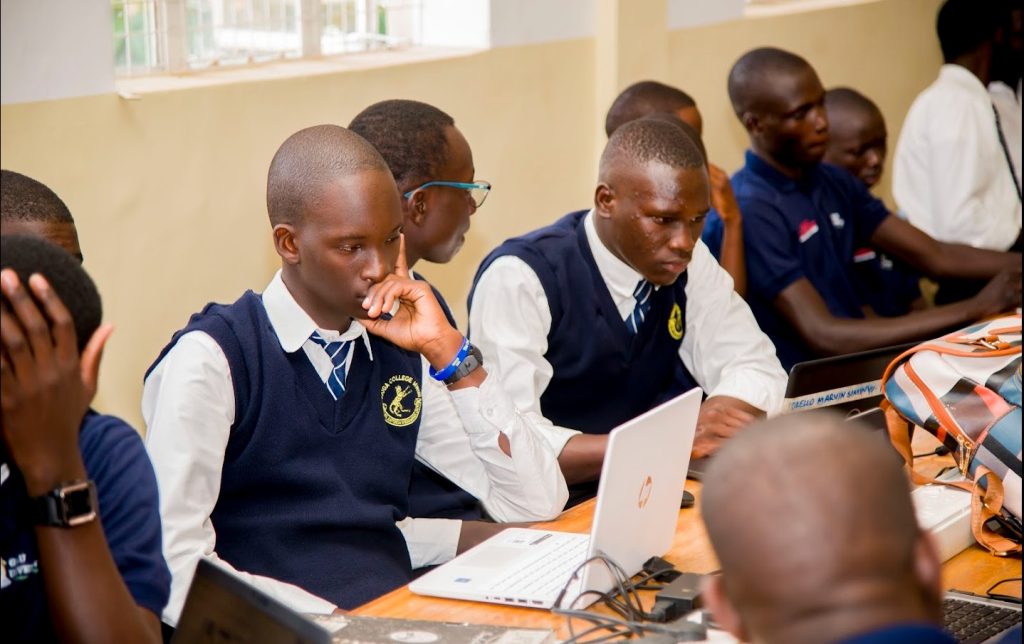
ICT Club access gives learners structured opportunities to practise digital skills beyond ordinary classroom lessons.
Learner leadership is demonstrated through chairpersons, secretaries, project coordinators, media officers, laboratory-sustainability officers and other defined roles.
Practical activity includes coding, web design, multimedia, digital content, online safety, research, peer training and project development.
Computer laboratory responsibility is demonstrated when learners promote safe shutdown, cleanliness, responsible use and early fault reporting under proper supervision.
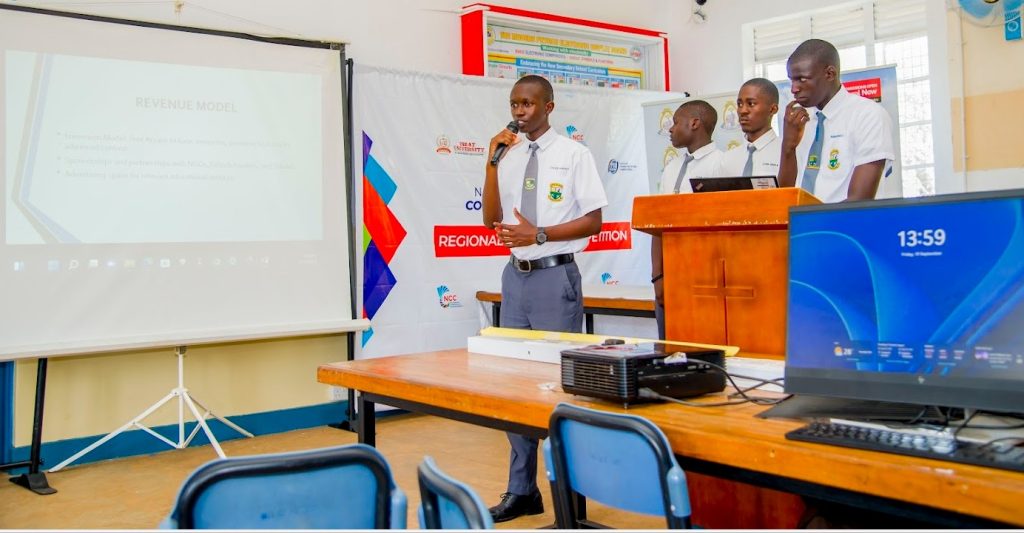
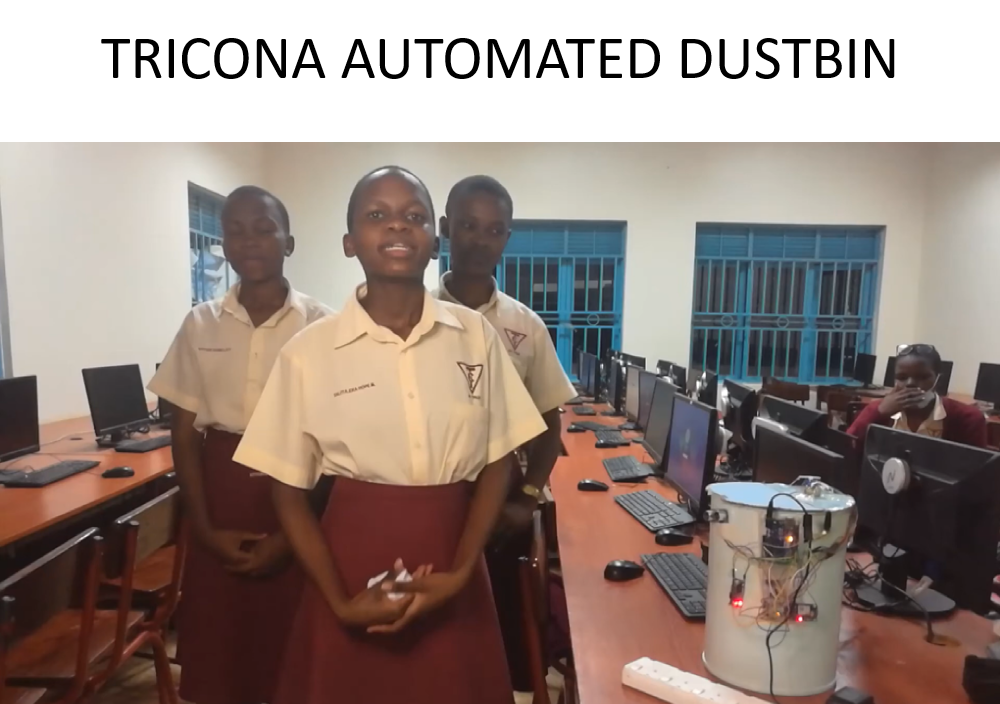
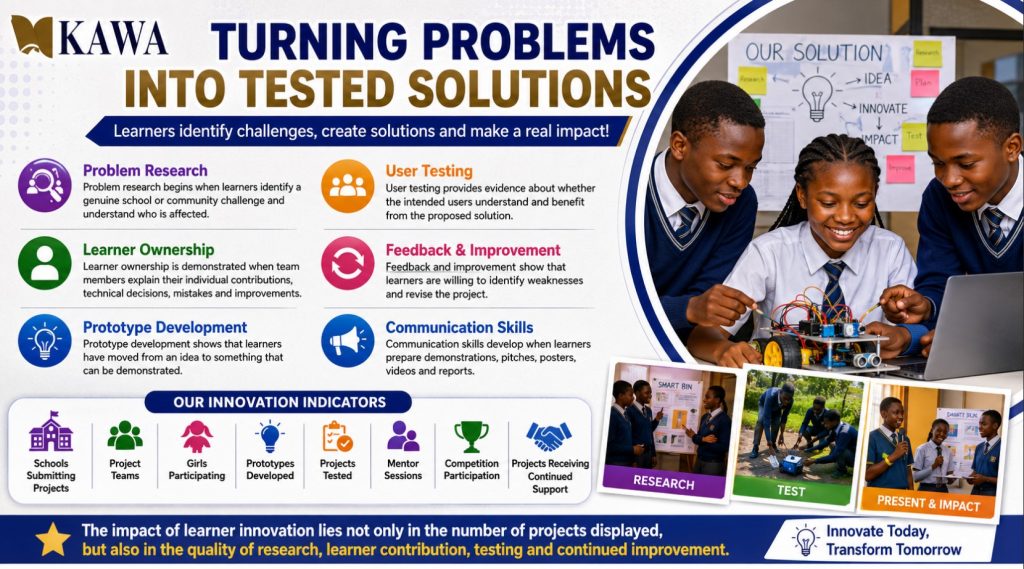
Project development is demonstrated when teams identify a problem, conduct research, design a response, build a prototype, test it and document improvements.
Our ICT Club indicators include clubs supported, clubs followed up, active members, girls and boys participating, patrons trained, meetings held, projects developed, peer-learning sessions conducted and laboratory-support activities completed.
The impact of ICT Clubs lies in helping learners become creators, leaders, collaborators and responsible users of technology.
Teacher Professional Development Impact
From Training to Classroom Practice
Training participation shows that teachers accessed a professional-development opportunity.
Practical output shows that teachers prepared lesson plans, presentations, assessments, digital resources, action plans or demonstrations.
Classroom application shows that teachers used the resource or method with learners.
Professional reflection helps teachers identify what worked, what remained difficult and what they intend to improve.
Peer learning is demonstrated when trained teachers support colleagues through departmental sessions, demonstrations or resource sharing.
Our teacher-development indicators include teachers trained, teachers completing programmes, schools and subjects represented, resources created, action plans prepared, classroom applications documented and peer-training sessions conducted.
The impact of teacher development lies in helping educators move from awareness of technology to confident, practical and responsible classroom use.
Computer Laboratory Sustainability Impact
Protecting and Activating School Technology
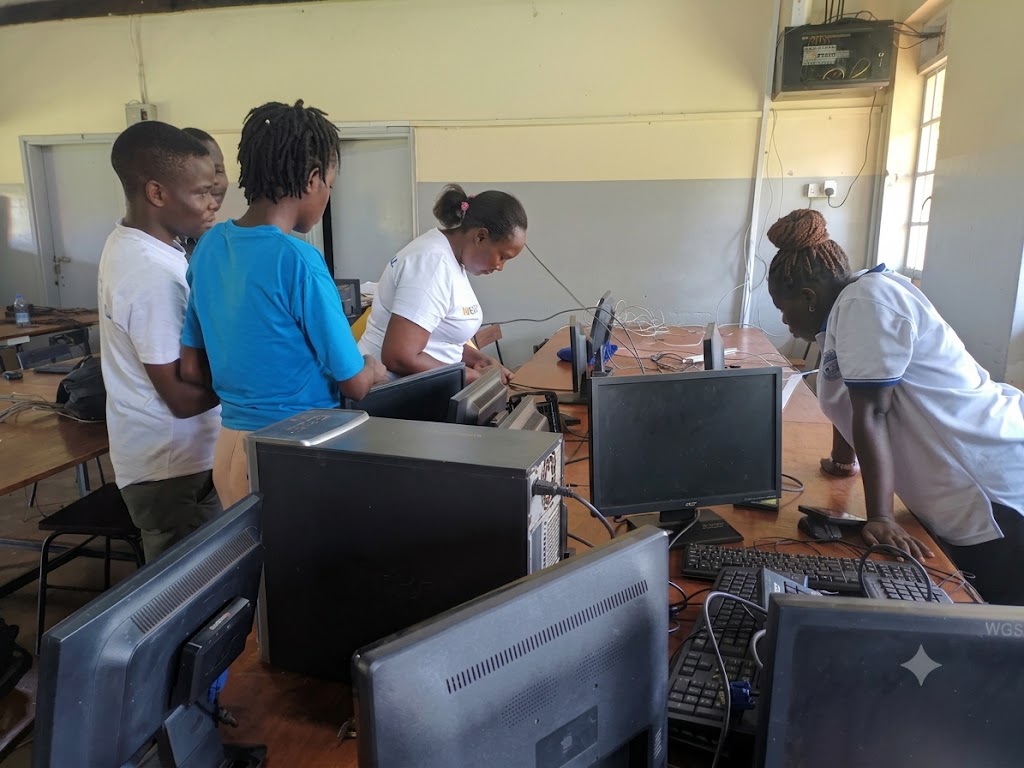
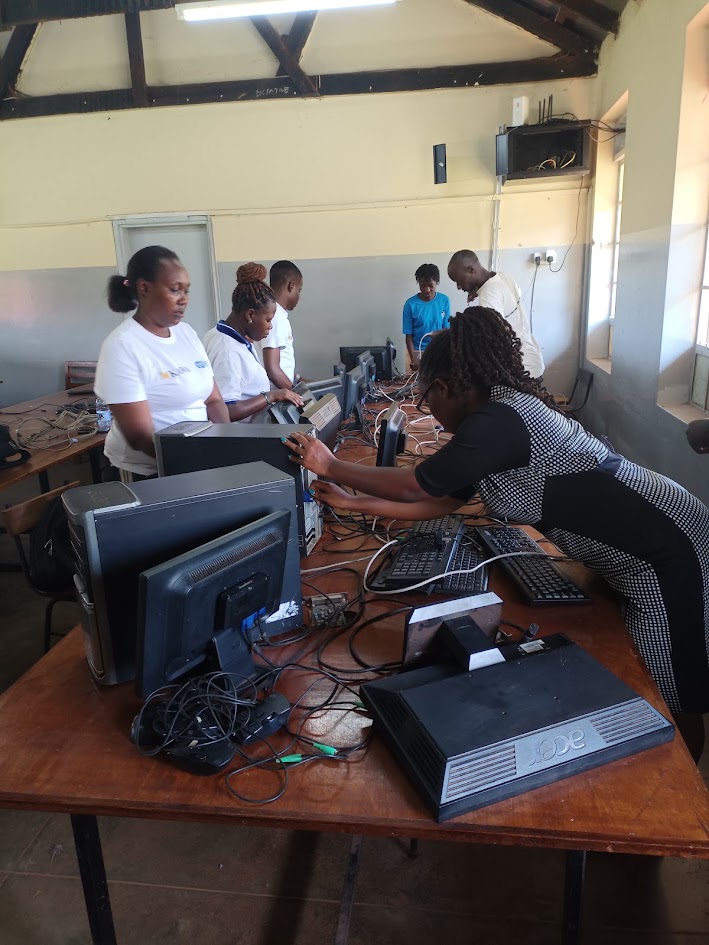
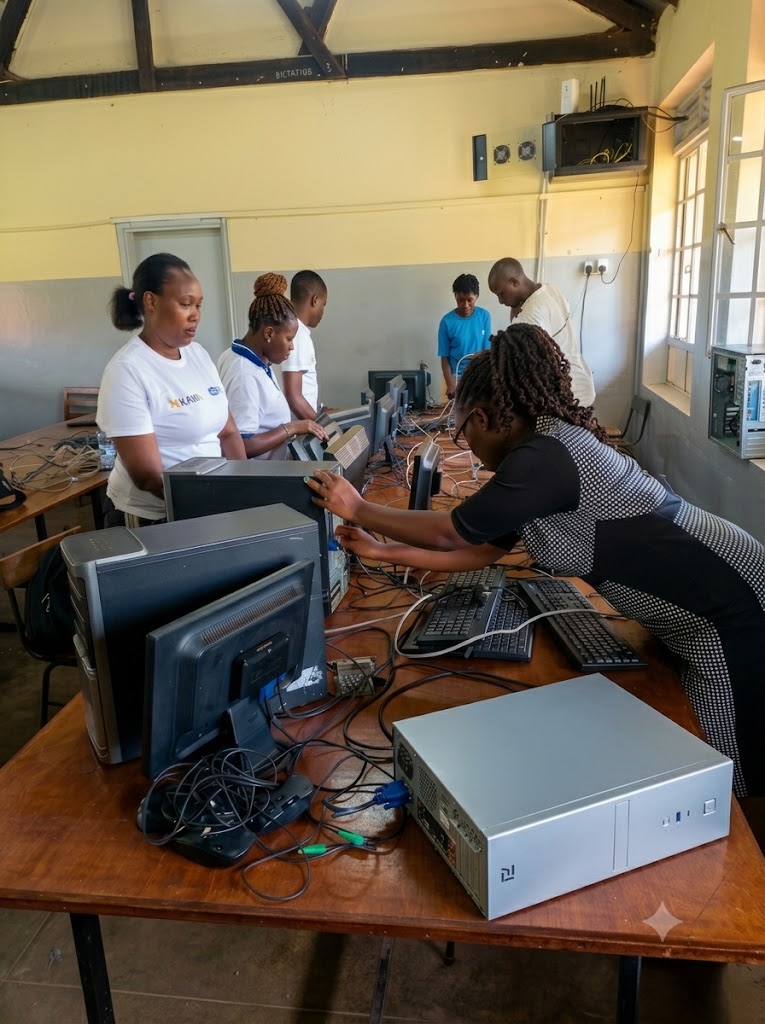
Leadership responsibility is strengthened when schools assign authorised people to manage access, records, faults, maintenance and educational use.
Accurate records are demonstrated through inventories, workstation numbers, equipment-movement forms and repair histories.
Fault reporting is improved when problems are recorded and tracked rather than communicated only verbally.
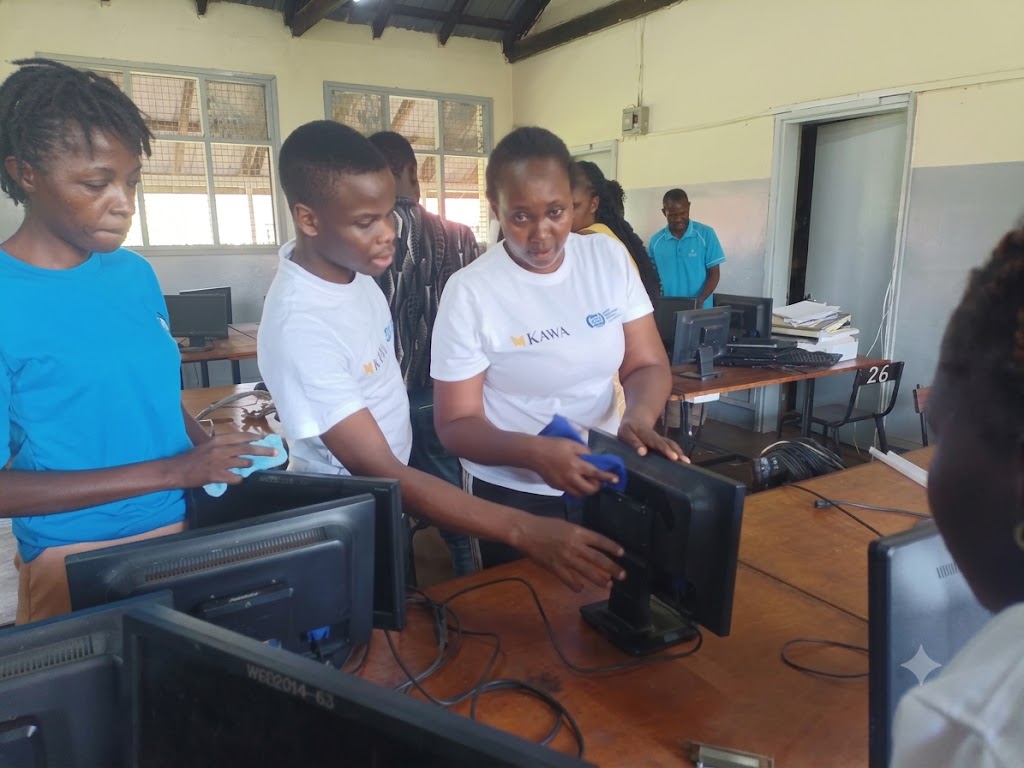
Preventive maintenance is strengthened through daily, weekly, monthly and termly checks.
Responsible use improves when teachers and learners understand laboratory rules, passwords, safe shutdown and equipment care.
Educational use expands when the laboratory supports several subjects, teacher preparation, KAWA Connect, ICT Clubs and learner innovation.
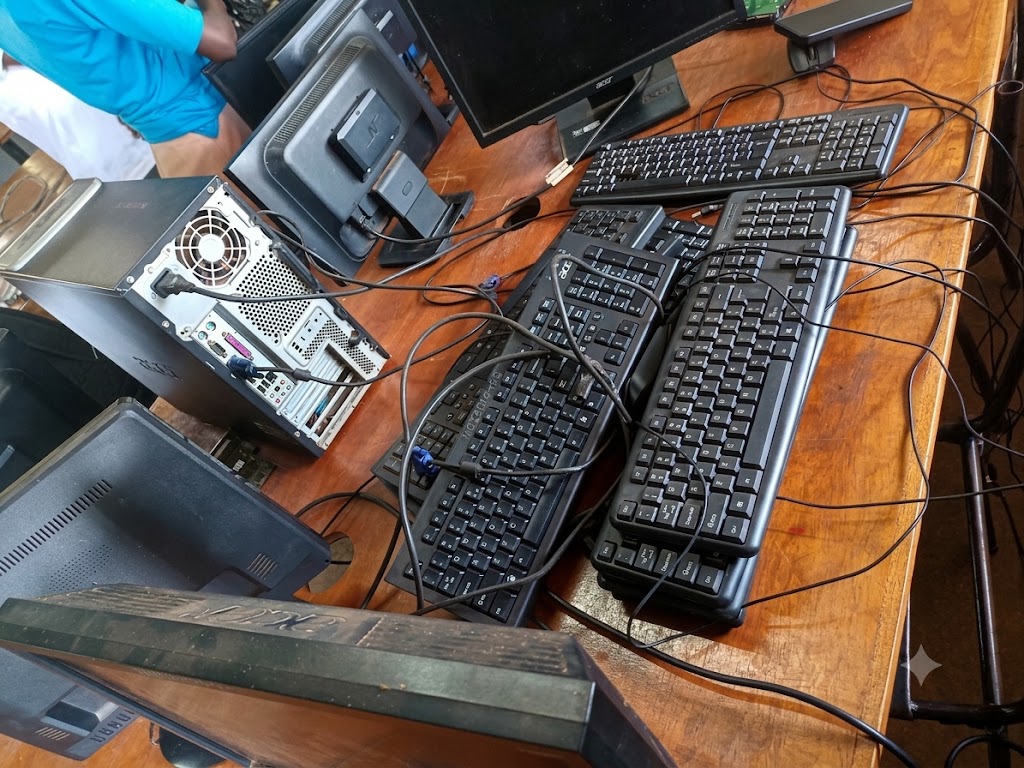
Our laboratory indicators include laboratories assessed, computers recorded, staff trained, inventories introduced, fault registers established, preventive checks conducted, unresolved faults identified and workstations returned to use.
The impact of laboratory sustainability lies in protecting school technology investment and ensuring that equipment remains available for learning.
Learner Innovation Impact

School Leadership Impact

Strengthening Digital Planning and Ownership
Leadership engagement begins when headteachers and administrators understand the educational purpose of technology programmes.
Digital planning connects infrastructure, teacher development, content, ICT Clubs, safety, budgets and monitoring.
Clear responsibility ensures that specific people oversee the laboratory, KAWA Connect, ICT Clubs, data protection and programme reporting.
Budgeting helps schools plan for connectivity, content, maintenance, repairs, training, security and equipment replacement.
Management review allows leaders to examine what is being used, what is not working and what should be prioritised.
Our leadership indicators include leaders trained, schools assessed, digital committees established, action plans prepared, budgets reviewed, policies introduced and management meetings conducted.
The impact of school leadership lies in creating the local ownership that allows digital programmes to continue beyond external funding or changes in staff.
Online Safety and Digital Citizenship Impact
Supporting Responsible Technology Use
Learner awareness includes privacy, passwords, cyberbullying, scams, misinformation, digital footprints and responsible artificial-intelligence use.
Teacher preparation includes supervision, protection of learner information, responsible communication and appropriate incident response.
Parent participation helps families discuss technology use, online risks, digital wellbeing and trusted reporting.
School systems include acceptable-use agreements, online-safety policies, authorised account management and confidential reporting procedures.
Our digital-citizenship indicators include learners reached, teachers and patrons trained, parents participating, policies developed, awareness campaigns conducted and reporting channels established.
The impact of online-safety education lies in helping school communities use technology confidently without ignoring privacy, ethics, responsibility and learner protection.
Reaching Schools Across Uganda

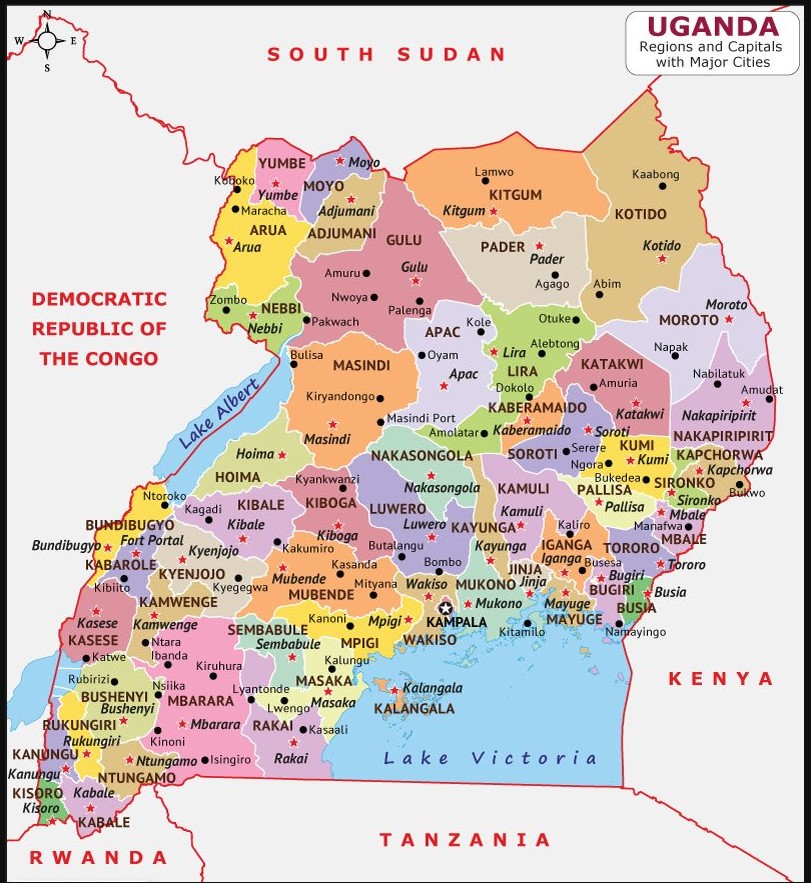
Our geographic reach extends across Uganda through school programmes, regional workshops, online learning, ICT Clubs, teacher development, KAWA Connect, competitions and field follow-up.
Our regional reporting covers Central, Eastern, Northern and Western Uganda, together with West Nile, Karamoja and other areas represented in programme records.
Our district profiles explain the schools reached, programmes delivered, teachers participating, learners involved, success stories and the latest year of implementation.
Our public school directory presents approved information about participating institutions without publishing private patron contacts, learner names or confidential assessment findings.
Our geographic evidence helps government institutions, partners and communities understand where support has reached and where further investment is required.
Inclusion and Equity: Who Is Reached Matters as Much as How Many Are Reached

Regional inclusion means ensuring that opportunities are not limited to Kampala or other major towns.
Rural-school participation is strengthened through offline resources, local networks, regional training and practical use of existing equipment.
Girls’ participation is monitored not only through attendance, but also through technical roles, leadership, project development and presentation.
Disability inclusion is supported through accessible resources, assistive technology, adapted activities and meaningful participation where possible.
Teacher inclusion recognises that educators begin from different levels of digital confidence and require respectful, differentiated support.
School-resource inclusion means that programmes consider institutions with different budgets, electricity, connectivity and equipment levels.
KAWA is committed to expanding digital opportunity without deepening existing inequalities.
Girls in Digital Learning

Girls as technical contributors should be visible in coding, interface design, project research, testing, documentation and technical demonstrations.
Girls as leaders should have meaningful opportunities to serve as club chairpersons, project leaders, peer trainers, media coordinators and presenters.
Female teachers and patrons contribute to role modelling, learner protection, professional mentorship and inclusive participation.
Participation barriers should be identified through school feedback, attendance, leadership records and learner experiences.
Our goal is not to place girls in photographs while boys complete the technical work. Our goal is meaningful and visible participation.
Learners With Disabilities
Accessible content may include readable text, audio, captions, clear navigation and appropriately designed learning materials.
Assistive technology may help learners participate in digital learning, communication and project development.
Inclusive project teams allow learners to contribute through research, design, testing, documentation, coding, presentation and other roles.
Responsible reporting protects disability and health information from unnecessary public disclosure.
KAWA communicates inclusion with dignity and only publishes personal information with appropriate permission and a clear educational purpose.
Impact Through Partnerships

Working Together for Greater Educational Value
Government partnerships may support policy alignment, public-school mobilisation, digital inclusion and national education priorities.
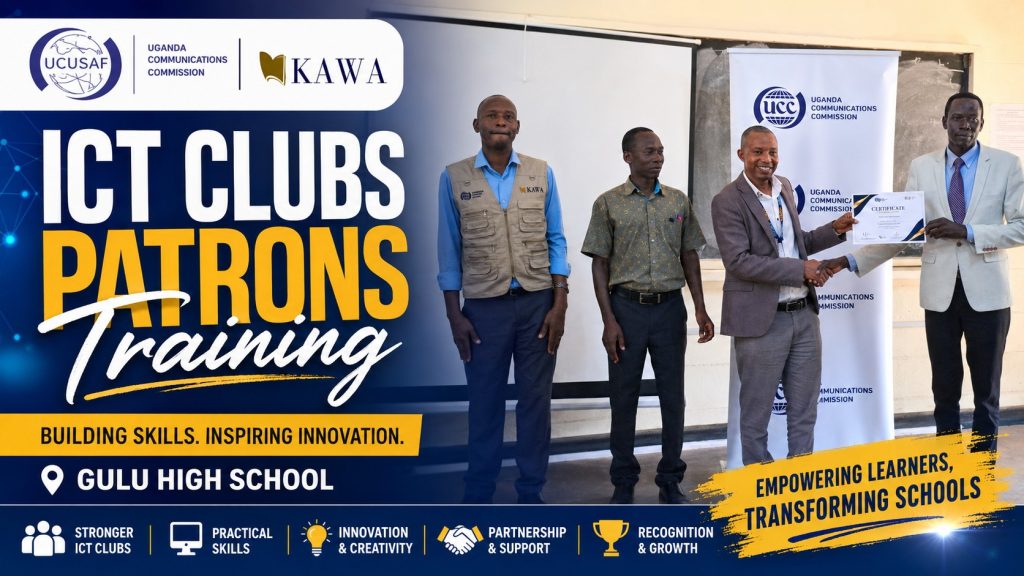
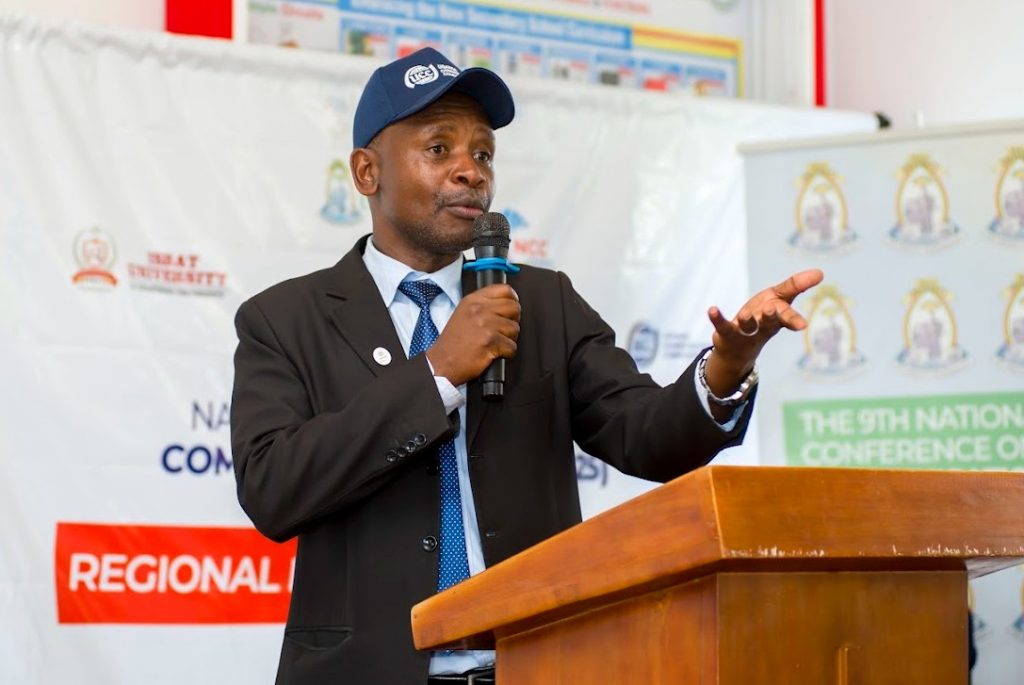
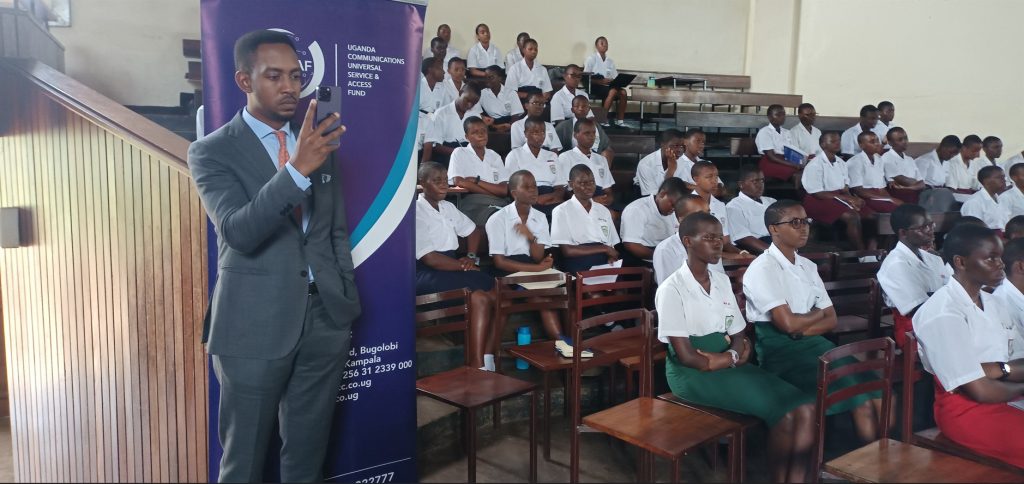
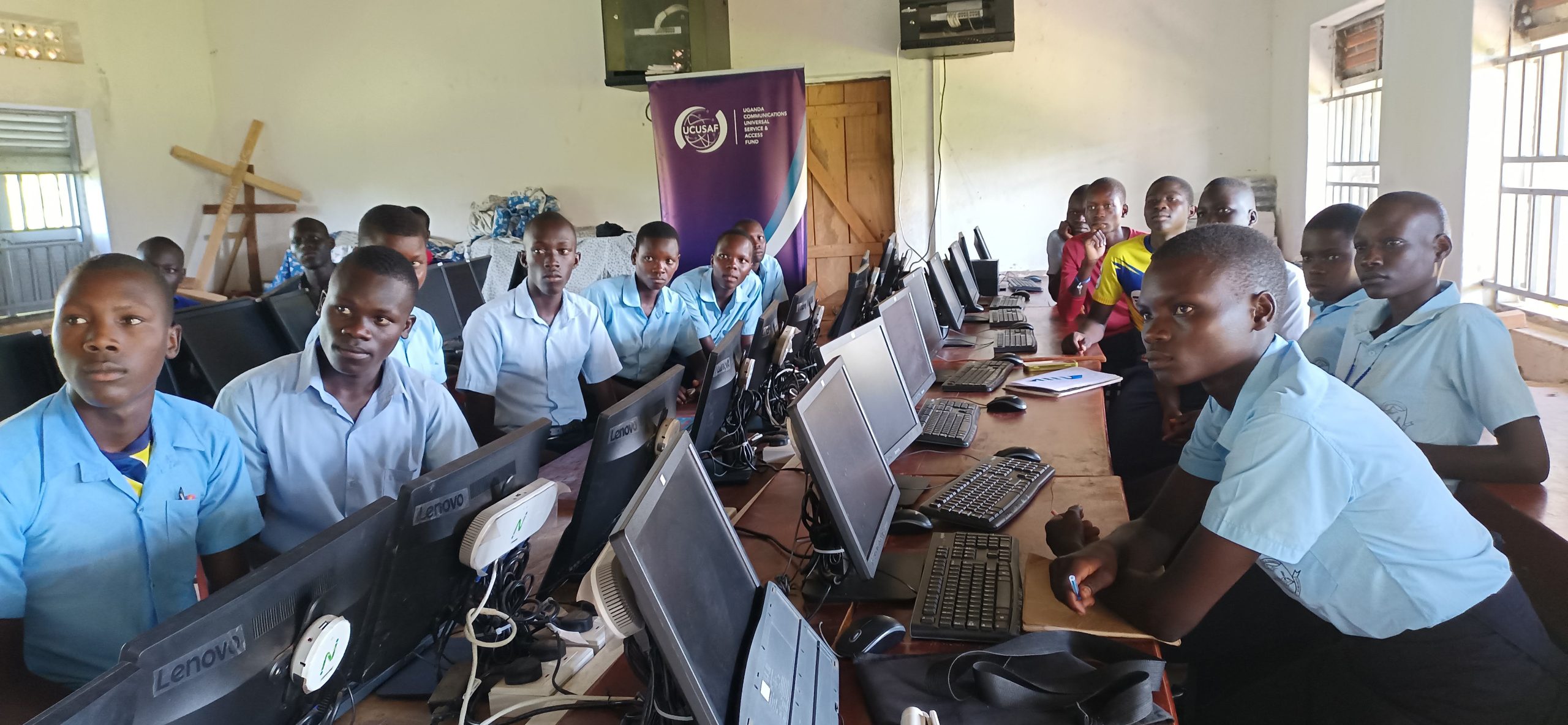
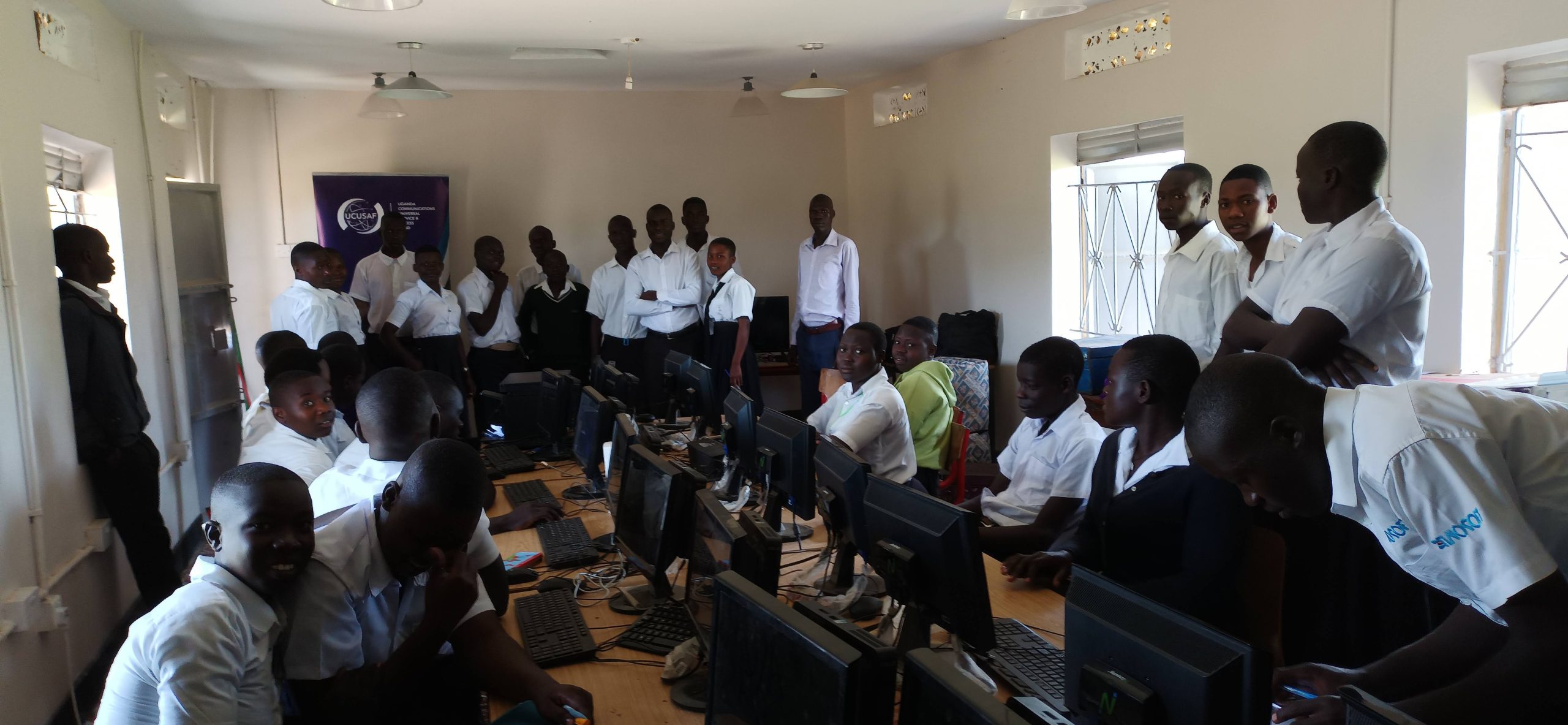
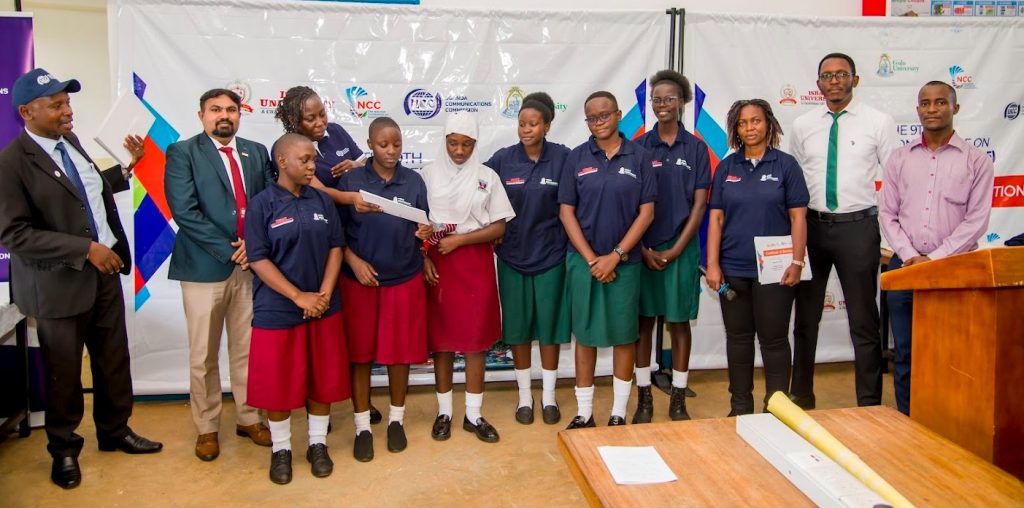
UCC and UCUSAF-supported activities have strengthened selected ICT Club programmes, patron development, learner participation and school-level follow-up.
Education authorities contribute school mobilisation, oversight, curriculum guidance and local coordination.
Universities and innovation hubs contribute mentors, technical expertise, research, facilities, exhibitions and learner exposure.
Development organisations and companies may contribute funding, equipment, connectivity, technical support, teacher development and programme expansion.
School networks contribute implementation, records, local leadership and continued programme ownership.
Every partnership is communicated according to its actual programme, period, responsibilities and verified results. We do not present every KAWA activity as funded by one institution.
Outcomes for Our Stakeholders
School outcomes include improved use of technology, stronger digital planning, organised educational content, active ICT Clubs, clearer maintenance systems and stronger management responsibility.
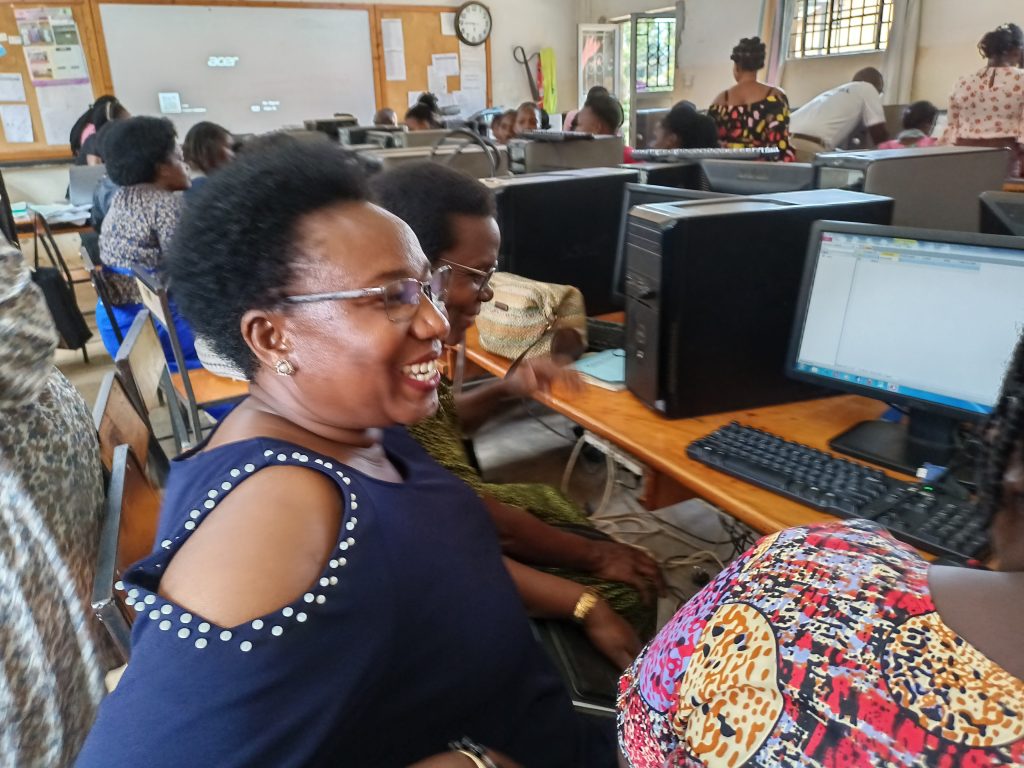
Teacher outcomes include increased confidence, practical digital skills, reusable educational resources, classroom application, peer collaboration and mentorship ability.
Learner outcomes include digital competence, leadership, teamwork, research, project development, responsible technology use, public speaking and career awareness.
Parent outcomes include stronger understanding of educational technology, online safety, learner projects and responsible support at home.
Institutional outcomes include stronger implementation evidence, better protection of public technology investment, local innovation, programme visibility and practical models for wider application.
Real Schools, Real Action and Visible Evidence
Our school success stories focus on what schools implemented after KAWA support.
KAWA Connect stories show teachers and learners using digital content in real lessons.
Patron stories show teachers applying workshop action plans and strengthening ICT Club systems.
ICT Club stories show learner leadership, meetings, records, practical skills and projects.
Laboratory stories show improvements in equipment records, maintenance routines, user responsibility and educational access.
Teacher stories show classroom application, educational resources and peer mentoring.
Learner innovation stories show problems researched, prototypes developed, users engaged and improvements made.
Leadership stories show management decisions, budgets, policies and sustainability plans.
From Patron Training to an Active ICT Club
The challenge was that the school’s ICT Club existed in name, but meetings were irregular and learners had few structured activities.
KAWA’s support involved a practical patron workshop covering club leadership, learner participation, computer laboratory sustainability and action planning.
The school’s action began when the patron presented the action plan to the headteacher. The school approved a meeting schedule, reorganised learner leadership, introduced attendance and minutes and guided the first project team.
The evidence included the meeting calendar, active membership register, learner leadership list, project notebook, laboratory checklist and verified club meetings.
The human outcome was that learners reported greater confidence, clearer team roles and stronger responsibility for laboratory use.
The remaining challenge was limited time for project testing and insufficient involvement from teachers in other subjects.
The next step was to involve younger learners, invite additional teacher mentors and conduct a school project exhibition.
This is the type of school-level evidence that turns a training event into a credible impact story.
Impact Videos: Seeing Change Through the Actions and Voices of Schools
Our impact videos document patron follow-up, KAWA Connect use, learner innovation, laboratory sustainability, teacher application, school leadership, partnerships, competitions and alumni experiences.
Our visual standard is that videos must show more than speeches, ceremonies and interviews. They should show lessons, club meetings, registers, project demonstrations, laboratory routines, teacher resources and school action.
Our video cards identify the school, district, programme, publication date, duration and main documented result.
Our privacy standard requires the protection of passwords, examination information, personal contacts, medical information and confidential school data visible in documents or screens.
Our storytelling structure follows the sequence of challenge, intervention, school action, evidence, human experience, remaining challenge and next step.
Reports and Publications
Our annual impact reports present programme reach, school-level outcomes, partnerships, inclusion, challenges, learning and future priorities.
Our programme reports document implementation in areas such as KAWA Connect, ICT Clubs, teacher development, learner innovation and computer laboratory sustainability.
Our workshop reports record participants, content delivered, outputs and immediate action plans.
Our school follow-up reports examine what was applied after the initial activity.
Our competition reports document schools, projects, criteria, results, lessons and continued project development.
Our district summaries provide localised programme evidence.
Our policy briefs and learning papers communicate lessons that may support wider educational planning.
Public reports are separated from partner-restricted and confidential reports. We do not place sensitive learner or school information in unrestricted public documents.
Share Your School’s Success Story
A strong school submission explains the original challenge, KAWA or partner support, school action, evidence, participant experience, remaining challenge and next step.
Supporting evidence may include registers, action plans, lesson records, project notebooks, laboratory logs, photographs, videos and approved quotations.
Every submitted story is reviewed, verified and edited before publication.
Help Us Expand Evidence-Based Digital Education
KAWA welcomes schools ready to strengthen digital learning, educators willing to share implementation evidence and partners committed to practical and sustainable educational impact.
Our Impact Statement
KAWA’s impact is demonstrated by the practical actions schools take, the skills teachers and learners apply, the systems that continue and the evidence showing how digital education is creating wider opportunity.