
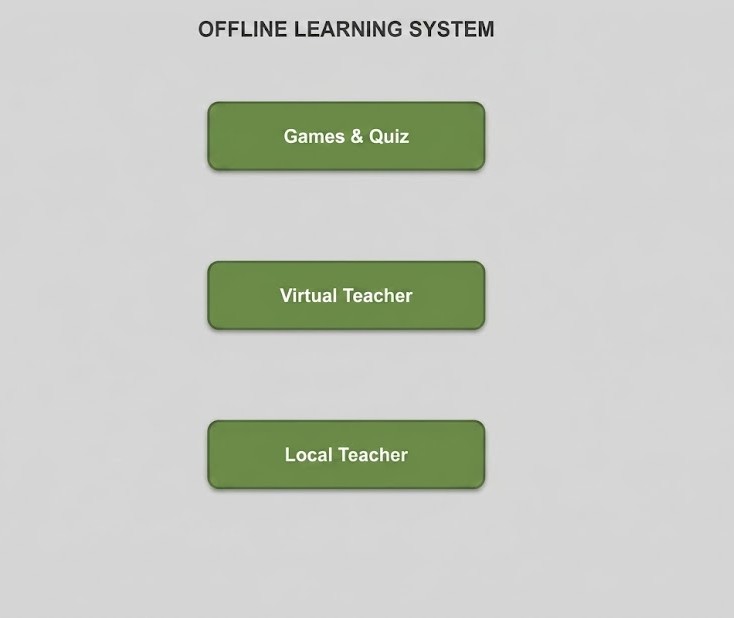
Students of Chegere Secondary School have developed an innovative offline learning platform designed to help learners access educational resources, conduct research and improve their understanding of difficult concepts without depending on an internet connection.
The project, known as the CSS Offline Learning Portal, was developed for the 2026 Secondary Schools’ ICT Club Competition. The student innovation team includes Engole Darius, Ekit Irene, Akello Evene and Ojuka Rigan.
Addressing the Digital Learning Challenge
Although digital learning is becoming increasingly important in Uganda, many schools—particularly those in rural and underserved communities—continue to experience unreliable internet connectivity, high data costs and limited access to online educational resources.

These challenges make it difficult for learners to conduct research and benefit fully from modern digital learning platforms. Some learners also struggle to understand complex educational terms presented only in English, which may encourage memorisation instead of meaningful understanding.
The Chegere Secondary School students recognised that learners needed a platform that could provide educational support even when the school had no internet connection.
An Offline Learning Solution
To address these challenges, the students developed a browser-based educational platform that combines:
- Offline Artificial Intelligence
- Educational games
- Digital quizzes
- English-language learning support
- Leb Lango language support
- Voice assistance
- Optical Character Recognition
The platform was developed using HTML, CSS and JavaScript and is designed to operate through a web browser without requiring continuous internet access.
This makes it suitable for schools with limited connectivity because educational materials and learning tools can be accessed through computers within the school laboratory.
Major Features of the CSS Offline Learning Portal
Offline English AI
The Offline English AI allows learners to ask questions and receive explanations without connecting to the internet. It can support students during research and help them understand concepts that may not have been fully explained in class.
Leb Lango AI
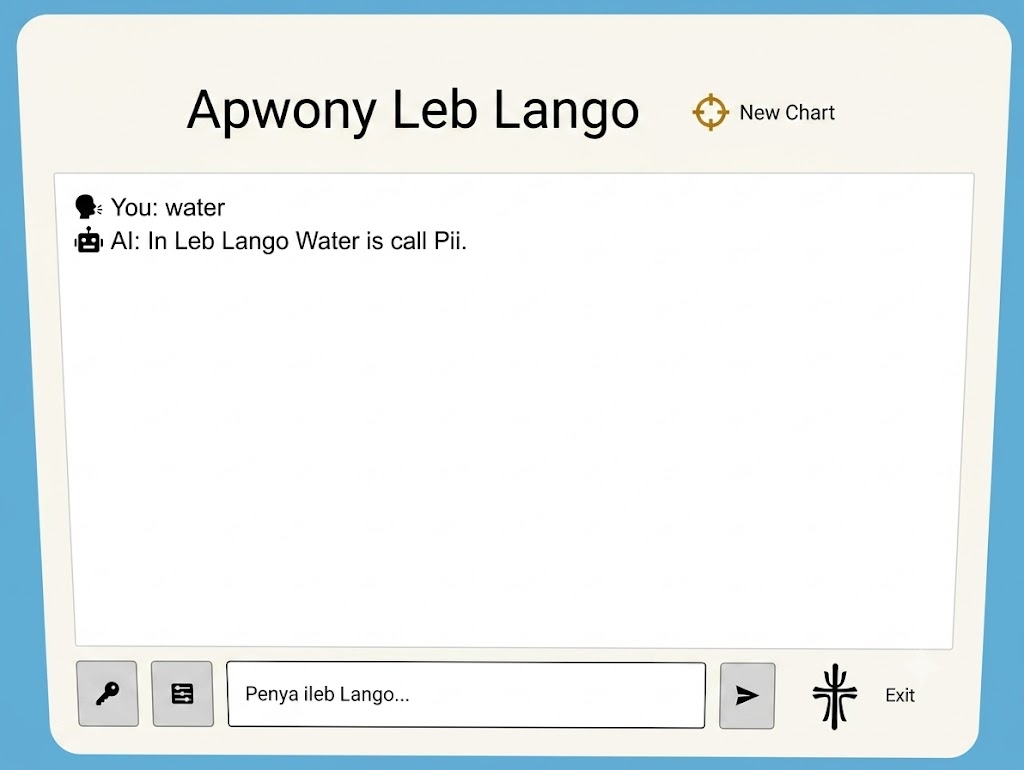
The platform includes an offline Leb Lango language component. It helps learners understand selected English words and educational concepts through explanations in the local language.
The feature is also intended to promote and preserve the Leb Lango language while making learning more accessible to students who understand certain concepts better in their mother tongue.
Offline Quizzes
The quiz module provides questions from different subjects and includes:
- Randomised questions
- Automatic marking
- Instant feedback
- Score display
- Multiple-subject support
This enables learners to assess themselves immediately and identify areas where they need further practice.

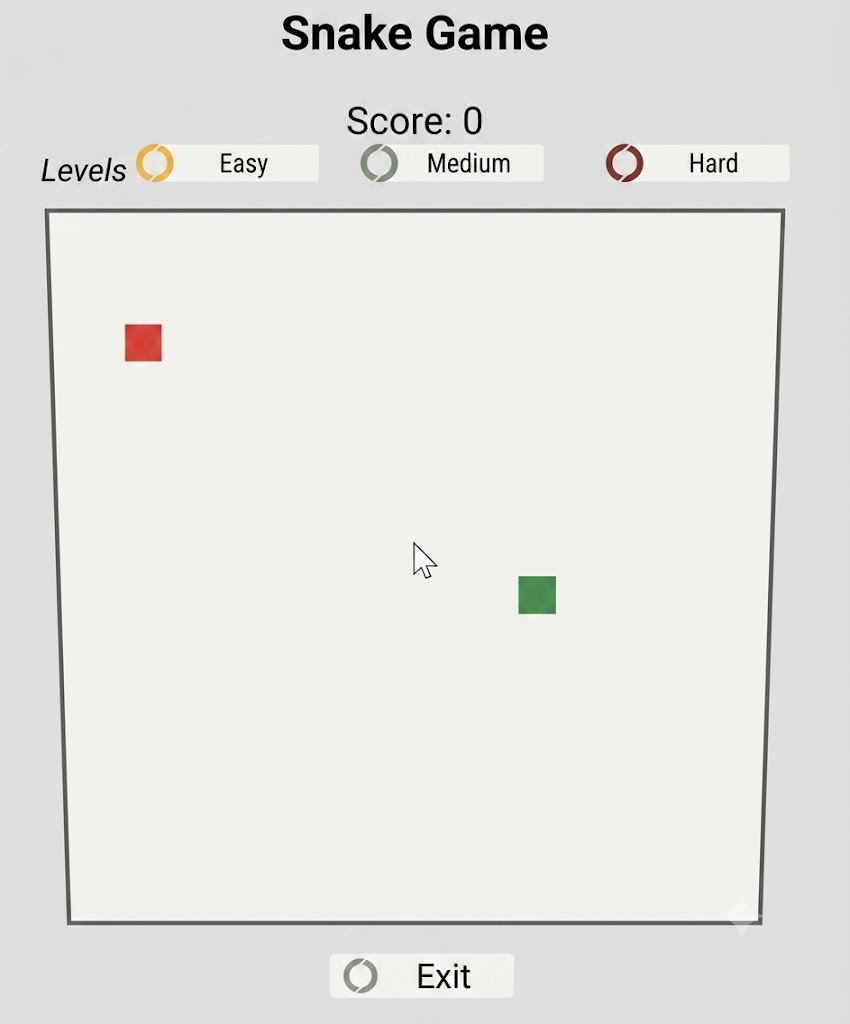
Educational Games
The portal contains interactive educational games designed to strengthen:
- Problem-solving skills
- Logical thinking
- Digital literacy
- Learner concentration
- Independent learning
The games can also provide meaningful learning activities during leisure time, particularly for students who may not be able to participate in some physical co-curricular activities.
Voice Assistant
The voice-assistant feature allows learners to speak to the system and listen to its responses. This can make the portal easier to use for learners who prefer spoken explanations or experience difficulties typing long questions.
Optical Character Recognition
The Optical Character Recognition module allows learners to capture written text using images. The system can then identify the text and make it available for further learning or explanation.
Expected Educational Impact
The CSS Offline Learning Portal has the potential to improve education in schools where internet connectivity remains unreliable or unaffordable.
The student developers expect the platform to contribute to:
- Improved learner engagement
- Increased motivation through educational games
- Better understanding of difficult concepts
- Greater independence in learning
- Immediate assessment and feedback
- Increased ICT literacy
- Access to research materials without internet
- Promotion and preservation of the Leb Lango language
- More inclusive learning opportunities
By bringing several educational tools together in one offline platform, the project demonstrates how students can use technology to solve real challenges within their schools and communities.
Challenges and Future Development
The development team explained that the local-language AI currently supports only Leb Lango because translating and organising a reliable language database remains challenging.
In the future, the students hope to expand the platform to support additional Ugandan languages. They also plan to develop an online version so that people from different locations can access the local-language learning tools and use them to learn Ugandan languages.
Further development could also expand the number of subjects, improve the AI knowledge database and introduce more educational games, quizzes and accessibility features.
Students Using Technology to Solve Community Problems
The CSS Offline Learning Portal demonstrates the important role that school ICT Clubs can play in developing creativity, teamwork, problem-solving and practical digital skills among young people.
Instead of viewing poor internet connectivity only as an obstacle, the Chegere Secondary School team transformed it into an opportunity to develop an offline solution that responds directly to the needs of learners.
The project shows that with appropriate mentorship, access to ICT equipment and continued support, students can develop practical innovations capable of improving teaching and learning in Uganda.




Leave a Reply
You must be logged in to post a comment.