
School Success Stories
School Success Stories
Real Schools. Practical Action. Visible Change.
Stories of Teachers, Patrons, Learners and School Leaders Applying KAWA-Supported Programmes
KAWA’s strongest evidence comes from schools that take action after training, installation, orientation, or programme launch.
These verified case studies show how school communities are overcoming constraints, establishing sustainable computer laboratory routines, developing learner-led innovations, and integrating digital tools into everyday pedagogy.
A Success Story Is More Than a Happy Testimony
We do not publish stories simply to show that KAWA visited a school. We publish them to show what the school did with the opportunity. Every case study follows a strict, evidence-based progression:
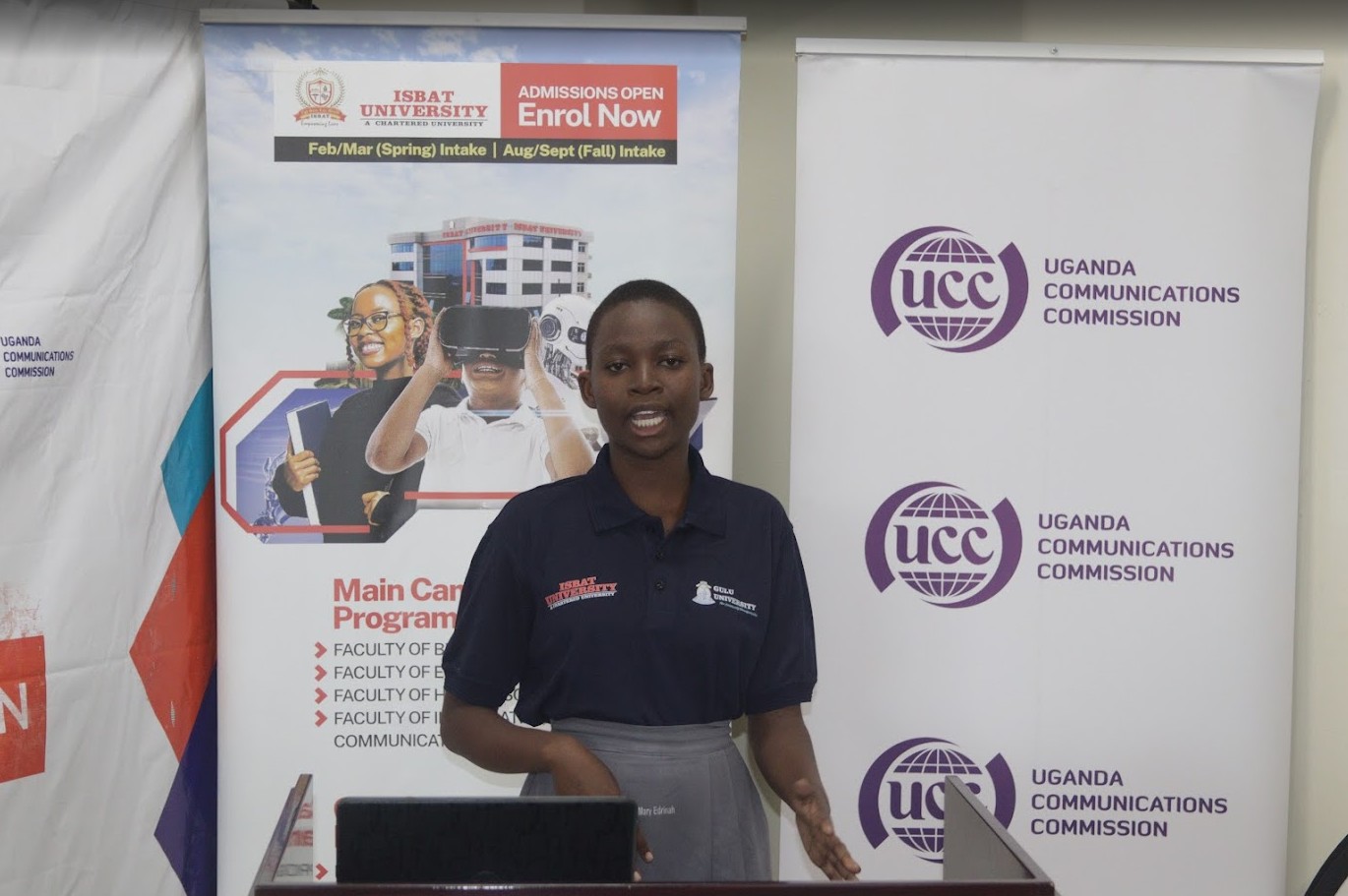
Gulu High School: Turning a Workshop Action Plan into Routine Action
How an ICT Club patron secured institutional backing and established weekly learner project clinics.
Explore School Case Studies Across Uganda
Filter by programme domain or search by school name and district.
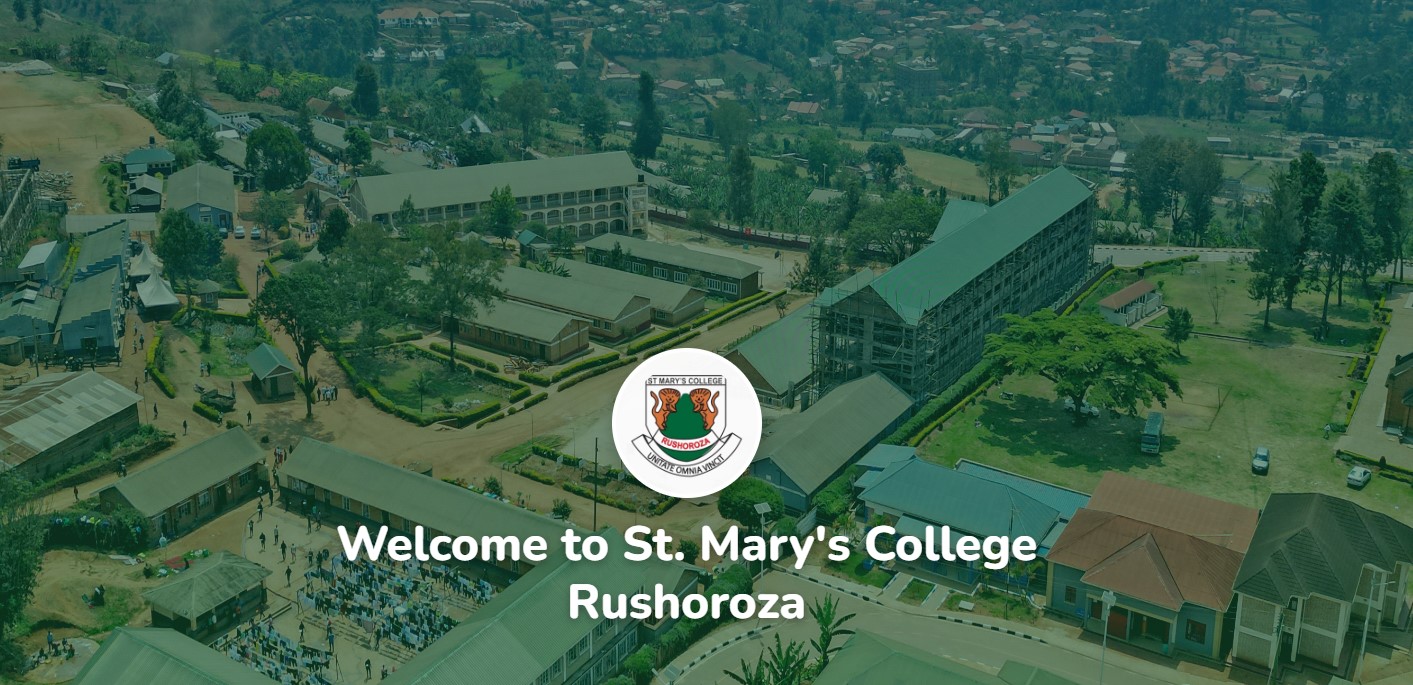
Workstation Numbering & 48-Hour Fault Logs
School: St. Mary’s College Rushoroza • District: Kabale
Introduced a student-managed workstation fault registry that reduced unresolved computer downtime from months to under 48 hours.
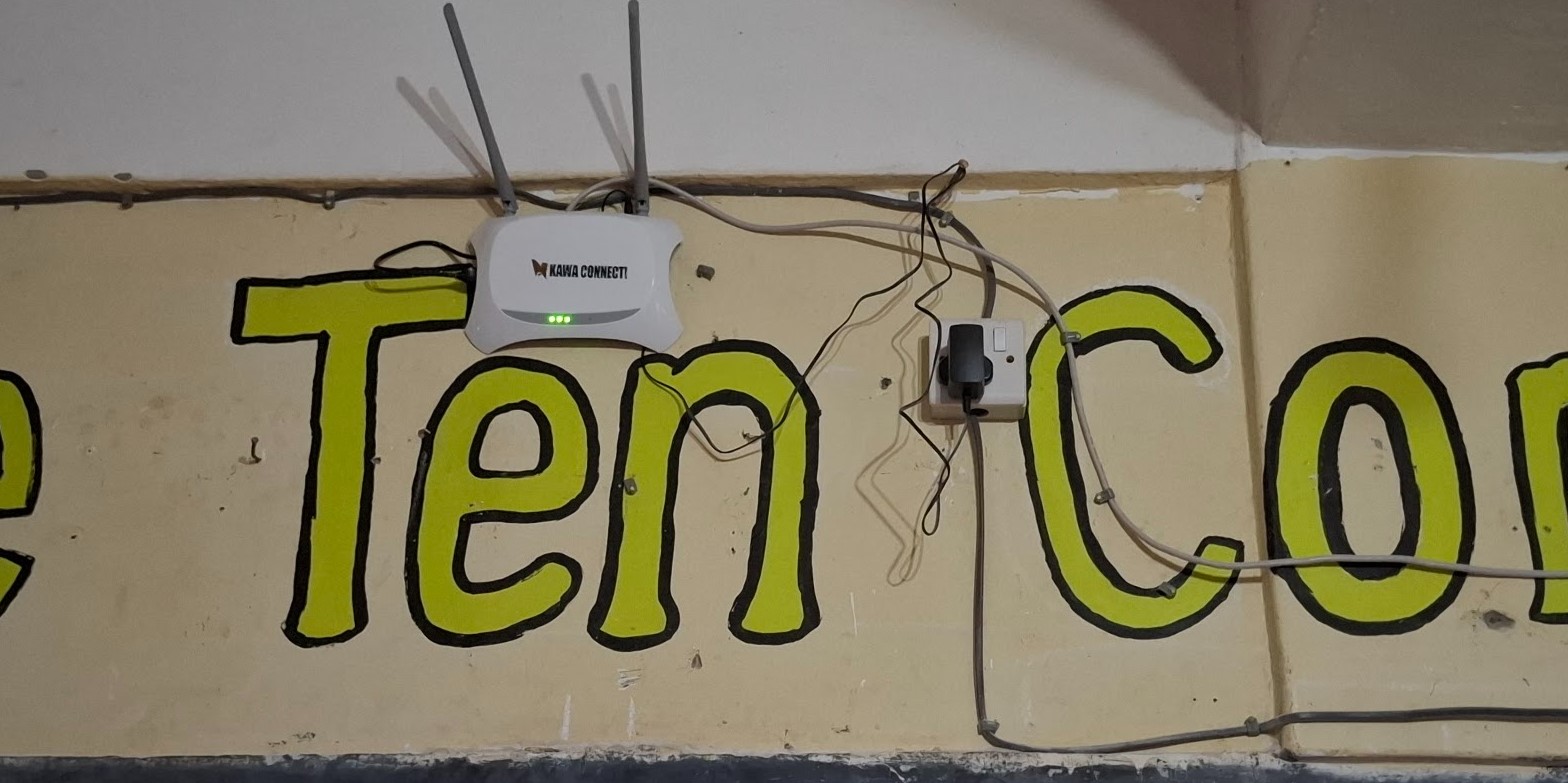
Science Practicals Without Internet Costs
School: Busoga High School • District: Kamuli
12 Subject teachers integrated offline virtual science simulations and syllabus textbooks, logging over 900 weekly student hits.
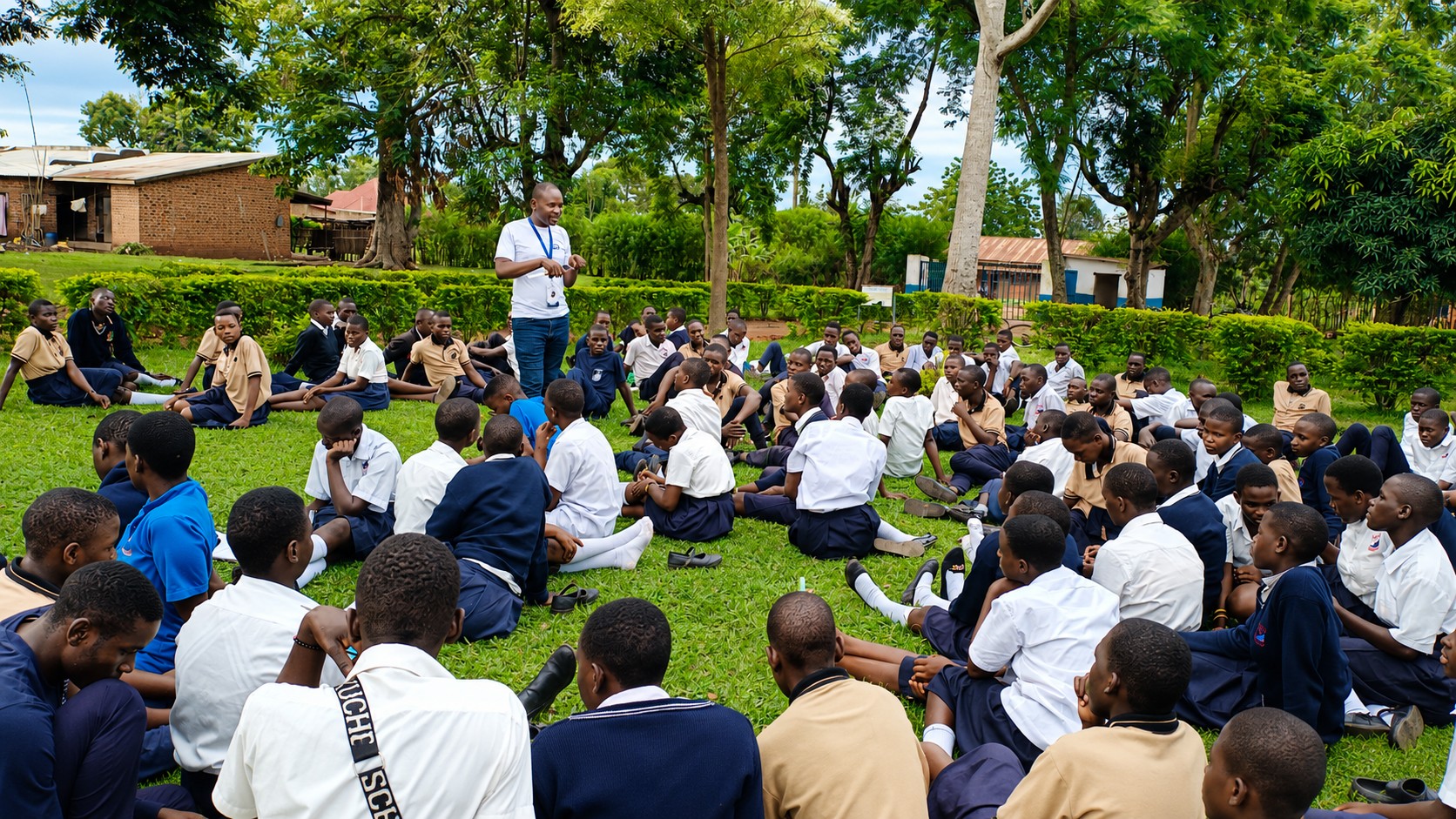
Student Lab-Care Squads Prevent Hardware Breakdown
School: St. Mark Secondary School • District: Mukono
Re-imaged 14 non-functional desktop machines and established weekly student cleaning shifts, expanding lab use to 38 hours weekly.
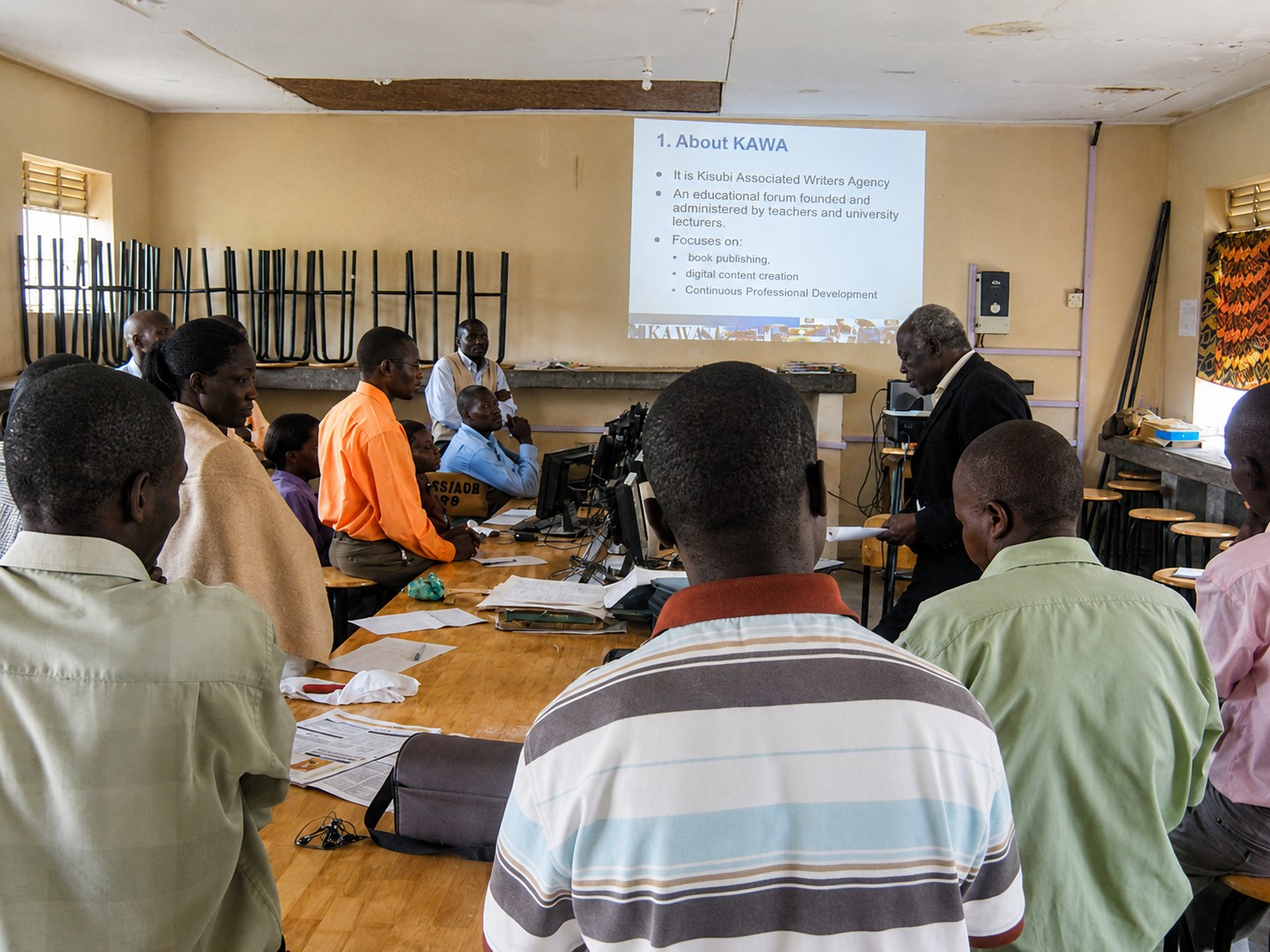
From Slide Demonstrations to Student Inquiry
School: Jinja College • District: Jinja City
Arts and humanities teachers formed a departmental digital peer circle, demonstrating interactive geography maps to over 350 learners.
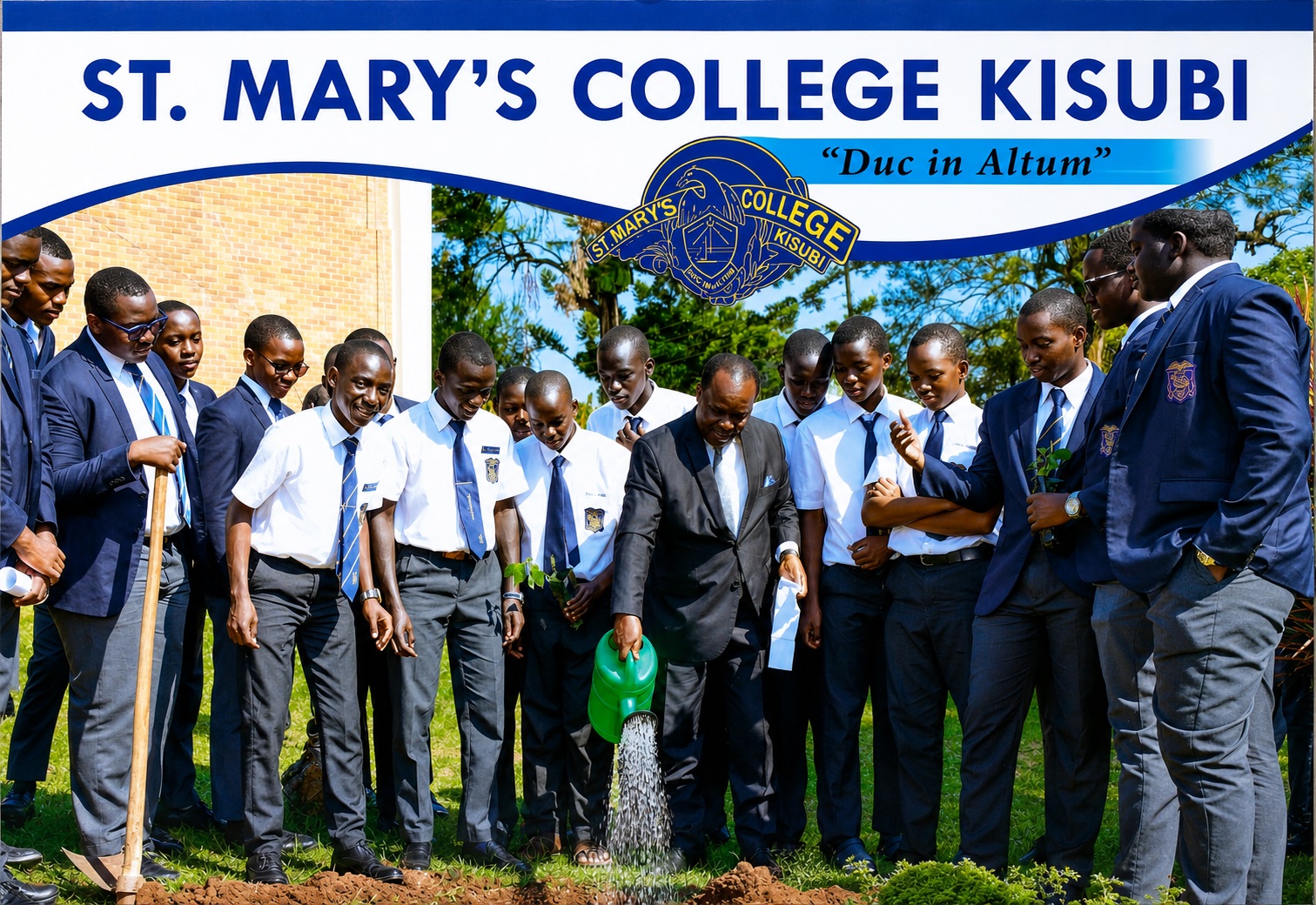
Offline School Noticeboard & Digital Archive
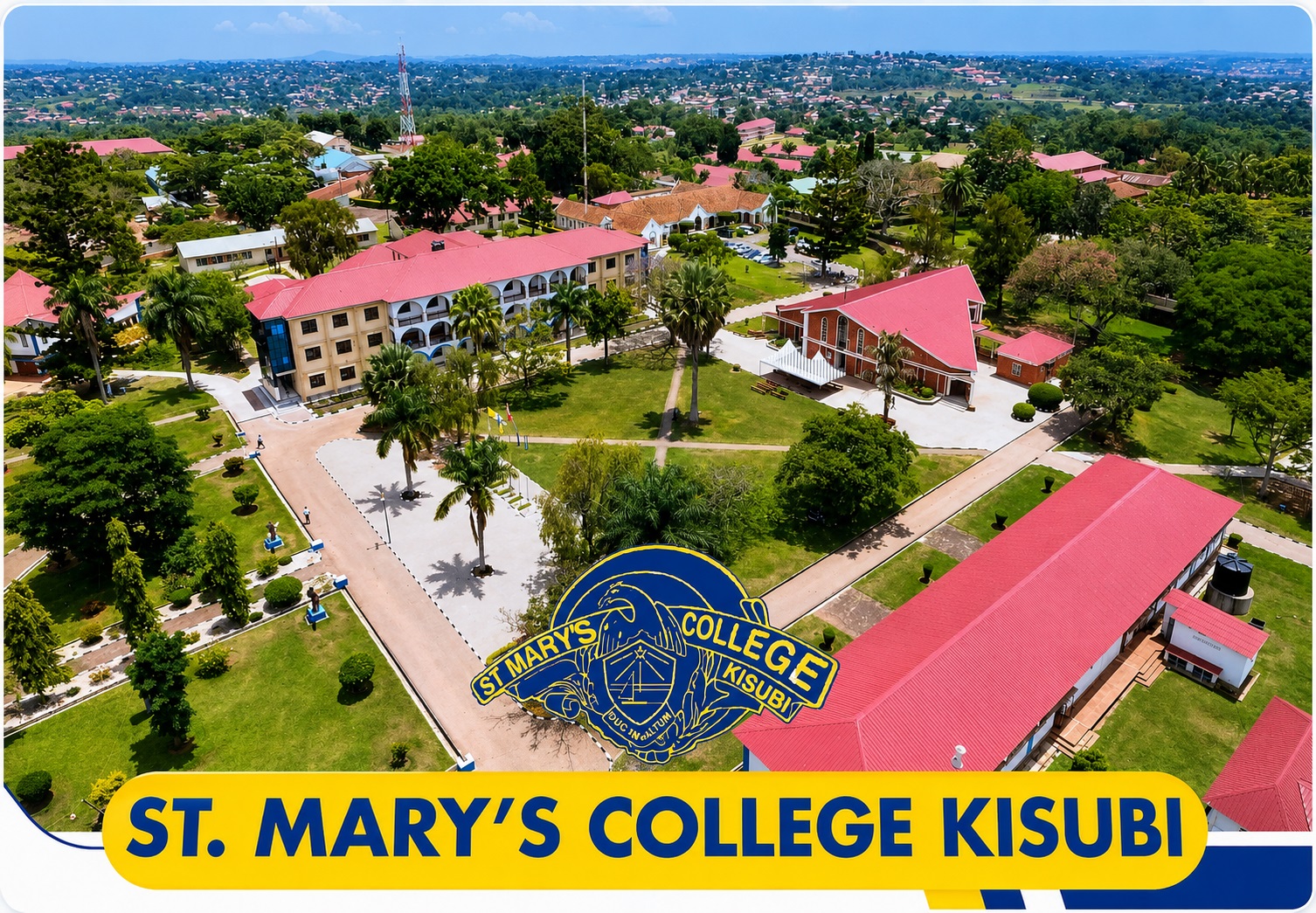
School: St. Mary’s College Kisubi • District: Wakiso
Learners designed, tested, and deployed an intranet announcement portal, removing administrative communication bottlenecks.

Guiding Engineering Rigour Without Taking Ownership
School: St. Mary’s College Kisubi • District: Wakiso
How patron mentorship structured user research and iterative prototyping without replacing authentic student problem-solving.
Documented Changes Across Partner Schools
A representative summary of before-and-after indicators tracked during KAWA follow-up audits.
| Key Implementation Indicator | Baseline Position (Before Support) | Documented Position (Post-Follow-Up) | Primary Catalyst |
|---|---|---|---|
| Documented Club Meetings / Term | 0 – 1 irregular sessions | 6 – 8 structured meetings | Headteacher-approved timetable & patron clinic |
| Active Club Members | Avg. 14 learners (mostly boys) | Avg. 38 learners (48% girls) | Structured recruitment & project teams |
| Girls in Technical Lead Roles | 0 in coding/circuit design | 3 – 5 per active club | Targeted leadership & inclusive team criteria |
| Learner Projects Documented | 0 testable prototypes | 2 – 3 verified working solutions | 14-Step Learner Innovation Pathway |
| Computer Hardware Fault Log | None (verbal reporting only) | Daily fault registry in active use | Computer Lab Sustainability Manual |
| Teachers Using Digital Resources | Avg. 2 (Computer Studies only) | Avg. 9 across Arts & Sciences | KAWA Connect offline content deployment |
Submit Your School’s Success Story
Has your school established an active ICT club, repaired lab systems, or built a student project? Submit your evidence for review and publication.
Download the Complete School Success Stories Report (2025/2026)
A curated compendium of 40+ verified case studies documenting school digital transformation, patron leadership, offline content integration, and learner problem-solving across Uganda.
Turn Digital Support Into Lasting School Impact
KAWA helps school communities move beyond one-off training by developing the governance, teacher confidence, offline tools, and student leadership required for sustainable educational change.