
Empowering School Leaders Through Flexible, Practical and Technology-Supported Professional Growth
Across Uganda, education is changing rapidly. Schools are expected to respond to new curriculum demands, digital learning opportunities, learner-centred teaching approaches, school-based assessment, technology integration and the growing need for stronger leadership at institutional level. In this changing environment, school leaders need more than occasional workshops. They need continuous professional development that is practical, flexible, accessible and connected to real school improvement.
KAWA recognises that effective school leadership is central to improving the quality of education. Headteachers, deputy headteachers, directors of studies, ICT patrons, senior teachers and other school leaders play a major role in guiding teachers, supporting learners, managing school resources and ensuring that national education priorities are implemented at school level.
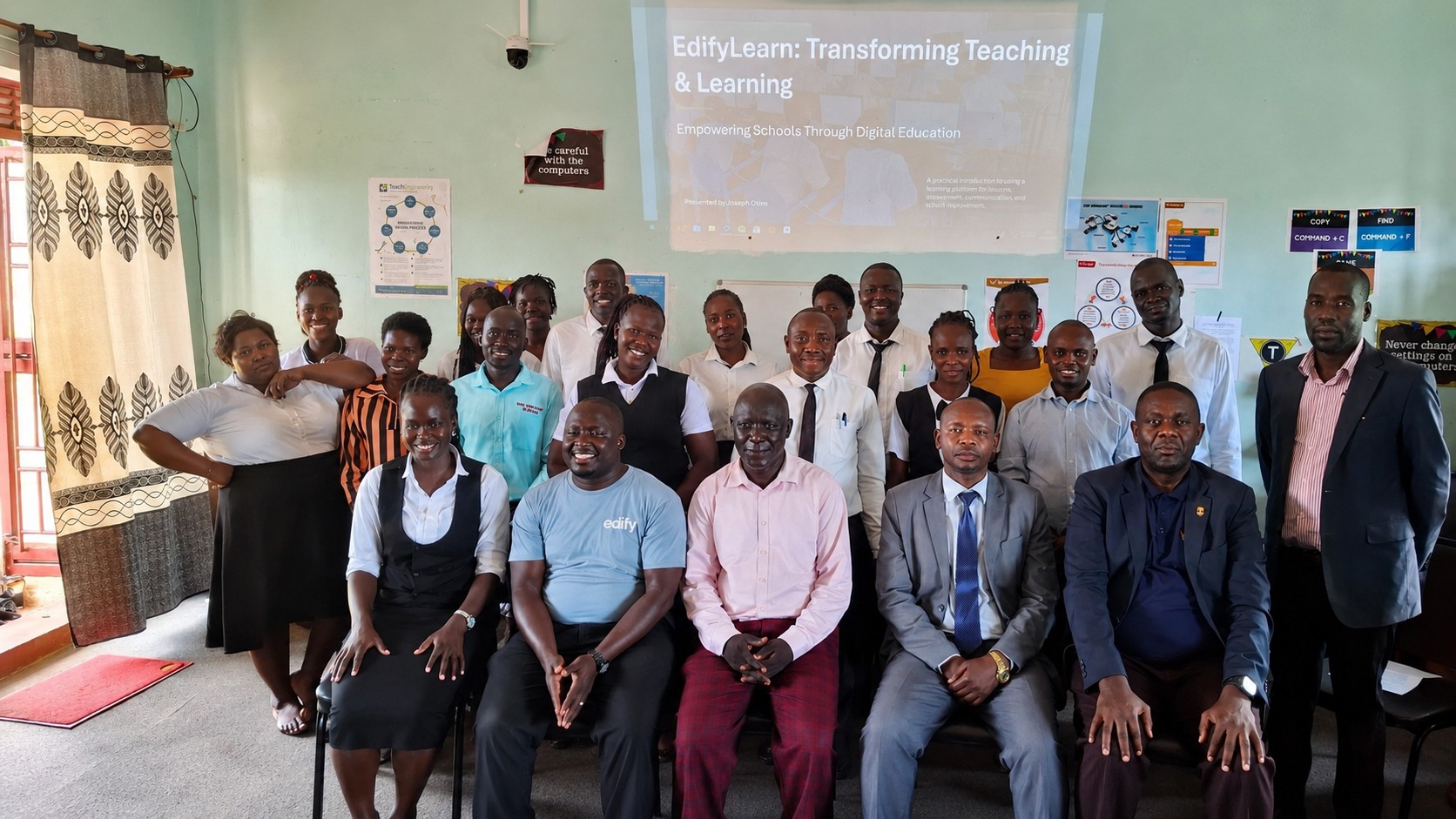
In collaboration with UCC through UCUSAF, the Ministry of Education and Sports, and the National Curriculum Development Centre of Uganda, KAWA continues to support schools through training, digital content development, ICT clubs, teacher professional development, curriculum support and practical school-based technology integration. One of the most important approaches guiding this work is blended learning.

What Is Blended Learning?
Blended learning is an approach that combines face-to-face training with online learning and school-based practice. It allows participants to attend physical workshops, interact with facilitators, share experiences with colleagues, and then continue learning through digital platforms, recorded lessons, online discussions, guided assignments, follow-up mentoring and practical implementation tasks.
This approach is very important for school leaders because they are busy people. A headteacher cannot always leave school for many days. An ICT patron may need to balance classroom teaching, computer laboratory management and club activities. A director of studies may be coordinating assessment, teaching schedules and curriculum implementation. Because of these responsibilities, professional development must be designed in a way that fits the realities of school life.
Blended learning gives school leaders the opportunity to learn in stages. They can attend a workshop, return to school, apply what they have learned, reflect on the experience, receive further guidance and continue improving. This makes professional development more meaningful than a one-time training event.
Why Blended CPD Matters for Uganda
Continuous Professional Development, also known as CPD, is essential for improving education quality. In Uganda, school leaders are expected to support curriculum implementation, promote effective teaching, encourage proper use of digital resources, strengthen school management and create safe, active and productive learning environments.
However, traditional training models often have limitations. They may require participants to travel long distances. They may be expensive to organise frequently. They may interrupt school operations when leaders are away for many days. They may also end at the workshop, with little follow-up to support implementation.
Blended learning helps to address these challenges. It makes professional development more flexible, more affordable, more continuous and more connected to the real needs of schools.
Through blended CPD, school leaders can continue learning without being completely removed from their school responsibilities. They can access digital resources, participate in online mentoring, share school-based experiences and receive guidance while implementing new ideas in their own institutions.
KAWA’s Role in Supporting Blended Professional Development
KAWA’s work in Uganda is built around the belief that technology should improve learning, strengthen teaching and support better school management. Through its education programmes, digital learning resources and training activities, KAWA supports school leaders and teachers to use technology responsibly and effectively.
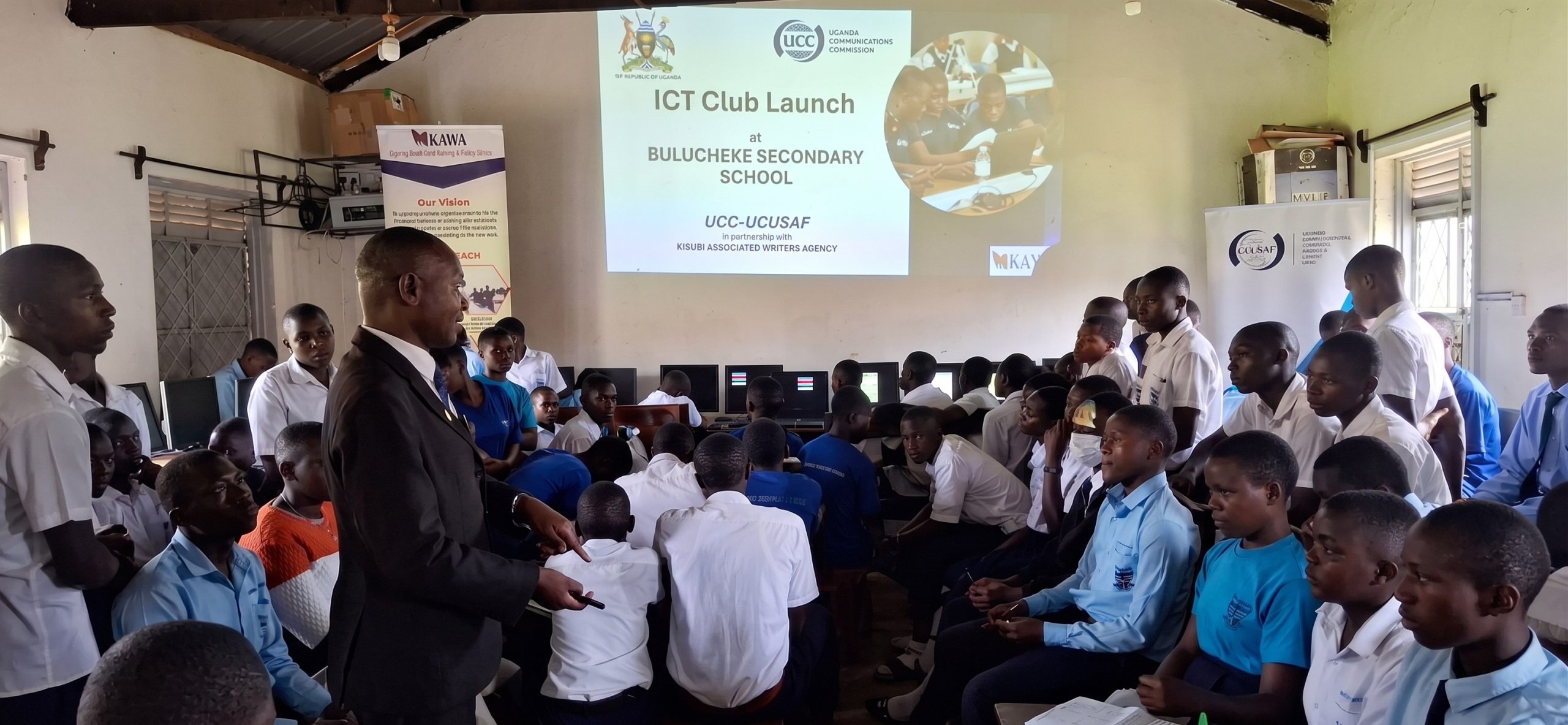
In collaboration with UCC/UCUSAF, KAWA has been supporting the establishment and strengthening of ICT Clubs in secondary schools. These clubs are not only for learners; they also provide an important entry point for building digital leadership in schools. ICT patrons, headteachers and teachers are guided to understand how technology can support learning, creativity, innovation, digital safety and sustainability of school computer laboratories.
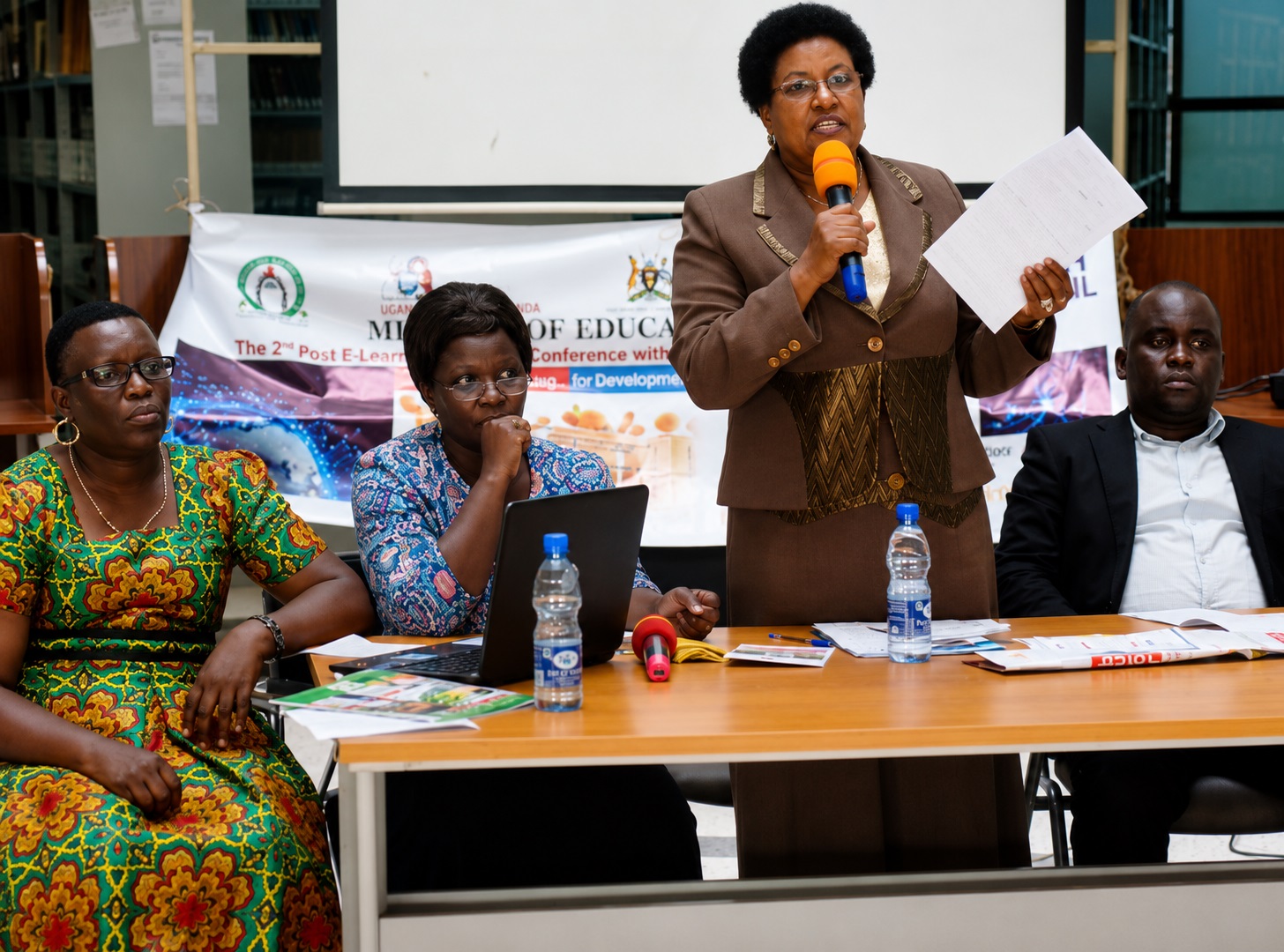
KAWA also aligns its training work with national education priorities promoted by the Ministry of Education and Sports and the National Curriculum Development Centre. This is especially important as schools continue to implement the competence-based curriculum and adopt more learner-centred approaches. School leaders must understand how to support teachers, monitor progress and create an environment where practical learning can take place.
Through blended learning, KAWA is able to combine physical training sessions with digital follow-up. This may include face-to-face workshops, online guidance, recorded training content, digital resources, WhatsApp or online group discussions, action plans, school-based assignments and follow-up support.
Benefits of Blended Learning for School Leaders
One of the greatest benefits of blended learning is flexibility. School leaders can participate in professional development without always leaving their schools for long periods. They can attend a physical session and later continue learning online while applying the ideas in their school environment.
Another benefit is accessibility. Uganda has schools in urban, peri-urban and rural areas. Some schools are located far from major training centres. A blended model reduces the need for repeated travel and allows more school leaders to benefit from professional development over time.
Blended learning also improves engagement. In a well-designed programme, participants are not just seated and listening. They are reading, watching, discussing, reflecting, completing assignments, sharing school experiences and receiving feedback. This makes learning more active and practical.
It also supports personalised learning. School leaders do not all have the same level of experience. Some may need more support in digital skills. Others may need guidance in curriculum supervision, ICT club management, school data use, teacher support or digital content integration. A blended model allows participants to learn at different speeds and revisit materials when necessary.
Most importantly, blended learning connects training to school improvement. A headteacher or ICT patron can learn a concept, return to school, test it, observe results, document progress and receive support to improve further. This turns professional development into action.
Supporting ICT Clubs Through Blended Learning
The ICT Clubs programme provides a strong example of how blended learning can support school transformation in Uganda. Through the support of UCC/UCUSAF and collaboration with education stakeholders, KAWA is helping schools build active ICT Clubs that promote digital skills, creativity, innovation and responsible technology use.
For ICT Clubs to succeed, school leaders and patrons must understand their roles. They need to know how to mobilise learners, organise club meetings, manage activities, protect computer laboratories, encourage project-based learning and guide learners to use technology responsibly.
A one-day training alone is not enough to achieve this. Schools need continuous guidance. This is why blended learning is important. After an initial training, patrons can continue receiving support through digital platforms, shared resources, recorded lessons, templates, action plans and follow-up communication.
This approach helps ICT Clubs remain active beyond the launch. It also helps schools move from simply having computer equipment to using ICT as a tool for learning, innovation and problem-solving.
Strengthening Curriculum Implementation
Uganda’s competence-based curriculum requires schools to place more emphasis on practical learning, critical thinking, collaboration, creativity, communication and problem-solving. This requires strong leadership.
School leaders must support teachers to plan better lessons, use appropriate learning resources, assess learners meaningfully and encourage active participation. They must also help schools move away from purely theoretical teaching towards learning that connects with real life.
KAWA’s professional development work supports this direction by helping teachers and school leaders understand how digital tools and local resources can enrich learning. In line with NCDC’s curriculum direction, KAWA promotes content and training that support competence development, practical application and learner engagement.
Blended learning makes this support more sustainable. Instead of limiting curriculum support to a single physical workshop, school leaders and teachers can continue accessing materials, asking questions, sharing challenges and improving their practice over time.
Addressing the Challenges of Blended Learning
Although blended learning has many advantages, it also comes with challenges that must be addressed carefully.
One major challenge is limited access to technology. Some schools may not have enough computers, tablets or smartphones for professional learning. Others may have unreliable internet connectivity or limited access to electricity. These realities must be considered when designing blended CPD programmes.
Another challenge is digital literacy. Not every school leader or teacher is confident in using online learning platforms, digital documents, video meetings, email, cloud storage or online discussion tools. For blended learning to succeed, digital skills training must be part of the programme.
There is also the challenge of mindset. Some people may still believe that real learning only happens in a physical workshop. Others may not yet trust online learning or may find it difficult to participate consistently without close supervision. This means blended learning must be well organised, properly facilitated and supported by clear expectations.
KAWA’s approach recognises these challenges. Technology should not be introduced as a burden. It should be introduced as a practical support system. Blended learning should be simple, guided and relevant to the daily work of school leaders and teachers.
What Makes Blended CPD Effective?
For blended CPD to succeed, it must be carefully designed. It is not enough to send materials online and assume that learning has taken place. A strong blended professional development programme should have clear objectives, practical content, active facilitation, relevant assignments and regular follow-up.
The physical sessions should introduce key ideas, build relationships and allow participants to interact directly with facilitators. The online component should then extend the learning through reflection, discussion, resources, coaching and school-based tasks.
Assignments should be linked to real school needs. For example, a headteacher may be asked to develop a simple digital learning improvement plan. An ICT patron may prepare an ICT Club activity schedule. A teacher may design a learner-centred lesson using digital resources. A director of studies may prepare a simple system for tracking curriculum coverage.
This kind of practical assignment helps participants move from theory to action. It also allows facilitators to see what is working and where more support is needed.
Technology Should Support Human Guidance
A key lesson for KAWA and for schools across Uganda is that technology should support leadership learning, not replace human support. Online tools are useful, but they are most effective when combined with good facilitation, mentoring and collaboration.
School leaders still need opportunities to ask questions, share experiences, learn from one another and receive encouragement. A blended model should therefore create a strong learning community, not just a digital platform.
This is why peer learning is important. When headteachers, ICT patrons and teachers share what is happening in their schools, others can learn from their experiences. One school may have found a good way to organise ICT Club meetings. Another may have developed a better system for protecting computer laboratory equipment. Another may have discovered how to motivate learners to participate in digital projects.
Through blended learning, these experiences can be shared widely and continuously.
From Training Events to Continuous Improvement
The future of professional development in Uganda should not depend only on isolated workshops. Workshops are important, but they should be part of a bigger learning journey. Real improvement happens when training is followed by practice, reflection, feedback and further support.
KAWA’s work with schools is moving in this direction. The aim is not only to train teachers and school leaders, but to support them as they implement what they have learned. This is especially important in areas such as ICT integration, ICT Club sustainability, competence-based curriculum implementation, digital content use and school leadership.
A strong CPD model should help school leaders answer practical questions such as:
How can we make better use of our computer laboratory?
How can we keep our ICT Club active throughout the term?
How can teachers use digital resources to support learning?
How can learners use technology safely and creatively?
How can school leaders monitor progress after training?
How can digital tools support curriculum implementation and school improvement?
These are the kinds of questions that blended learning can help schools address over time.
Building Stronger Schools Through Stronger Leaders
When school leaders learn better, they lead better. When they lead better, teachers receive stronger support. When teachers are supported, learners benefit. This is why investment in professional development is an investment in the future of Uganda’s education system.
Through collaboration with UCC/UCUSAF, the Ministry of Education and Sports, and NCDC Uganda, KAWA continues to contribute to this national effort by promoting practical, technology-supported and school-based professional learning.
Blended learning provides a powerful way to make this work more sustainable. It allows professional development to continue beyond the workshop. It supports learning at school level. It encourages reflection and peer sharing. It reduces unnecessary barriers to access. It helps school leaders and teachers apply new ideas in real situations.
Conclusion
Blended learning is not simply a modern trend. It is a practical response to the real needs of school leaders and teachers in Uganda. It recognises that education professionals need continuous support, but they also have daily responsibilities in their schools.
For KAWA, blended learning offers a strong model for delivering Continuous Professional Development that is flexible, accessible, engaging and directly connected to school improvement. It supports the work of ICT Clubs, strengthens teacher development, promotes responsible technology use and contributes to the successful implementation of national education priorities.
As Uganda continues to embrace digital transformation in education, the message is clear: professional development must also transform. It must move beyond one-time training events and become a continuous journey of learning, practice, reflection and improvement.
By investing in blended learning for school leaders and teachers, Uganda invests in stronger schools, better teaching, more confident learners and a more digitally prepared education system.



Leave a Reply
You must be logged in to post a comment.