
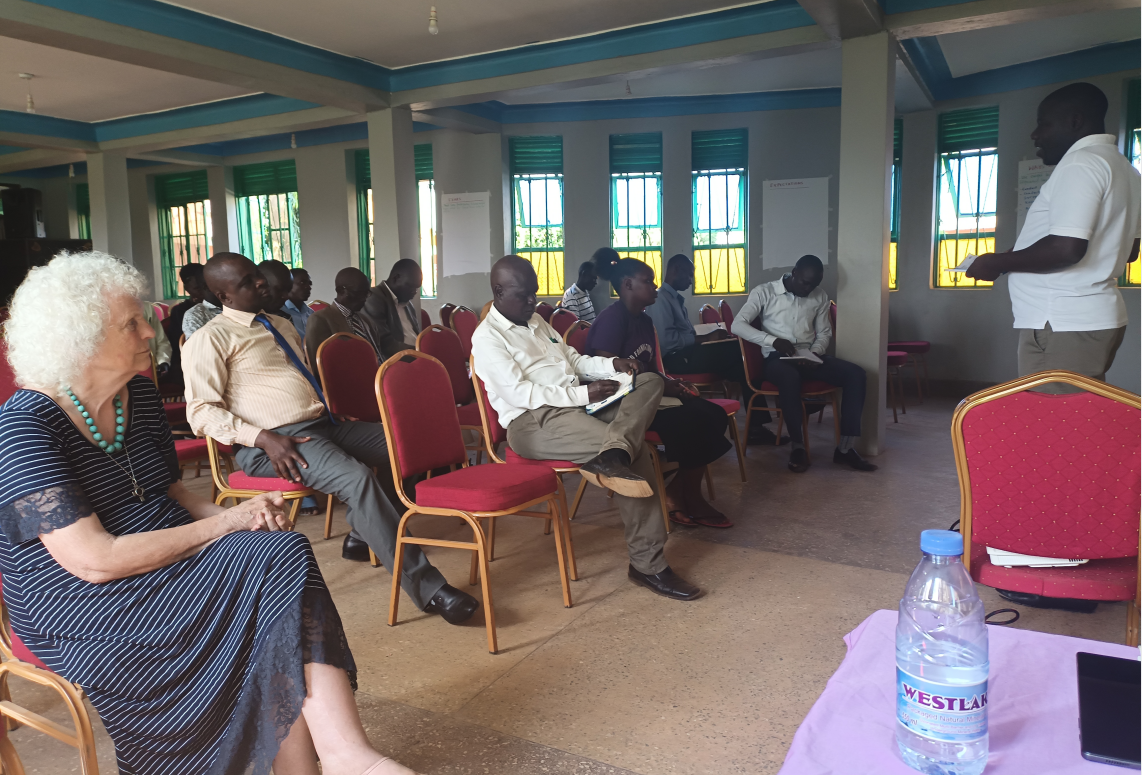
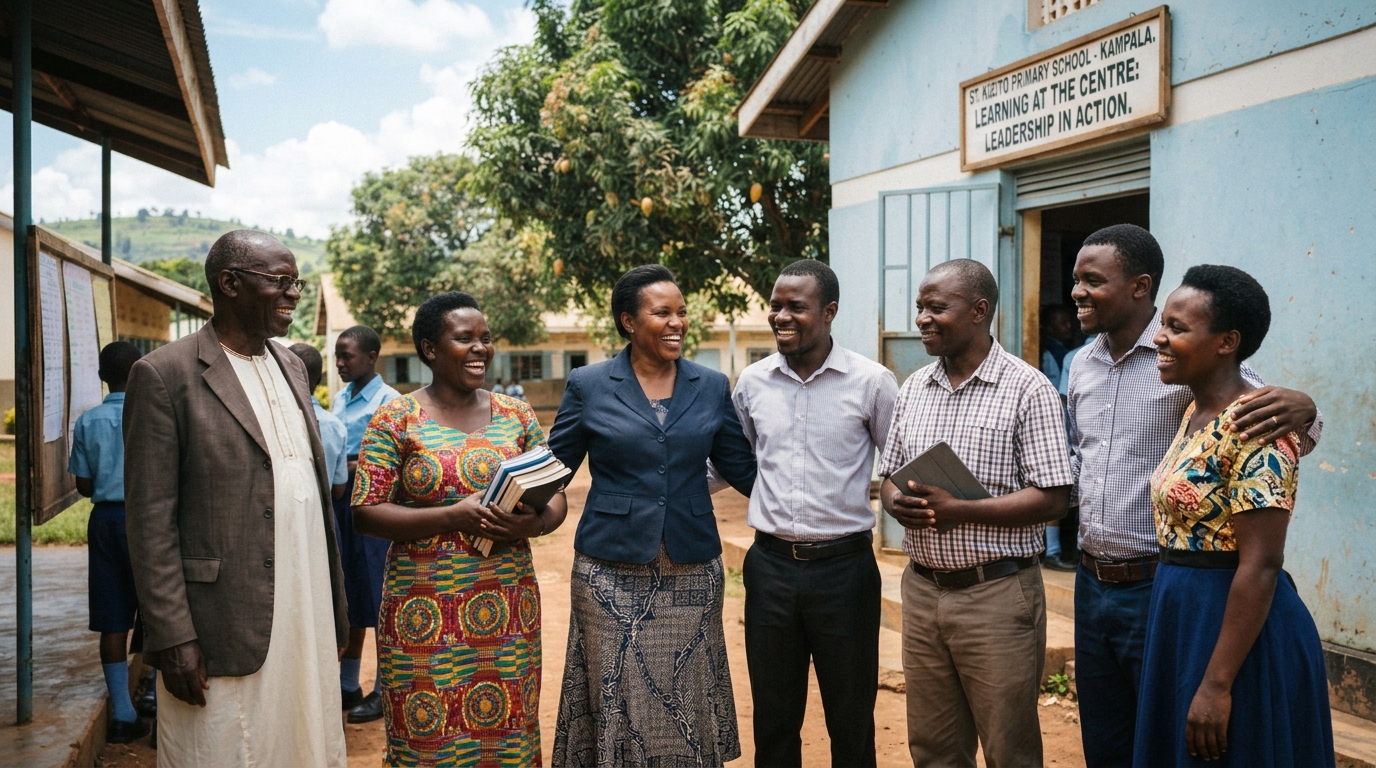
Private or non state schools play a very important role in expanding access to education. In many communities, especially in urban, peri-urban and fast-growing rural areas, private schools have helped parents find education options closer to home. Many of these schools were started by visionary proprietors, churches, community groups, teachers and education entrepreneurs who wanted to serve children while also building sustainable institutions.
However, the reality today is not easy. Many private school owners are struggling with delayed school fees, high operating costs, loan pressure, teacher salary demands, increasing competition, parent complaints, tax obligations, food prices, infrastructure needs and the rising cost of maintaining quality education. Some schools have learners, buildings and committed teachers, yet still fail to maintain stable cash flow. Others collect money, but because the money is not well planned, recorded, protected and invested, the school remains in financial stress every term.
The challenge, therefore, is not only about raising more money. It is also about managing the money that already comes in. A school can increase fees and still remain poor if it has weak financial systems. On the other hand, a school with modest fees can become stable if it manages enrolment, collections, expenditure, budgeting, procurement, staffing and investment properly.
This KAWA article is written specifically for private school owners, directors, headteachers, bursars and board members . It explores practical ways of increasing school revenue while strengthening financial management so that schools can survive, grow and continue offering quality education.
1. The Real Financial Problem Facing Many Private Schools
Many private schools depend almost entirely on school fees. This creates a serious risk because school fees are seasonal. Most money comes at the beginning of the term, yet expenses continue throughout the term. Teachers need salaries every month. Food suppliers need payment. Banks expect loan instalments. Utilities must be cleared. Repairs cannot wait. UNEB, NCDC-related curriculum materials, scholastic resources, inspection requirements, transport, security and administration all require money.
When parents delay fees, the school suffers immediately. But fee delay is only one part of the problem. The bigger challenge is often poor financial planning.
Common financial weaknesses in private schools include:
- Collecting fees without a clear cash flow plan.
- Mixing school money with personal money.
- Running the school without a realistic annual budget.
- Paying expenses without proper approval.
- Borrowing money for salaries without a repayment plan.
- Expanding buildings before stabilising enrolment.
- Failing to track fee arrears accurately.
- Giving too many discounts without knowing the financial impact.
- Buying supplies without comparing prices.
- Running many activities that do not bring measurable value.
- Keeping poor records of cash, mobile money, bank deposits and supplier payments.
- Depending on one person to control all money without checks and balances.
For a private school to become financially strong, it must work on two sides at the same time: revenue generation and financial discipline.
2. Start by Understanding Your School as an Educational Enterprise
A private school is not just a business. It is an educational institution with a social mission. It deals with children, parents, teachers, government expectations and community trust. But it must still be managed with business discipline.
Every school owner should know these figures:
- Total enrolment.
- Average fee per learner.
- Total expected income per term.
- Actual income collected per term.
- Total arrears per class.
- Monthly salary bill.
- Food cost per learner.
- Transport cost per route.
- Loan obligations.
- Rent or land-related costs.
- Utilities and maintenance costs.
- Number of learners needed to break even.
- Number of learners needed to make a surplus.
- Cost of educating one learner per term.
- Profit or loss per term.
Many schools operate for years without knowing their break-even enrolment. This is dangerous. A school may celebrate having 300 learners, yet it actually needs 420 learners to pay salaries, feed learners, maintain buildings, service loans and reinvest in quality.
The first step in revenue generation is not fundraising. It is financial clarity.
3. Strengthen Traditional Sources of Revenue
a) School Fees
School fees remain the main source of income for most private schools . But fees must be managed carefully. Increasing fees every year without improving value can push parents away. Keeping fees too low can also make the school unable to pay teachers, maintain facilities and provide quality education.
A good school fee policy should be clear, fair and predictable. Parents should know what they are paying for, when they should pay, what happens when they delay and whether there are payment options.
Practical steps:
- Prepare a clear fee structure before the term begins.
- Avoid hidden charges that anger parents later.
- Separate tuition, meals, boarding, transport, uniforms and development fees where possible.
- Offer structured instalment plans for serious parents.
- Give early-payment incentives where affordable.
- Avoid uncontrolled discounts.
- Track arrears weekly, not at the end of term.
- Communicate with parents respectfully before arrears become too big.
- Use bank, mobile money or school management systems to reduce cash leakage.
- Issue receipts for every payment.
A school should never treat fee collection as begging. It is a professional exchange: the school provides a service, and parents meet their responsibility.
b) Admission, Registration and Assessment Fees
Admission and registration fees can help the school cover the cost of interviews, records, learner files, placement tests, orientation and administration. However, they should be reasonable and transparent.
Schools should avoid turning admission into a money-making trick. Parents are more willing to pay when the process looks organised, professional and meaningful.
A good admission package may include:
- Learner assessment.
- Parent orientation.
- School rules and expectations.
- Class placement.
- Learner file creation.
- Digital registration.
- School communication setup.
- Uniform and book guidance.
This makes the parent feel that the school is organised from the beginning.
c) Uniforms, Books and School Supplies
Many schools earn income from uniforms, exercise books, textbooks, diaries, sportswear and stationery. This can support the school financially, but it must be handled with care. Parents become suspicious when prices are too high or when items are compulsory without explanation.
Better practice:
- Keep prices reasonable.
- Ensure quality is good.
- Give parents a clear list early.
- Avoid changing uniforms too often.
- Keep proper stock records.
- Separate uniform income from tuition income.
- Monitor losses in the store.
- Use trusted suppliers and compare prices.
The goal is not to exploit parents. The goal is to create convenience, uniformity and a modest surplus for the school.
d) Transport Services
School transport can be a strong source of revenue, especially in urban and peri-urban areas. However, it can also become a loss-making activity if fuel, driver allowances, maintenance and route planning are not controlled.
Before starting or expanding school transport, calculate:
- Number of learners per route.
- Fuel cost per day.
- Driver and conductor cost.
- Vehicle maintenance.
- Insurance and licensing.
- Depreciation.
- Emergency repair reserve.
- Monthly transport fee collected.
- Break-even number of learners per vehicle.
Do not charge transport fees by guessing. A school bus that looks full may still be making a loss if the route is poorly planned.
e) Boarding Services
Boarding can increase revenue, but it also increases responsibility. It requires food, security, matrons, wardens, beds, sanitation, health support, electricity, water, supervision and compliance with safety standards.
Boarding should only be expanded when the school can manage it well. Poor boarding conditions can damage the school’s reputation quickly.
A financially sound boarding section should have:
- Separate boarding budget.
- Food cost calculation per learner.
- Clear boarding fee structure.
- Hygiene and safety budget.
- Bedding and dormitory maintenance plan.
- Regular stock-taking for food and supplies.
- Strong supervision and child protection systems.
Boarding must never be treated simply as extra income. It is a serious responsibility.
f) Donations, Alumni and Well-Wishers
Many private schools do not use alumni and well-wishers well. Former learners, old parents, local leaders, churches, NGOs and business people may be willing to support a school if the request is specific and credible.
Avoid asking generally: “Support our school.” Instead, present a clear project.
Examples:
- Sponsor 20 classroom desks.
- Support a computer lab.
- Contribute to a girls’ washroom project.
- Sponsor needy but bright learners.
- Provide sports equipment.
- Support a reading corner.
- Donate science materials.
- Fund a school water tank.
- Support a teacher training workshop.
People support schools that show transparency. Always account for donations publicly and respectfully.
4. Explore Non-Traditional Revenue Sources
Traditional revenue sources are important, but they may not be enough. Private schools need to think creatively while remaining faithful to their education mission. Non-traditional revenue should not distract the school from teaching and learning. It should strengthen the school.
a) Holiday Learning Programmes
During holidays, schools can offer useful programmes for learners and the wider community. These should not only be about coaching for exams. They can include practical skills that parents value.
Possible holiday programmes:
- Reading and writing improvement.
- Mathematics clinics.
- ICT and coding clubs.
- Robotics and digital literacy.
- Public speaking and debate.
- Music, dance and drama.
- Art and crafts.
- Entrepreneurship for learners.
- Financial literacy.
- Agriculture and school gardening.
- Career guidance.
- Remedial learning for weak learners.
- Leadership camps.
- Life skills and discipline programmes.
Holiday programmes can bring revenue while improving the school brand. Parents are more willing to pay when the programme is well organised, safe and visibly useful.
b) Weekend and Evening Skills Centre
A school can use its classrooms, computer lab or hall during weekends and evenings for community training. This works well in towns, trading centres and growing communities.
Possible courses:
- Basic computer skills.
- Typing and office applications.
- Internet and email use.
- Graphics design.
- Bookkeeping for small businesses.
- English communication.
- Adult literacy.
- Entrepreneurship.
- Tailoring or crafts where facilities exist.
- Financial literacy for parents.
- Digital safety training.
- ICT training for teachers from nearby schools.
This turns idle facilities into productive assets. However, children’s safety must come first. Adult programmes should be scheduled separately from normal school activities.
c) Renting School Facilities
Many schools have halls, playgrounds, classrooms, tents, chairs, public address systems, computer labs or buses that remain unused during certain hours or holidays. These can generate revenue if rented professionally.
Possible users:
- Churches.
- Community groups.
- NGOs.
- Training organisations.
- Examination centres.
- Sports clubs.
- Youth groups.
- Teacher training providers.
- Local associations.
- Event organisers.
Before renting facilities, the school should have rules on security, cleanliness, noise, property damage, child safety, toilets, time limits and payment terms. Do not rent school facilities for activities that may damage the school’s values or reputation.
d) School Farm or Garden
A school farm can reduce food costs, support learning and generate income. This is especially useful for schools with land.
Possible projects:
- Vegetable gardens.
- Poultry.
- Banana plantation.
- Passion fruits.
- Maize.
- Beans.
- Piggery where appropriate and acceptable.
- Fish farming where water is available.
- Tree seedlings.
- Demonstration gardens for Agriculture lessons.
The school farm should be treated as both an income-generating project and a learning laboratory. Learners can gain practical skills while the school reduces feeding costs.
However, a school farm must be properly managed. If there is no responsible person, no records and no market plan, it can become another source of losses.
e) Digital Learning Products
Schools can create digital learning materials and offer them to parents or learners at a small fee. This is increasingly important as parents become more open to blended learning.
Examples:
- Recorded revision lessons.
- Digital holiday packages.
- Online reading materials.
- Audio lessons for lower primary.
- Past-paper discussion videos.
- Digital worksheets.
- Parent guidance webinars.
- Teacher-made lesson notes.
- ICT club tutorials.
- Career guidance sessions.
A school does not need to start with expensive technology. It can begin with simple PDF notes, WhatsApp-supported learning, short videos, audio explanations and organised online revision groups.
The key is quality and consistency.
f) Corporate Partnerships and Sponsorships
Private schools can partner with companies, banks, telecoms, health providers, bookshops, ICT companies, solar companies, insurance firms, media houses and local businesses.
Partnerships can support:
- Sports days.
- ICT clubs.
- Science fairs.
- Reading competitions.
- Career days.
- Financial literacy sessions.
- Health camps.
- Environmental clubs.
- Sanitary pad support.
- School feeding initiatives.
- Digital safety campaigns.
- Infrastructure projects.
The school should prepare a simple sponsorship proposal showing:
- The school profile.
- Number of learners and parents reached.
- The activity being supported.
- Benefits to learners.
- Visibility for the sponsor.
- Budget.
- Accountability plan.
A serious sponsor wants to know that the school is organised.
g) Alumni Membership Programme
Many schools have former learners who still love the school but are never contacted. A simple alumni programme can generate money, mentorship and opportunities.
The school can create:
- Alumni database.
- Annual alumni day.
- Alumni WhatsApp or email group.
- Alumni mentorship programme.
- Alumni scholarship fund.
- Alumni contribution to school projects.
- Alumni career talks.
- Alumni membership card.
- Alumni sports reunion.
The money may not come immediately, but over time alumni can become one of the strongest support systems for the school.
h) Special Talent Programmes
Parents are increasingly looking for schools that develop the whole child. A private school can create paid optional programmes in areas such as:
- Swimming.
- Football academy.
- Music.
- Piano or guitar.
- Ballet or dance.
- Art.
- Coding.
- Robotics.
- Chess.
- Public speaking.
- Creative writing.
- Debate.
- French, Kiswahili or other languages.
- Media and photography.
These programmes can increase income and also make the school more attractive. However, they should be optional, affordable and well supervised.
i) Teacher Training and Professional Development
A strong school can become a training centre for nearby teachers. Many private schools struggle because teachers lack continuous professional development. If your school has good leadership, ICT capacity, curriculum experience or strong departments, it can organise paid workshops.
Possible topics:
- Competence-Based Curriculum implementation.
- Lesson planning.
- Assessment.
- Classroom management.
- ICT integration.
- Early grade literacy.
- Inclusive education.
- School financial management.
- Digital content creation.
- Guidance and counselling.
- Child protection.
- School leadership.
This creates income while positioning the school as a centre of excellence.
j) School-Based Enterprises
Some schools can create small enterprises linked to learning and community service.
Examples:
- Printing and photocopying centre.
- Bookshop.
- School canteen.
- Bakery.
- Tailoring unit for uniforms.
- Craft production.
- Tree nursery.
- Poultry unit.
- Events equipment hire.
- ICT service centre.
- Water purification or safe water project.
These should be carefully selected. Do not start too many projects at once. Begin with one project that matches the school’s capacity, location and available staff.
5. Improve Fee Collection Without Fighting Parents
Many schools lose money because fee collection is emotional instead of systematic. Some parents delay because they are careless. Others delay because their income is seasonal or unstable. Some genuinely struggle. A good school fee system should be firm but humane.
Practical strategies:
a) Know Your Parent Segments
Not all parents are the same. Some can pay fully at the beginning of the term. Some need two instalments. Some need monthly payments. Some are always in arrears. Some need sponsorship support. Treating all parents the same may not work.
Create categories:
- Full payers.
- Instalment payers.
- Salary-based payers.
- Business-income parents.
- Agricultural-income parents.
- Chronic defaulters.
- Vulnerable but committed families.
This helps the school plan better.
b) Introduce Payment Plans
Instead of waiting until arrears are too high, agree on payment plans early. For example:
- 50% before reporting.
- 30% by mid-term.
- 20% before exams.
Or:
- Monthly instalments for parents with salaries.
- Harvest-based arrangement for farming communities.
- Standing order or mobile money schedule where possible.
The school should document every agreement.
c) Use Digital Payment and Receipting
Digital payment reduces cash handling and improves accountability. It also helps the school track who has paid and who has not.
A school can use:
- Bank payments.
- Mobile money.
- School pay codes.
- Digital receipts.
- School management systems.
- SMS or WhatsApp fee reminders.
Even a small school can start with a simple spreadsheet and mobile money records, then grow into a full system later.
d) Communicate Early and Respectfully
Parents become defensive when schools only communicate during crisis. Send fee reminders early, clearly and respectfully.
Good communication includes:
- Opening balance.
- Amount paid.
- Balance remaining.
- Payment deadline.
- Payment options.
- Contact person for clarification.
Avoid public embarrassment of learners. Protect children’s dignity while still enforcing payment policy.
6. Build a Strong Financial Management System
Revenue generation without financial control is like pouring water into a leaking tank. Before looking for more money, schools must block the leakages.
a) Prepare an Annual Budget
Every school should prepare an annual budget before the academic year begins. The budget should show expected income and expected expenditure.
A good school budget includes:
- Expected enrolment per class.
- Expected fee income.
- Expected income from other services.
- Teacher salaries.
- Non-teaching staff salaries.
- Food.
- Utilities.
- Rent or loan payments.
- Teaching materials.
- Examination costs.
- Repairs and maintenance.
- Transport.
- Insurance.
- Security.
- ICT.
- Marketing.
- Professional development.
- Emergency reserve.
- Development projects.
The budget should be realistic. Do not budget based on hope. Budget based on evidence.
b) Create a Termly Cash Flow Plan
A budget shows what you expect in the year. A cash flow plan shows when money will come in and when it will go out.
This is very important because schools receive money in waves, but expenses are continuous.
A cash flow plan helps the school know:
- When salaries will be paid.
- When suppliers will be cleared.
- When loan instalments are due.
- When food stock must be bought.
- When examination expenses will arise.
- When repairs can be done.
- When development projects can begin.
Without cash flow planning, a school can appear rich in week two and become broke by week seven.
c) Separate School Money from Personal Money
This is one of the biggest problems in private schools. The owner may have started the school using personal money, but once the school is operating, the finances must be separated.
The school should have:
- School bank account.
- Clear salary or director’s allowance for the owner where applicable.
- Proper records for owner loans to the school.
- Proper records for money withdrawn by directors.
- Approved budgets before spending.
- Clear distinction between school expenses and family expenses.
When school money and personal money are mixed, the school cannot grow properly.
d) Strengthen Procurement
Schools spend a lot of money on food, construction materials, stationery, uniforms, fuel, textbooks and maintenance. Weak procurement can cause serious losses.
Good procurement practices:
- Compare at least three suppliers for major purchases.
- Keep supplier records.
- Use purchase requests.
- Approve purchases before payment.
- Check goods received.
- Keep delivery notes.
- Avoid buying without receipts.
- Monitor stock.
- Separate the person ordering from the person approving where possible.
Even a small school needs simple controls.
e) Keep Proper Financial Records
A school should keep records of:
- Fees expected.
- Fees received.
- Arrears.
- Bank deposits.
- Mobile money transactions.
- Cash payments.
- Receipts issued.
- Supplier payments.
- Salaries.
- Loans.
- Assets.
- Stock.
- Donations.
- Project funds.
Records help the school make decisions. They also protect the owner from confusion, accusations and losses.
f) Pay Teachers and Staff Predictably
Teachers are the heart of a school. If salaries delay every month, staff morale goes down. Good teachers leave. Parents notice. Learner performance suffers.
Financially disciplined schools prioritise salaries in their cash flow planning. If a school cannot pay salaries, it should review staffing levels, fee collection, class sizes, expenditure and revenue strategy.
Avoid hiring more staff than the school can sustain. Also avoid underpaying teachers to the point where quality collapses. A school’s reputation depends heavily on teacher stability.
g) Build an Emergency Reserve
Every school should aim to build a reserve fund. This may start small, but it is important.
The reserve can help with:
- Medical emergencies.
- Urgent repairs.
- Delayed fee collection.
- Food price changes.
- Transport breakdown.
- Unexpected inspection requirements.
- Temporary enrolment decline.
- Salary support during difficult months.
A school without reserves is always one crisis away from collapse.
7. Reduce Costs Without Reducing Quality
Cost control does not mean becoming cheap. It means spending wisely.
Ways to reduce costs:
- Use energy-saving bulbs.
- Invest in solar where practical.
- Repair water leaks quickly.
- Control printing and photocopying.
- Plan food menus professionally.
- Buy food in bulk when prices are favourable.
- Monitor fuel usage.
- Maintain vehicles regularly.
- Use digital communication to reduce paper.
- Share resources across departments.
- Avoid unnecessary ceremonies.
- Stop projects that do not add value.
- Review supplier contracts.
- Track wastage in the kitchen and stores.
The key question before spending should be: does this improve learning, safety, reputation, compliance or long-term sustainability?
8. Improve the School Brand to Increase Enrolment
Revenue increases when enrolment grows and retention improves. Many schools focus only on fees, but the real driver of income is trust.
Parents pay for value. They want to see:
- Good teaching.
- Good discipline.
- Safety.
- Clean environment.
- Teacher commitment.
- Clear communication.
- Academic progress.
- Moral formation.
- Talent development.
- ICT exposure.
- Good leadership.
- Respect for parents.
- Care for learners.
- Transparency.
A school that wants more revenue must improve parent confidence.
Practical branding strategies:
- Keep the compound clean.
- Make classrooms organised.
- Share learner progress regularly.
- Hold meaningful parent meetings.
- Use photos and stories responsibly to show school activities.
- Maintain an active school website or social media page.
- Celebrate learner achievements.
- Communicate school values clearly.
- Train teachers in customer care.
- Respond to parent complaints professionally.
- Build a strong school culture.
Marketing cannot replace quality. But quality without communication may remain invisible.
9. Use Technology to Improve Financial Management
Many private schools still manage fees using books, loose papers and memory. This creates room for errors, loss and conflict.
A school can start small by using:
- Excel or Google Sheets for fee tracking.
- Mobile money transaction records.
- Digital receipts.
- SMS reminders.
- Parent WhatsApp broadcasts.
- Accounting software.
- School management systems.
- Online admission forms.
- Digital report cards.
- EMIS-aligned data records.
- Bank reconciliation templates.
Technology helps school leaders know the real position quickly. It also reduces dependence on one person.
However, technology must be supported by discipline. A computerised system will not solve dishonesty or poor leadership. It only strengthens a system that the school is committed to using properly.
10. Borrow Carefully
Many private schools borrow for buildings, buses, land, salaries or operations. Borrowing is not bad if it is used wisely. But borrowing can destroy a school if it is used to cover repeated losses without solving the cause of those losses.
Before borrowing, ask:
- What exactly is the loan for?
- Will it increase income or reduce costs?
- How much will be paid monthly?
- Can the school afford repayment during low-fee months?
- What happens if enrolment drops?
- Is the loan for development or survival?
- Are there cheaper alternatives?
- Has the board or management reviewed it?
- Is the repayment plan realistic?
Avoid borrowing for salaries unless there is a clear short-term fee collection issue. If salaries require borrowing every term, the school has a structural financial problem.
11. Create a School Finance Committee
Even in a private school, the owner should not carry the whole financial burden alone. A small finance committee can improve accountability and decision-making.
The committee may include:
- Director or proprietor.
- Headteacher.
- Bursar or accountant.
- Board representative.
- Procurement representative.
- Trusted external advisor where possible.
The committee can review:
- Budget.
- Fee collection.
- Arrears.
- Major purchases.
- Salary obligations.
- Loans.
- Development projects.
- Financial reports.
- Audit findings.
- Risk areas.
This does not remove the owner’s authority. It strengthens the school’s stability.
12. Prepare Simple Monthly Financial Reports
Every month, the school leader should receive a clear report showing:
- Expected income.
- Actual income.
- Outstanding arrears.
- Total expenditure.
- Salary status.
- Supplier balances.
- Bank balance.
- Cash balance.
- Mobile money balance.
- Loan balance.
- Major risks.
- Action points.
Do not wait for the end of the year to discover that the school made a loss. Monthly reporting allows early correction.
13. Mistakes Private Schools Should Avoid
Many private schools fail not because they lack learners, but because they repeat avoidable mistakes.
Avoid these mistakes:
- Increasing fees without improving value.
- Mixing school money with personal money.
- Starting buildings without completing financial planning.
- Buying a school bus before confirming route profitability.
- Hiring staff based on prestige instead of need.
- Allowing arrears to grow without action.
- Depending on one income source.
- Running without a written budget.
- Paying suppliers without records.
- Ignoring tax, labour and regulatory obligations.
- Starting too many income-generating projects at once.
- Failing to communicate with parents.
- Treating teachers poorly.
- Hiding financial problems until they become a crisis.
- Copying other schools without understanding your own market.
A school should grow step by step, not through pressure and imitation.
14. A 90-Day Action Plan for a Struggling Private School
A school that is struggling financially can begin with a simple 90-day recovery plan.
First 30 Days: Diagnose the Problem
- List all learners and expected fees.
- List all arrears.
- List all monthly expenses.
- List all debts.
- List all staff and salary obligations.
- Review enrolment trends.
- Identify loss-making services.
- Check bank, cash and mobile money records.
- Prepare a simple cash flow statement.
- Stop unnecessary spending.
The goal of the first month is to know the truth.
Days 31–60: Stabilise Cash Flow
- Introduce a clear fee payment plan.
- Contact parents with arrears respectfully.
- Move payments to bank or mobile money where possible.
- Review transport and boarding costs.
- Negotiate with suppliers.
- Prioritise salaries and essential learning needs.
- Reduce wastage.
- Prepare a termly budget.
- Start monthly reporting.
- Identify one low-risk income-generating activity.
The goal of the second month is to stop financial bleeding.
Days 61–90: Build New Revenue
- Launch a holiday or weekend programme.
- Develop a school farm or practical project where possible.
- Prepare a sponsorship proposal.
- Start an alumni database.
- Rent facilities responsibly.
- Improve school marketing.
- Strengthen parent communication.
- Introduce digital records.
- Create a finance committee.
- Build a small emergency reserve.
The goal of the third month is to move from survival to recovery.
15. The KAWA Perspective: Digital Transformation Can Support School Revenue
For many private schools , digital transformation is no longer a luxury. It can directly support revenue and financial management.
Digital tools can help schools:
- Track fees.
- Reduce cash leakage.
- Communicate with parents.
- Market the school.
- Manage learner records.
- Support online and blended learning.
- Create digital revision materials.
- Improve teacher productivity.
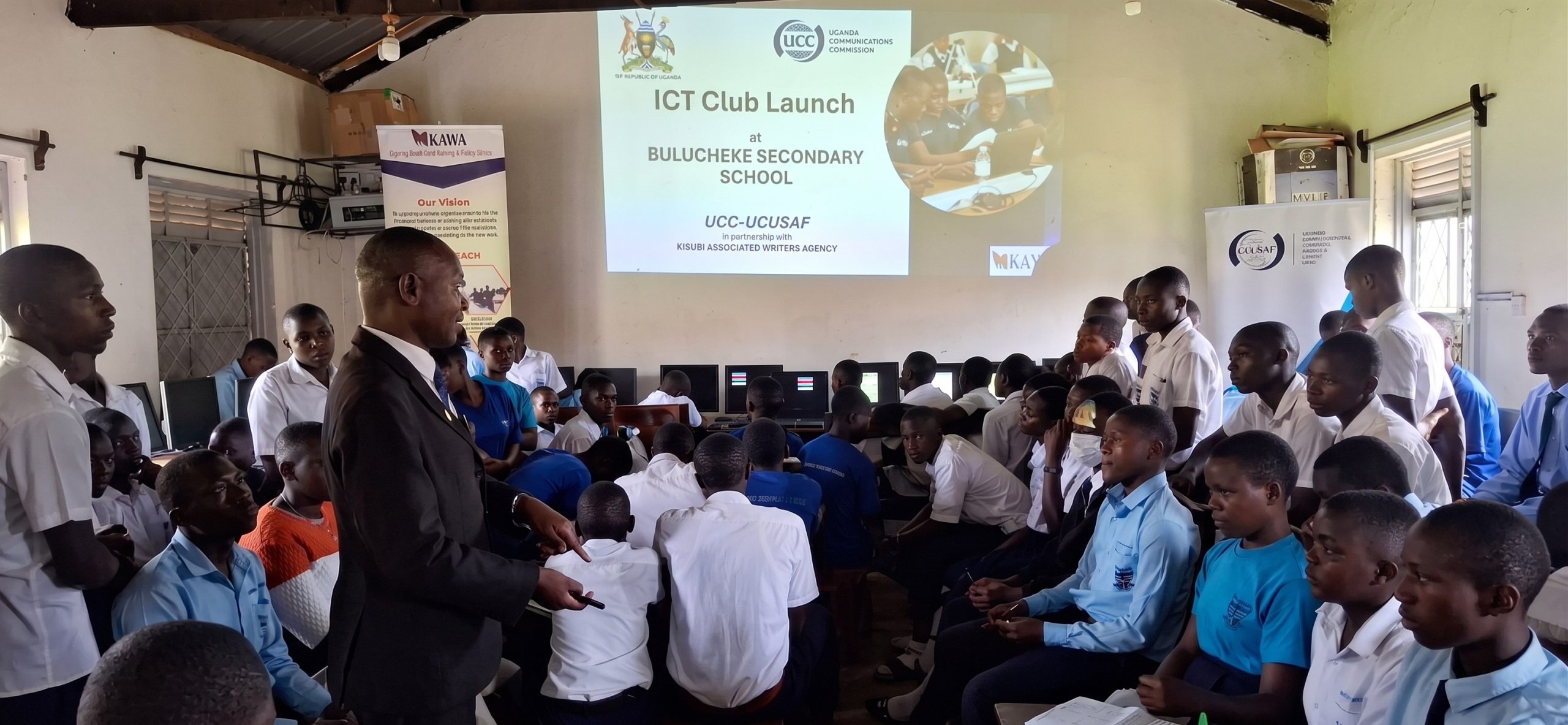
- Run ICT clubs.
- Offer computer training.
- Build a professional school website.
- Improve reporting and accountability.
A school with good digital systems looks more organised and trustworthy. Parents are more likely to support a school that communicates clearly and manages information professionally.
KAWA encourages private school owners to see ICT not only as a subject, but as a management tool, a teaching tool and a revenue-support tool.
Conclusion: Sustainable Schools Need Both Income and Discipline
Private schools can no longer depend only on traditional school fees. The cost of running a school is increasing, parent income is uncertain, competition is growing and quality expectations are higher than before. Schools must therefore diversify revenue while improving financial management.
But revenue generation must be done wisely. A school should not turn into a marketplace. Every income-generating activity should support the school’s mission, protect learners, respect parents and strengthen education quality.
The most sustainable private schools will be those that combine:
- Clear vision.
- Strong enrolment strategy.
- Fair and professional fee collection.
- Multiple income streams.
- Good budgeting.
- Transparent records.
- Cost control.
- Teacher stability.
- Parent trust.
- Digital systems.
- Quality learning.
A financially healthy school is not one that charges the highest fees. It is one that plans well, spends wisely, communicates clearly, protects its reputation and continuously improves the value it gives to learners and parents.
For private school owners who are struggling, the solution begins with honest diagnosis. Know your numbers. Seal the leakages. Improve your systems. Build trust with parents. Add new income streams carefully. Invest in quality. Then the school can move from financial pressure to long-term stability and growth.
Private education remains an important partner in Uganda’s development. With better revenue generation and stronger financial management, private schools can continue serving communities, supporting teachers and preparing learners for the future.




Leave a Reply
You must be logged in to post a comment.