
ICT integration training for teachers has become one of the most important pillars for improving the quality of education in Uganda. Through the use of KAWA CONNECT, KAWA Uganda has taken a deliberate and practical approach to teacher professional development, recognising that teachers are the engine that drives learning transformation. By focusing on on-the-job training, contextualised content, and sustained support, KAWA Uganda’s programs are helping teachers move beyond basic computer use to meaningful integration of ICT into everyday teaching and learning.
Teacher Professional Development and Support is central to KAWA Uganda’s education strategy. The decision to implement structured professional development programs directly in Ugandan schools responds to the real conditions teachers face: limited time, varied digital skills, and differing school contexts. These programs are designed not only to introduce new knowledge, but to strengthen teachers’ confidence, pedagogy, and ability to engage learners effectively. When implemented well, such programs have a direct impact on student achievement and overall school performance.
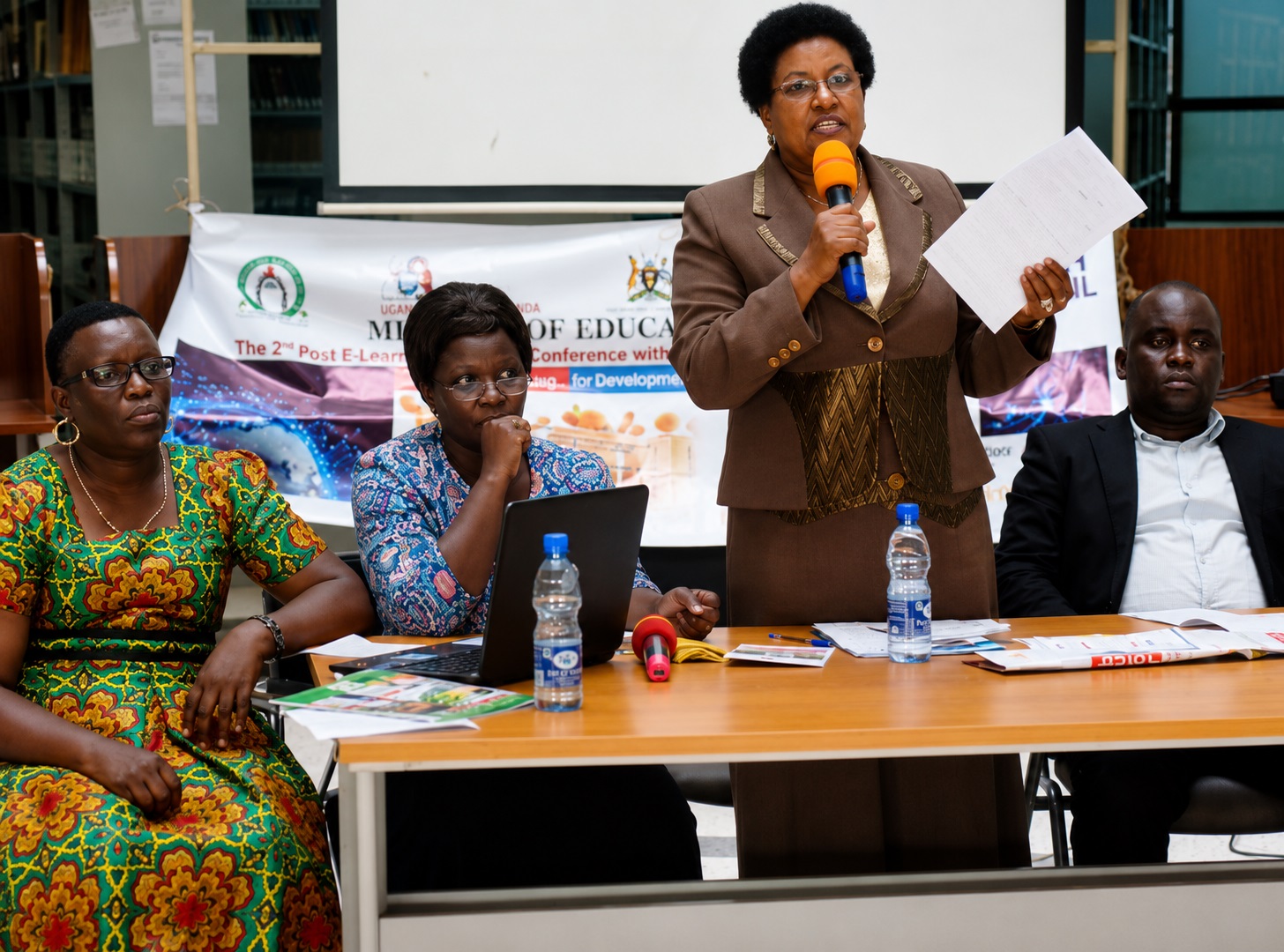
A defining feature of KAWA Uganda’s ICT integration training is its emphasis on on-the-job Teacher Professional Development (TPD). This approach allows teachers to learn while teaching, applying new skills immediately in their classrooms. Instead of separating training from practice, teachers are encouraged to experiment with ICT tools, digital content, and learner-centred methods in real time. This immediate application leads to better lesson delivery, more engaging classrooms, and faster professional growth, while also enabling teachers to reflect on their practice and adjust their methods based on learner response.
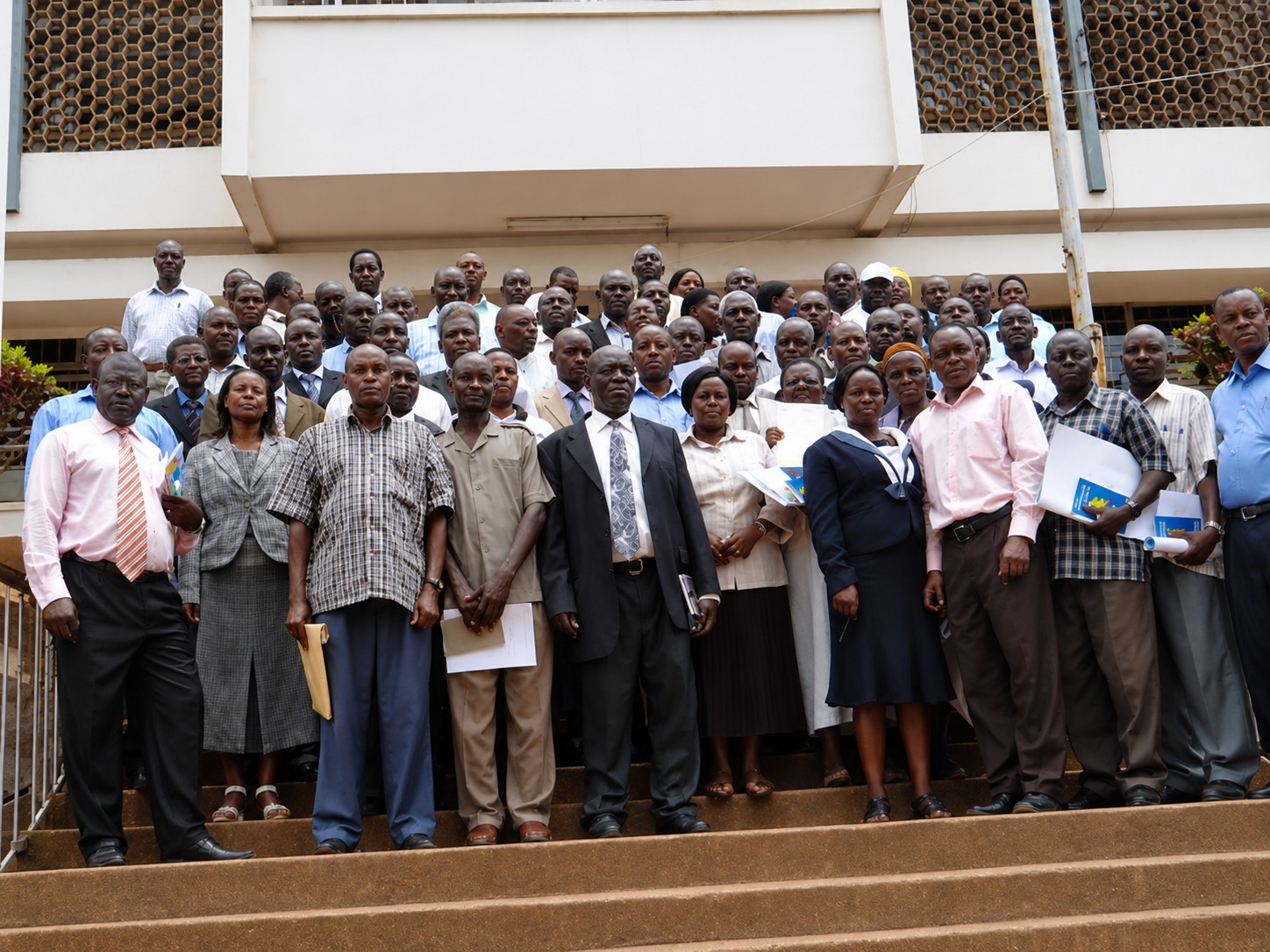
On-the-job TPD also promotes collaboration and peer learning among teachers. Through school-based sessions, communities of practice, and shared reflection, teachers exchange ideas, challenges, and best practices. This collaborative environment strengthens professional relationships, builds a supportive school culture, and improves the overall quality of teaching. Teachers also gain exposure to new perspectives through networking with educators from other schools, which enriches classroom practice and encourages innovation.
Another major strength of KAWA Uganda’s approach is flexibility and relevance. On-the-job ICT integration training is tailored to the specific needs of each school and teaching context. Whether a school is rural or urban, primary or secondary, connected or offline, training content is adapted to address real challenges and opportunities. This ensures that professional development is not generic, but directly aligned with classroom realities and school priorities.
Importantly, sustained teacher support has a positive impact on teacher retention. In Uganda, teacher attrition remains a major challenge, often driven by limited professional growth opportunities and lack of support. By providing continuous training, mentoring, and practical tools through KAWA CONNECT, teachers feel valued and empowered, increasing their commitment to the profession and improving stability in schools.
The ICT in Education Course for teachers in Uganda implemented through KAWA CONNECT is grounded in the Contextualised UNESCO ICT Competency Framework. The course focuses on building competencies that enable both educators and learners to use Information and Communication Technology to improve teaching, learning, research, and communication. This framework positions ICT not merely as a technical skill, but as a driver of improved learner outcomes, higher engagement, and inclusive access to education, supporting the broader development of knowledge-based economies.
The vision of the course is to work with teachers and leaders across schools, ministries, and education organisations to advance knowledge society development across all learning institutions. Its objectives include equipping teachers and education administrators with a strong understanding of the key elements that underpin knowledge societies, and building future leaders’ capacities to act as agents of change within their schools, organisations, and regions.
The training explores the pivotal role of education in knowledge society development and examines how ICT integration can enhance both the quality of teaching and equality of access to learning opportunities. Teachers learn how to apply leadership skills, futures thinking, and policy awareness to education and development challenges within their own contexts, while appreciating the transformative role of digital technologies.
The module goals emphasise practical competence. Teachers are required to demonstrate the ability to use ICT in education management, teaching, and learning processes in ways that improve academic standards and operational efficiency. The course runs over five months using a blended approach that combines online learning, offline study through KAWA CONNECT, and three face-to-face sessions, ensuring accessibility and depth regardless of connectivity constraints.
Instruction is delivered by a multidisciplinary team of experienced educators, technologists, and academic leaders, bringing together expertise from engineering, education leadership, ICT, and teacher training. This diversity ensures that participants receive balanced input that connects technology, pedagogy, leadership, and classroom practice.
By the end of the program, teachers develop a deep understanding of the transformative role of technology in both formal and informal education. They explore how knowledge societies trigger educational change, understand the concepts of digital divide and digital inclusion, and examine how ICT has reshaped the world of work. Teachers also learn how teaching in the digital age must evolve to meet the needs of 21st-century learners, including the use of blended learning models and communities of practice.
Teachers are further equipped with skills to locate and use high-quality e-resources through web portals and offline repositories, ensuring that rich reference materials are accessible even in low-connectivity environments. This directly strengthens lesson preparation, learner research, and independent study.
The teacher professional development topics covered under KAWA CONNECT are broad and learner-focused. They include using ICT to enhance learning, active engagement techniques, assessment for learning, behaviour management, lesson planning and delivery, inclusion and special educational needs, child protection, and maintaining clean and safe learning environments. Teachers also explore learner-centred teaching, learning styles, lesson design for inclusion and lower attainers, and effective parent and community engagement.
In conclusion, ICT integration training for teachers in Uganda, delivered through KAWA CONNECT, represents a powerful model for sustainable education reform. By grounding professional development in classroom practice, aligning it with global frameworks, and adapting it to local realities, KAWA Uganda is enabling teachers to become confident, innovative, and impactful educators. This approach not only strengthens teaching quality, but also ensures that learners across Uganda benefit from engaging, inclusive, and future-ready education.


Leave a Reply
You must be logged in to post a comment.