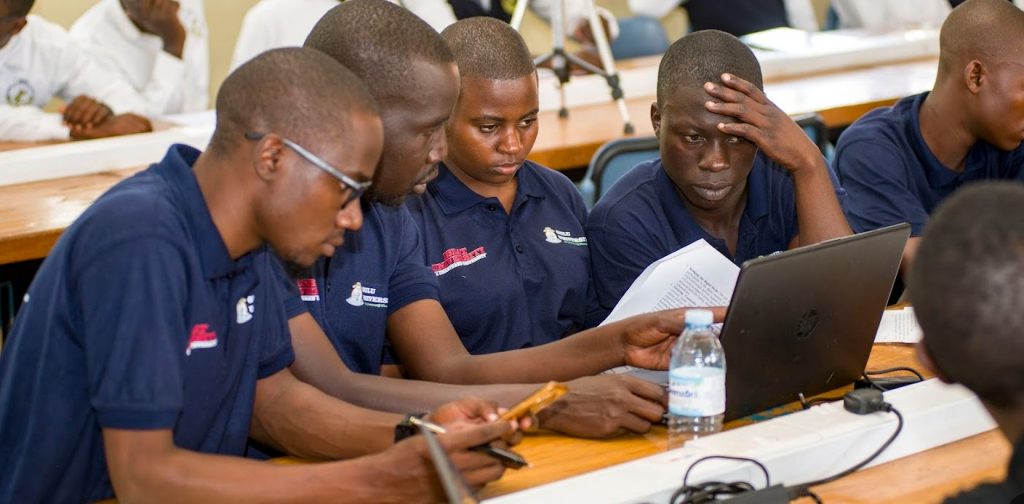
Today, 5 November 2026, Uganda joins the international community in commemorating the International Day Against Violence and Bullying at School, Including Cyberbullying. The day reminds educators, parents, learners, policymakers and technology providers that every child has the right to learn in an environment free from fear, humiliation, discrimination and abuse.
As Uganda continues to embrace digital transformation in education, protecting children must extend beyond classrooms, playgrounds and school compounds to include the digital spaces where they learn, communicate and interact.
The Ministry of ICT and National Guidance, through its public awareness message, has emphasised the importance of responsible digital citizenship, online child protection and building a safer, more inclusive digital society.
The Ministry’s message is particularly relevant at a time when more Ugandan learners are accessing educational resources through smartphones, computers, tablets and internet-connected learning platforms.
1. Understanding Bullying and Cyberbullying in Schools
Bullying is repeated aggressive behaviour involving a real or perceived imbalance of power, intended to hurt, intimidate or humiliate another person.
It can take several forms:
- Physical bullying: Hitting, pushing, damaging property or physically threatening another learner.
- Verbal bullying: Insults, name-calling, threats and repeated humiliating remarks.
- Social bullying: Deliberately excluding others, spreading rumours or damaging someone’s reputation.
- Cyberbullying: Using digital technologies to threaten, embarrass, harass or intimidate another person.
Cyberbullying may occur through WhatsApp groups, social media platforms, online games, messaging applications and other digital communication channels.
For example, sharing an embarrassing photograph of a fellow learner without permission, repeatedly sending threatening messages or creating an online group to ridicule another learner can cause serious emotional and psychological harm.
Unlike traditional bullying, cyberbullying can follow children beyond school hours and reach a much wider audience.
2. Why Digital Safety Matters in Uganda’s Education System
Uganda’s education sector is increasingly integrating Information and Communication Technology into teaching, learning, school administration and communication.
Digital learning creates valuable opportunities for learners to access educational materials, collaborate, develop practical skills and explore new knowledge.
However, these opportunities must be accompanied by appropriate safeguards.
Schools need to help learners understand:
- How to protect their personal information.
- Why passwords and account security matter.
- How to recognise harmful or suspicious online behaviour.
- Why sharing photographs and personal information requires care and consent.
- How to report cyberbullying and online harassment.
- How to communicate respectfully in digital spaces.
Digital literacy is incomplete without digital responsibility and online safety.
A learner who knows how to operate a computer should also understand how to use technology safely, ethically and respectfully.
3. The Role of Teachers and School Leaders
Teachers and school administrators have a responsibility to create learning environments where children feel protected, respected and supported.
Schools should establish clear procedures for preventing, identifying and responding to bullying.
Practical measures include:
Developing school anti-bullying policies: Every school should have understandable rules against bullying, harassment and discrimination.
Creating safe reporting channels: Learners should know whom to approach when they experience or witness bullying.
Training teachers: Teachers need practical skills to identify warning signs, respond sensitively and refer serious cases to appropriate child protection services.
Promoting positive behaviour: Schools should integrate respect, empathy, cooperation and responsible communication into everyday learning activities.
Engaging parents: Parents and guardians should be informed about digital risks and encouraged to communicate regularly with their children.
Importantly, learners who report bullying should be listened to without blame or intimidation.
4. The Role of Parents and Guardians
Child protection does not end at the school gate.
Parents and guardians play an essential role in helping children navigate digital environments.
They can support online safety by discussing their children’s digital experiences, setting age-appropriate boundaries and encouraging responsible use of phones and computers.
Parents should also watch for possible warning signs, including sudden withdrawal from friends, reluctance to attend school, anxiety after using a phone or unexplained changes in behaviour.
Rather than immediately punishing children for reporting online problems, adults should create an atmosphere of trust where children feel comfortable seeking help.
- Every Child Deserves a Safe School: Uganda Marks International Day Against Violence, Bullying and Cyberbullying
- St. Cyprian High School Kyabakadde Embraces Digital Learning Through KAWA CONNECT Partnership
- Is Your School Living Its Values? A Practical Guide to Reviewing School Philosophy
- Building a School With Purpose: Turning Vision, Mission and Core Values Into Better Leadership and Learning
- Putting It All Together: An Example of a Complete School Philosophy
5. How KAWA ICT Clubs Can Promote Safer Digital Learning
At Kampala African Women and Youth Development Association (KAWA), we recognise that digital transformation in education must go hand in hand with child protection and responsible technology use.
Through KAWA’s ICT Clubs initiative, schools have opportunities to integrate online safety and responsible digital citizenship into practical ICT learning activities.
ICT Club patrons and student leaders can organise:
- Cyberbullying awareness discussions and school assemblies.
- Learner-led campaigns promoting respectful online communication.
- Digital safety posters, animations and short educational videos.
- Practical lessons on passwords, privacy and safe internet use.
- Peer-support activities encouraging learners to report harmful behaviour.
- School projects demonstrating how technology can solve community challenges.
These activities can help transform ICT Clubs into centres for responsible innovation, digital leadership and positive behaviour.
A successful ICT Club should not only produce learners who can use technology, but also young people who understand the responsibilities that come with digital participation.
6. KAWA CONNECT: Supporting Responsible Digital Education
Through KAWA CONNECT, our curriculum-aligned digital learning initiative, KAWA is working to make educational resources accessible to schools and communities, including those with limited internet connectivity.
KAWA CONNECT supports offline access to learning materials through computers, smartphones and other compatible devices.
Offline learning can reduce the need for continuous internet connectivity, but it does not eliminate every digital safety risk.
As digital education expands, KAWA encourages schools to combine access to learning resources with clear safeguarding procedures, appropriate content selection, teacher supervision and learner guidance.
Digital learning should empower children without compromising their safety, privacy or dignity.
7. What Learners Should Do When Experiencing Cyberbullying
Every learner should understand that experiencing bullying is not something to be ashamed of.
If you are being bullied online:
- Do not retaliate. Avoid responding with insults or threats.
- Keep evidence. Save relevant messages or screenshots safely, where appropriate.
- Report the behaviour. Inform a trusted teacher, parent, guardian or designated safeguarding officer.
- Block harmful accounts. Use reporting and blocking tools where available.
- Protect your privacy. Avoid sharing passwords, private photographs or sensitive personal information.
- Seek support. Speak to a trusted adult if the experience is affecting your wellbeing.
When a child faces immediate danger, threats of violence or sexual exploitation, adults should promptly seek assistance from the appropriate child protection authorities.
In Uganda, children and concerned adults can also seek guidance through the Child Helpline 116.
8. A Call to Action for Ugandan Schools
As Uganda commemorates this important international day, KAWA calls upon school leaders, teachers, ICT Club patrons, parents, learners and education partners to make online safety a practical part of everyday education.
Schools should not wait until a serious bullying incident occurs before introducing preventive measures.
Every school can begin by reviewing its safeguarding procedures, educating learners about cyberbullying, establishing trusted reporting channels and encouraging positive digital behaviour.
Our message is simple:
Every child deserves to feel safe in the classroom, on the playground, at home and online.
Technology should open doors to knowledge, creativity and opportunity — never become a tool for intimidation, exclusion or harm.
9. KAWA’s Commitment to Safer Digital Learning
KAWA remains committed to promoting meaningful ICT integration, digital literacy, teacher capacity building and responsible technology use in Ugandan schools.
Through our educational programmes, ICT Clubs and KAWA CONNECT, we encourage schools to develop learners who are not only digitally competent but also responsible, respectful and aware of their rights and responsibilities.
On this International Day Against Violence and Bullying at School, Including Cyberbullying, we reaffirm the importance of working together to build safer, more inclusive learning environments for every Ugandan child.
Together, we can make our schools safer and our digital future brighter.
-

Every Child Deserves a Safe School: Uganda Marks International Day Against Violence, Bullying and Cyberbullying
Today, 5 November 2026, Uganda joins the international community in commemorating the International Day Against Violence and Bullying at School, Including Cyberbullying. The day reminds educators, parents, learners, policymakers and technology providers that every child has the right to learn in an environment free from fear, humiliation, discrimination and abuse. As Uganda continues to embrace…
-
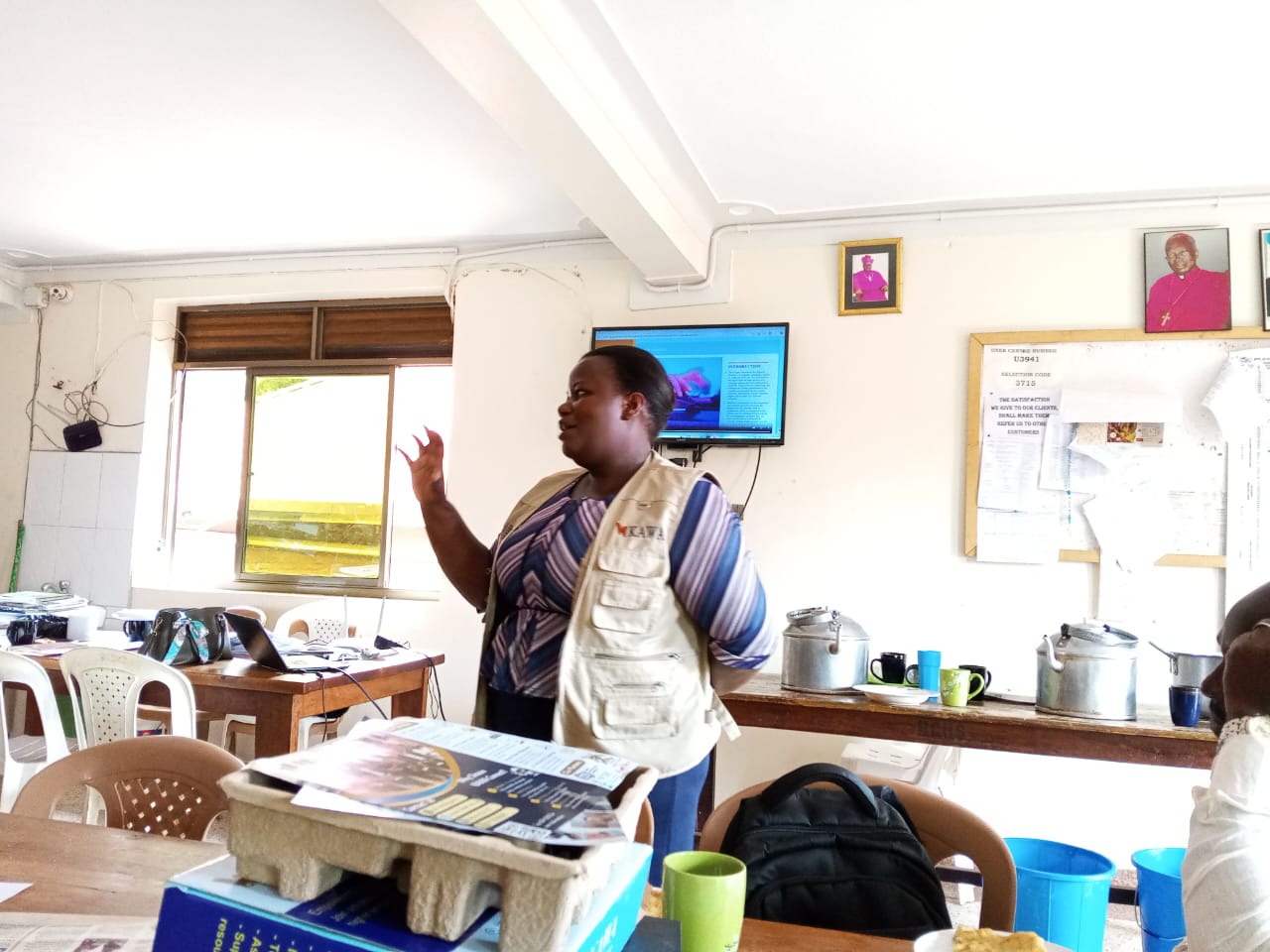
St. Cyprian High School Kyabakadde Embraces Digital Learning Through KAWA CONNECT Partnership
School visit: St. Cyprian High School Kyabakadde, Mukono District, Uganda. A New Chapter in Digital Education MUKONO, UGANDA — 2 November 2026. St. Cyprian High School Kyabakadde has taken a significant step towards strengthening digital education following a visit by a team from KAWA Uganda, led by Ms. Rebecca Auma, on Monday, 2 November 2026.…
-
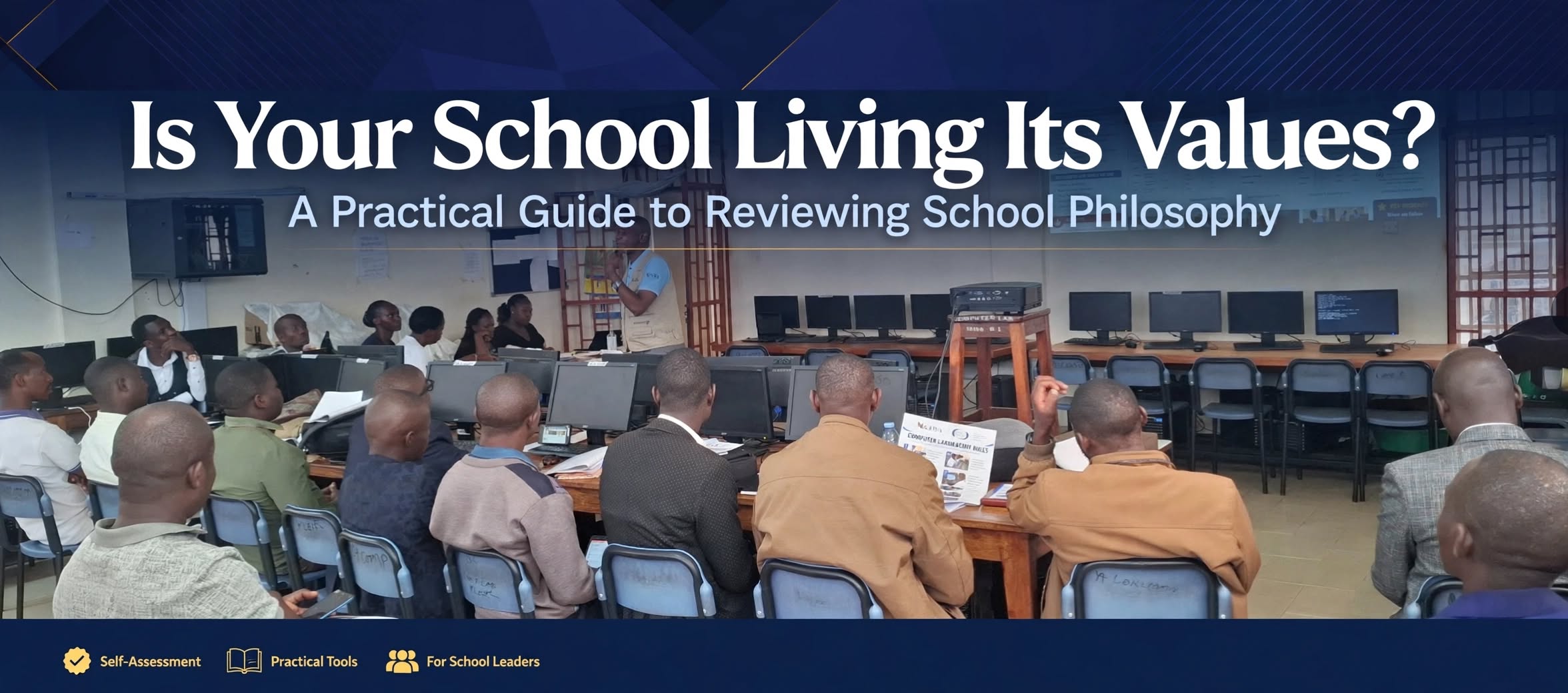
Is Your School Living Its Values? A Practical Guide to Reviewing School Philosophy
A school’s vision, mission and core values should be visible in the experiences of its learners, staff and families. Reviewing implementation helps school leaders establish whether their commitments are shaping teaching, management and everyday relationships. A school may have a beautifully painted vision at its entrance, a mission statement in its prospectus and core values…