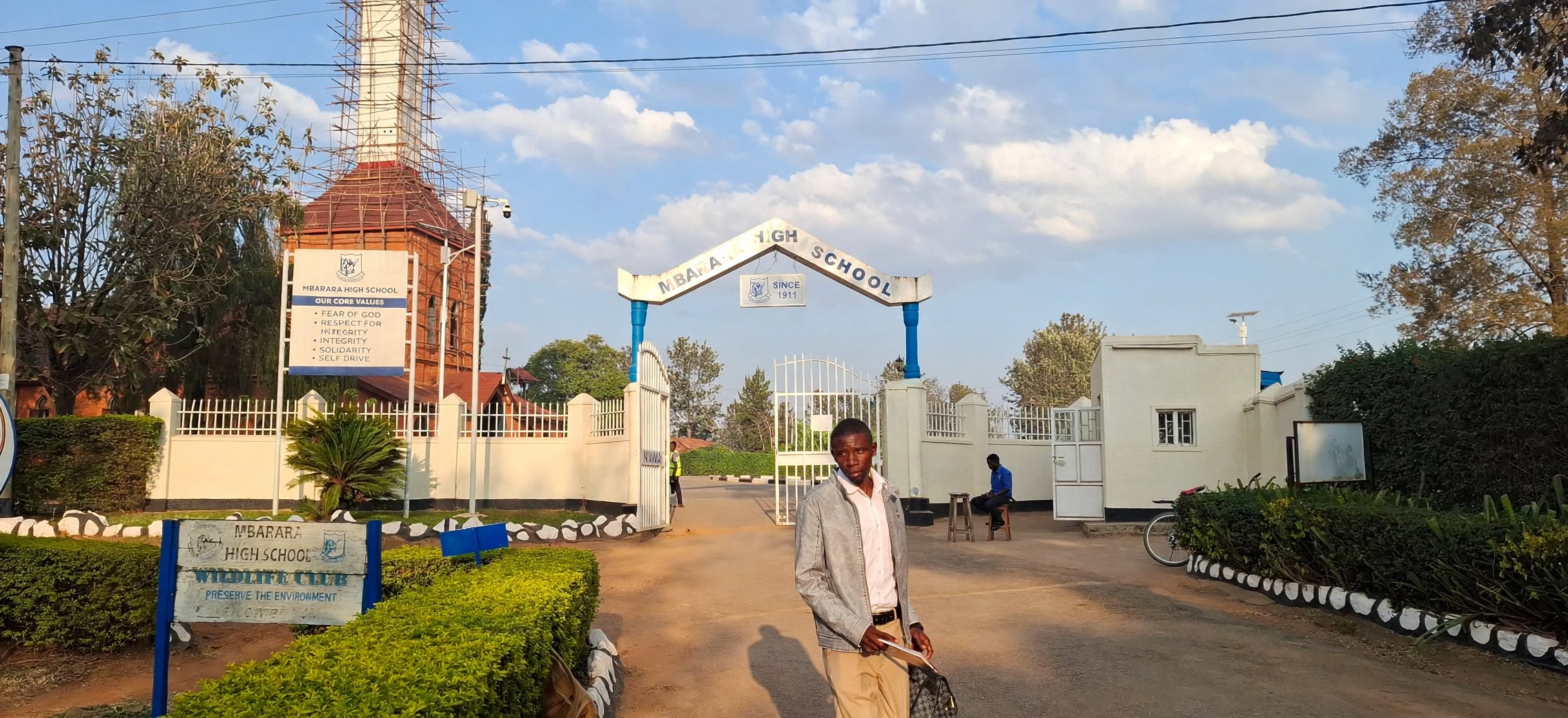
A complete school philosophy should connect the future the school seeks with its educational purpose, expected behaviour and improvement priorities.
The following KAWA training example illustrates how these elements can work together. Schools should adapt it through consultation, considering their learners, community, resources and governance arrangements. It is not prescribed Ministry wording.
Vision
A safe, inclusive and innovative school community developing responsible, skilled and confident learners who contribute to national development.
This vision describes both the learning environment the school seeks to create and the qualities it wants learners to develop.
Mission
To provide quality, learner-centred education through effective teaching, practical learning, inclusive support, responsible leadership and active partnership with families and the community.
This mission explains the school’s continuing educational work. Each commitment should influence planning, resource allocation and everyday practice.
Core Values
| Value | Our commitment |
| Integrity | We act honestly, keep accurate records and account for our decisions and resources. |
| Respect | We protect everyone’s dignity, listen considerately and treat people fairly. |
| Responsibility | We fulfil our duties and care for people, property and the environment. |
| Excellence | We prepare thoroughly, welcome constructive feedback and improve continuously. |
| Inclusion | We identify barriers and create meaningful opportunities for every learner to participate and progress. |
| Innovation | We investigate problems, apply knowledge creatively and improve our approaches through testing and feedback. |
| Service | We use our knowledge, skills and time to support others and contribute to our community and country. |
These commitments apply to school leaders, teachers, support staff and learners. Their meaning should be explained through examples appropriate to each person’s responsibilities.
Strategic Goals
During its agreed planning period, the school will pursue the following goals:
| Strategic goal | Intended direction of improvement |
| 1. Improve teaching quality and learner achievement. | Strengthen lesson preparation, learner participation, assessment feedback and support for learning. |
| 2. Strengthen learner safety, wellbeing and inclusion. | Improve supervision, support systems, accessibility and responses to barriers affecting participation. |
| 3. Develop competent and professional staff. | Provide relevant professional learning, mentorship and constructive performance support. |
| 4. Improve infrastructure and learning resources. | Prioritise safe, accessible facilities and suitable materials, with arrangements for maintenance. |
| 5. Expand practical learning, ICT and innovation. | Create purposeful opportunities to investigate, apply knowledge, develop skills and use appropriate technology. |
| 6. Strengthen leadership, accountability and financial sustainability. | Improve planning, recordkeeping, oversight, resource management and follow-up of decisions. |
| 7. Improve parent and community participation. | Strengthen communication, consultation and partnerships that support learners. |
These goals establish broad priorities. Each should be translated into measurable objectives, activities, responsibilities, timelines and budgets through the school’s planning processes.
Check That the Elements Work Together
Before approving the philosophy, the school community should examine the connections between its statements.
For example, if the vision promises an inclusive school community, the mission should explain how learners will be supported, the values should guide fair treatment, and the strategic goals should address barriers to participation.
Similarly, a commitment to innovation should lead to opportunities for teachers and learners to investigate problems and test improvements. These opportunities should receive suitable time, materials and support.
Every major commitment should have a practical expression that the school community can recognise.
14. Checking the Connections: The School Philosophy Alignment Matrix
An alignment matrix helps school leaders examine whether the school’s philosophy connects to wider educational aspirations and translates into daily practice.
It brings together five questions:
- What element of the philosophy are we examining?
- What has the school committed to?
- Which wider educational or national aspiration does it support?
- What should happen in school because of that commitment?
- What evidence would help us assess implementation?
The matrix below is an illustrative planning tool. The alignment themes summarise broad educational and development aspirations; they are not quotations from Ministry policy or an official inspection scoring framework.
| Philosophy element | Illustrative school statement | Related educational or national direction | Expected school practice | Possible evidence |
| Vision | A safe, inclusive and innovative school community developing responsible, skilled and confident learners. | Quality education, participation, skills and contribution to national development. | Long-term priorities address learning, safety, inclusion and learner development. | School Development Plan (SDP), strategic reviews, learner feedback and progress reports. |
| Mission | Provide learner-centred education through effective teaching, practical learning and partnership with families. | Educational quality, effective learning and community participation. | Teachers check understanding, provide practical activities and work with families to support learners. | Lesson plans, learner work, support records, observations and parent-engagement records. |
| Core values | Act with integrity, respect, responsibility, excellence, inclusion, innovation and service. | Dignity, fairness, accountability and responsible citizenship. | Adults and learners demonstrate agreed behaviours; leaders apply expectations consistently. | Codes of conduct, observations, feedback, appraisal discussions and action follow-up. |
| Strategic goals | Improve teaching, learner wellbeing, staff development, resources and school management. | Educational improvement, skills development and effective use of resources. | Priorities become funded activities with responsibilities, timelines and review arrangements. | SDP, School Improvement Plan (SIP), budget, implementation records and progress reviews. |
Make the Matrix Specific to Your School
Replace the illustrative statements with the school’s approved wording. Then identify the practices that should follow from each commitment.
Avoid entries that are too general to review. For example, “promote inclusion” becomes more useful when the school identifies a particular barrier, the response required and the evidence it will examine.
A school experiencing low participation in practical science might record:
| Commitment | Identified gap | Agreed action | Evidence to review |
| Meaningful participation for every learner. | Some learners have few opportunities to handle equipment during group activities. | Introduce rotating practical roles and adapt activities where support is needed. | Lesson observations, learner feedback and individual practical work. |
This makes the relationship between values and improvement easier to assess.
Use the Matrix During Planning and Review
The management team can use the matrix when preparing plans and budgets. Departments can use it to examine teaching and learner support. The governing body can use it to question whether reported progress reflects the school’s agreed priorities.
During review, ask:
What practice demonstrates this commitment? What evidence supports our judgement? What needs to improve, and who will follow it up?
Documents should be considered alongside observations and feedback. A plan shows intention; the experiences and progress of learners help reveal how that intention is being fulfilled.
-
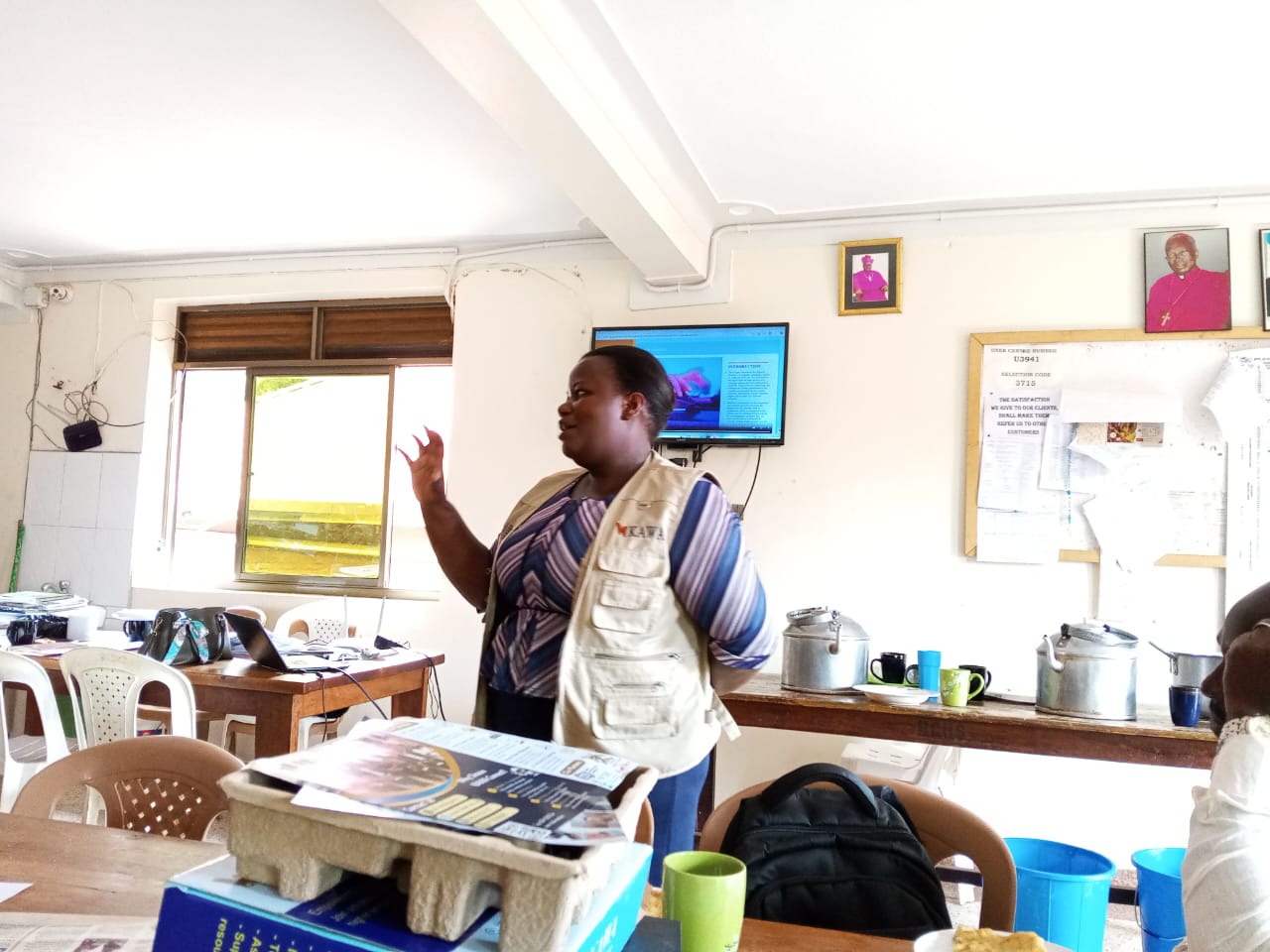
St. Cyprian High School Kyabakadde Embraces Digital Learning Through KAWA CONNECT Partnership
School visit: St. Cyprian High School Kyabakadde, Mukono District, Uganda. A New Chapter in Digital Education MUKONO, UGANDA — 2 November 2026. St. Cyprian High School Kyabakadde has taken a significant step towards strengthening digital education following a visit by a team from KAWA Uganda, led by Ms. Rebecca Auma, on Monday, 2 November 2026.…
-
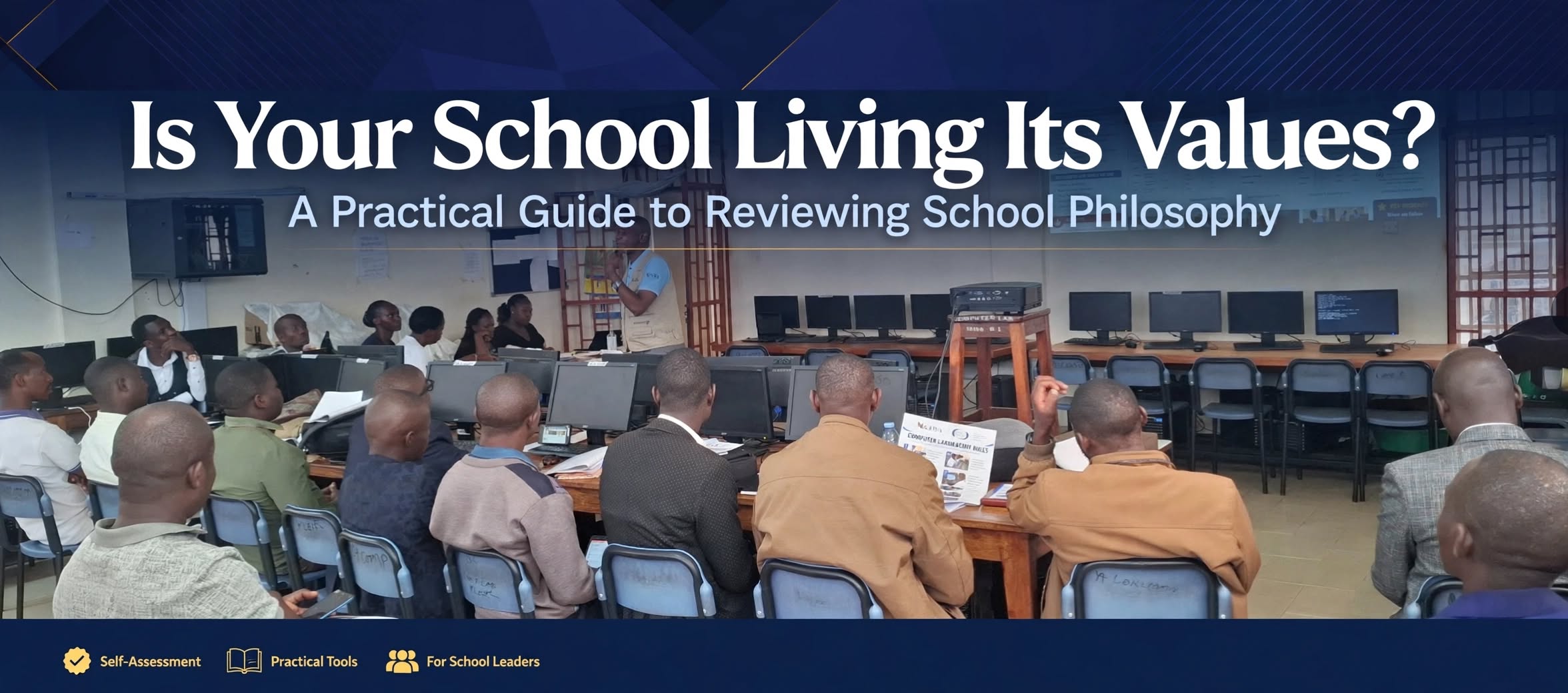
Is Your School Living Its Values? A Practical Guide to Reviewing School Philosophy
A school’s vision, mission and core values should be visible in the experiences of its learners, staff and families. Reviewing implementation helps school leaders establish whether their commitments are shaping teaching, management and everyday relationships. A school may have a beautifully painted vision at its entrance, a mission statement in its prospectus and core values…
-
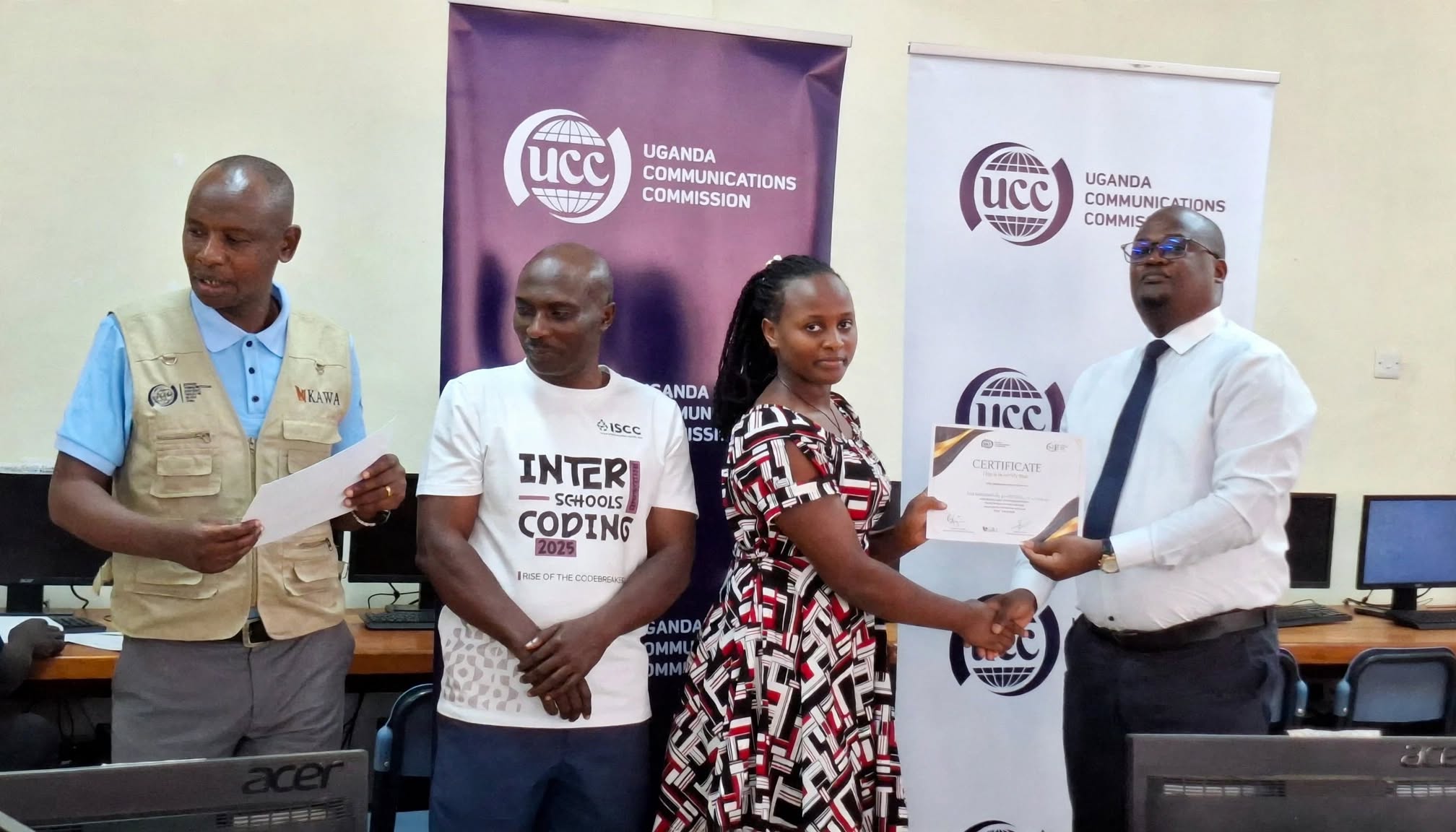
Building a School With Purpose: Turning Vision, Mission and Core Values Into Better Leadership and Learning
The Role of the SMC or BOG: Providing Direction and Oversight The School Management Committee (SMC) or Board of Governors (BOG) helps ensure that the school philosophy provides a clear and appropriate direction for the institution. Within its mandate and the school’s governance arrangements, it should oversee the development or review of the vision, mission,…