
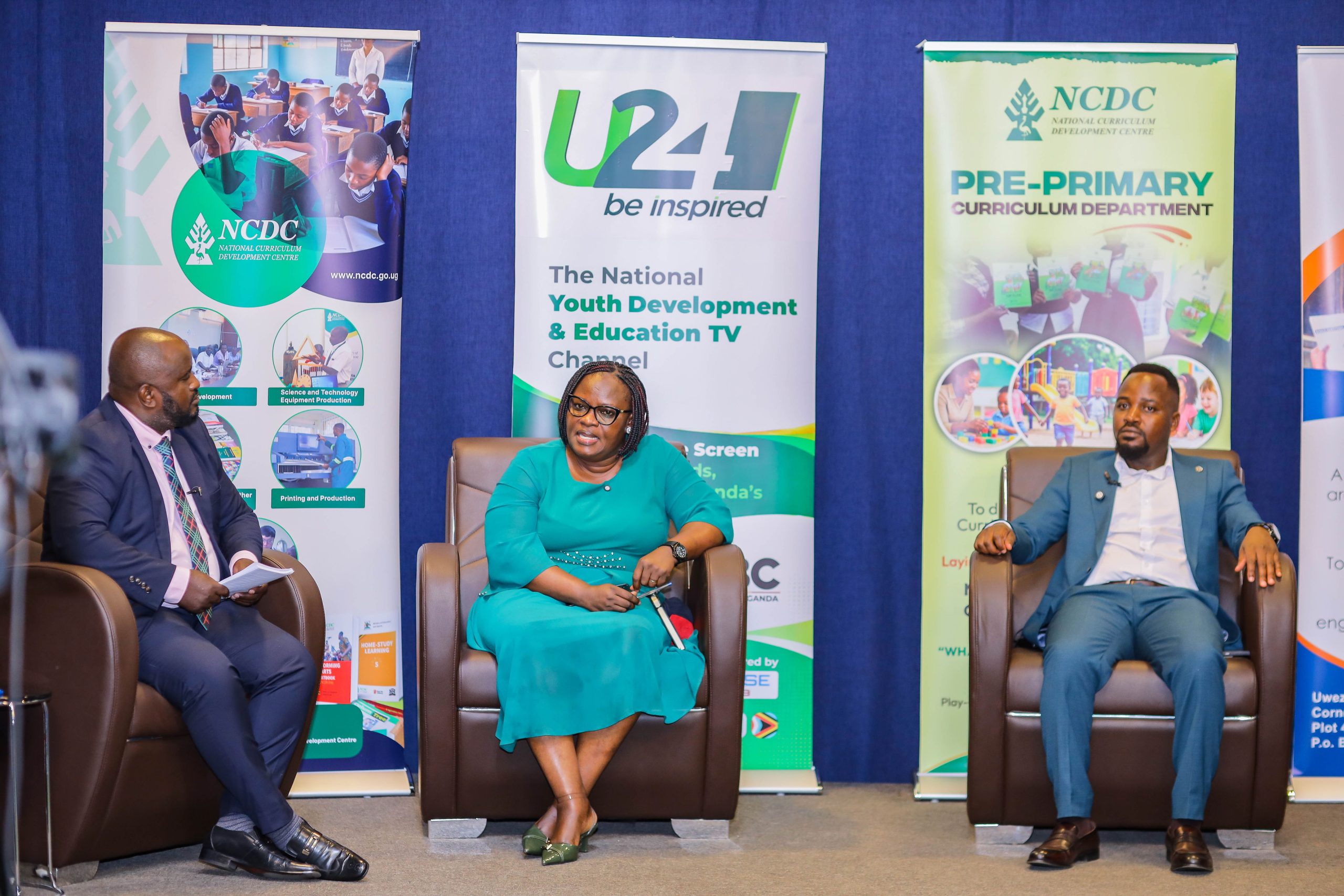
On October 20, I travelled from Jinja to the Uganda Broadcasting Corporation auditorium in Kampala to represent KAWA Uganda at the launch of an education partnership involving the Ministry of Education and Sports, the National Curriculum Development Centre and U24TV.
For someone who works with teachers, school leaders and young innovators, the occasion raised an immediate, practical question: how can we use educational television to improve what learners understand and can do?
Across the schools where KAWA works, teachers are finding ways to make learning more practical, engaging and relevant. Yet many still face limited teaching resources, unreliable internet access and few opportunities to demonstrate processes that learners need to see. The partnership offers another way to bring useful educational content into classrooms and homes.
The partnership was formalised on October 20, 2026, through the signing of a Memorandum of Understanding, bringing together curriculum expertise, quality assurance, television broadcasting and content production to support educational programming. The Ministry of Education and Sports was represented by its Permanent Secretary, Dr. Kedrace Turyagyenda; the National Curriculum Development Centre by its Director, Dr. Bernadette Nambi Karuhanga; and the Uganda Broadcasting Corporation by Mr. William Stephen Odoch and Ivan Tumukunde.
Dr. Patrick Muinda, who oversees e-learning and ICT at the Ministry, highlighted that this channel directly supports the Ministry’s Digital Agenda by ensuring continuity in education delivery, fostering teacher professional development, and expanding overall system uptake across the country.
Bringing Learning Closer to Families
Much of the discussion about digital education centres on internet platforms, smartphones and computers. These tools matter, but schools and families also need options that work within their circumstances.
Educational television can provide an additional route to learning without requiring each learner to own a smartphone or purchase mobile data for every lesson. Where a suitable television, electricity and reception are available, a household or school can organise shared viewing.
This opportunity deserves attention, especially in communities where access to online learning remains difficult. However, reaching learners requires more than transmitting a signal. Families need clear programme schedules. Schools need time to prepare. Lessons need to be understandable, appropriately paced and connected to what children are studying.
A well-planned broadcast can give a teacher a demonstration to discuss, a parent a starting point for helping a child, or a learner another explanation of a difficult topic.
Helping Learners See What Textbooks Describe
As a teacher, I know how challenging it can be to explain an unfamiliar process using words and diagrams alone. A learner may memorise a definition while remaining unsure about what actually happens.
A carefully produced video can make the explanation clearer. Animation can show processes too small to observe directly. A filmed demonstration can help learners follow the stages of an experiment. Footage from a farm, workshop or wetland can connect classroom knowledge to familiar activities and environments.
The educational value grows when learners do something with what they have watched.
After a programme on plant growth, for example, a teacher could ask learners to establish a small experiment using seeds and locally available containers. After a lesson on household budgeting, learners could prepare a simple budget and explain their choices. A programme about waste management could lead to an investigation of how rubbish is handled around the school. These activities turn viewing into observation, discussion, investigation and practical application.
Supporting Teachers in Competency-Based Teaching
Teachers will be central to making educational television useful. They understand their learners, recognise where understanding is weak and decide when further explanation or practice is needed.
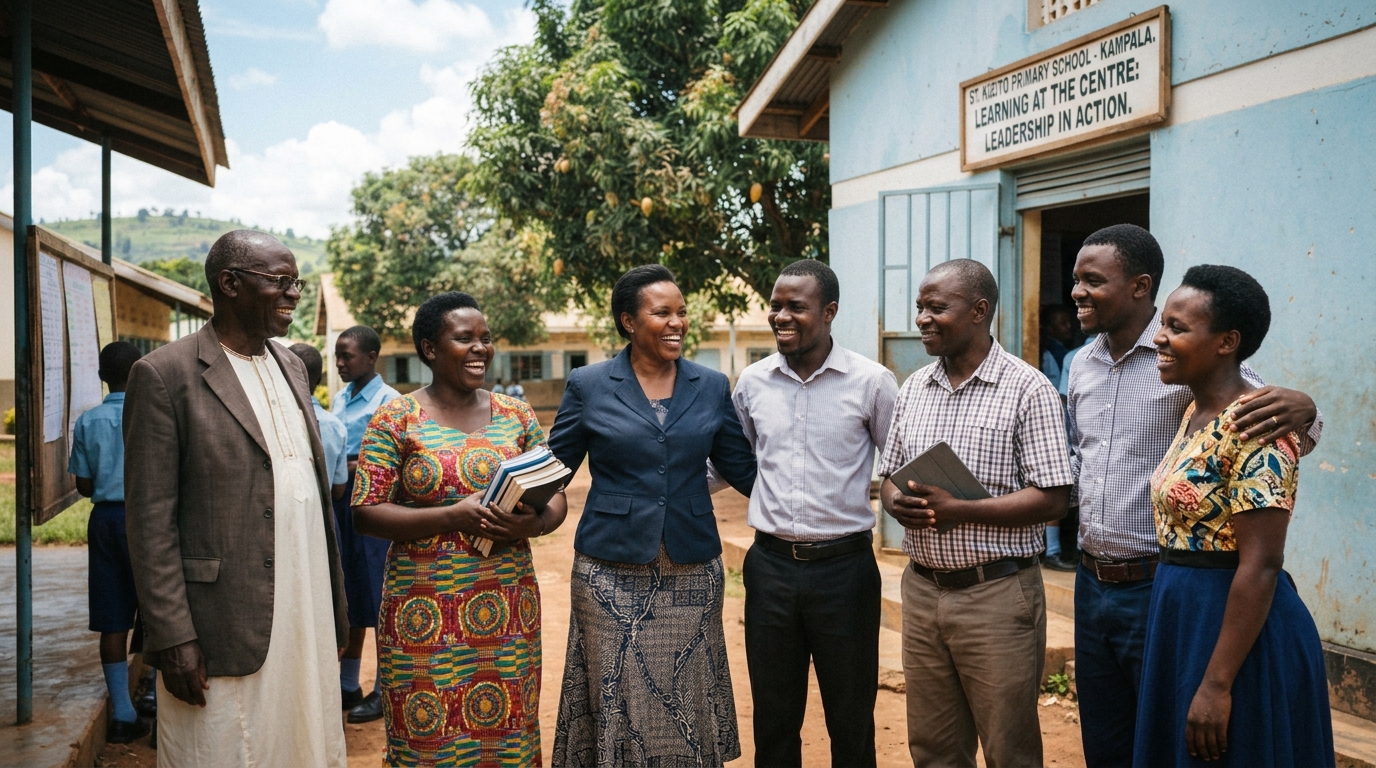
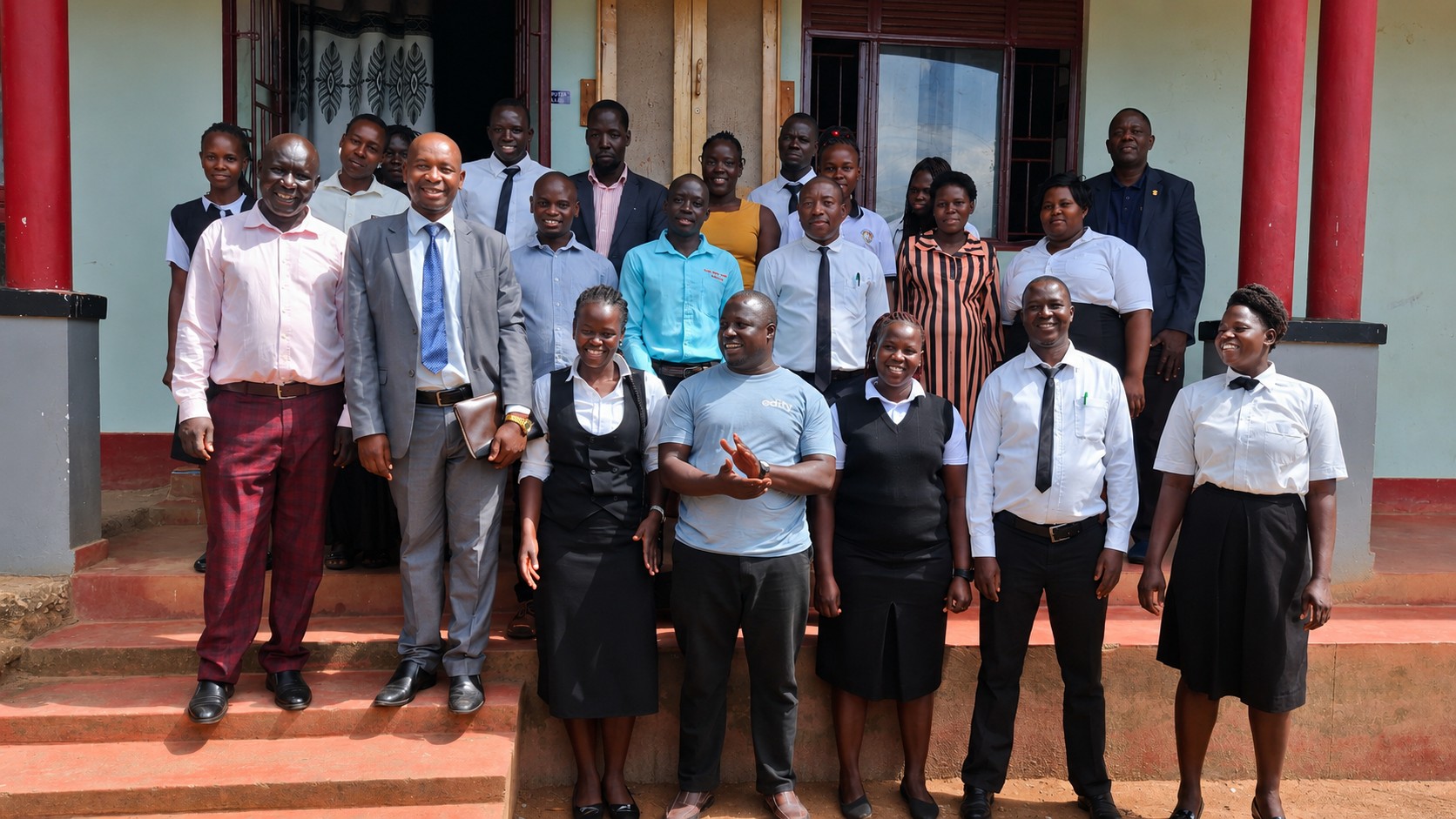
For KAWA, this connects directly with our work in teacher digital training, digital learning resources and school ICT integration. Teachers need opportunities to practise selecting relevant content and building purposeful activities around it.
A simple approach can guide classroom use:
- Before viewing: Introduce the topic and give learners a question to consider.
- During viewing: Ask learners to note an observation, explanation or example.
- After viewing: Organise a discussion, practical task or short assessment.
For instance, a class watching a programme on water conservation could identify the methods demonstrated, compare them with practices at school and propose an improvement. The teacher can then assess learners’ explanations and the reasoning behind their proposals.
Teachers can also watch selected programmes together, discuss the teaching approaches used and adapt useful ideas for their own lessons. This would make broadcasts a resource for professional learning as well as learner support.
Making Room for Ugandan Experiences and Creativity
One discussion at the launch that stayed with me concerned the importance of locally relevant content.
Ugandan learners should encounter their own communities, languages, livelihoods and experiences in educational media. A mathematics lesson can draw on a market transaction. A science programme can investigate soil, water or crops in a familiar setting. An entrepreneurship lesson can follow the decisions of a local business owner.
Familiar examples give learners a starting point from which to understand wider ideas. They also show that knowledge has practical value in the places where children live.
NCDC’s account of the partnership identifies Ugandan culture, local languages, creativity and a Kiswahili segment among the channel’s areas of focus.
There is considerable room here for collaboration among teachers, filmmakers, animators, language specialists and other content creators. Their shared task is to produce material that is accurate, engaging and useful to learners.
An Opportunity for School ICT Clubs
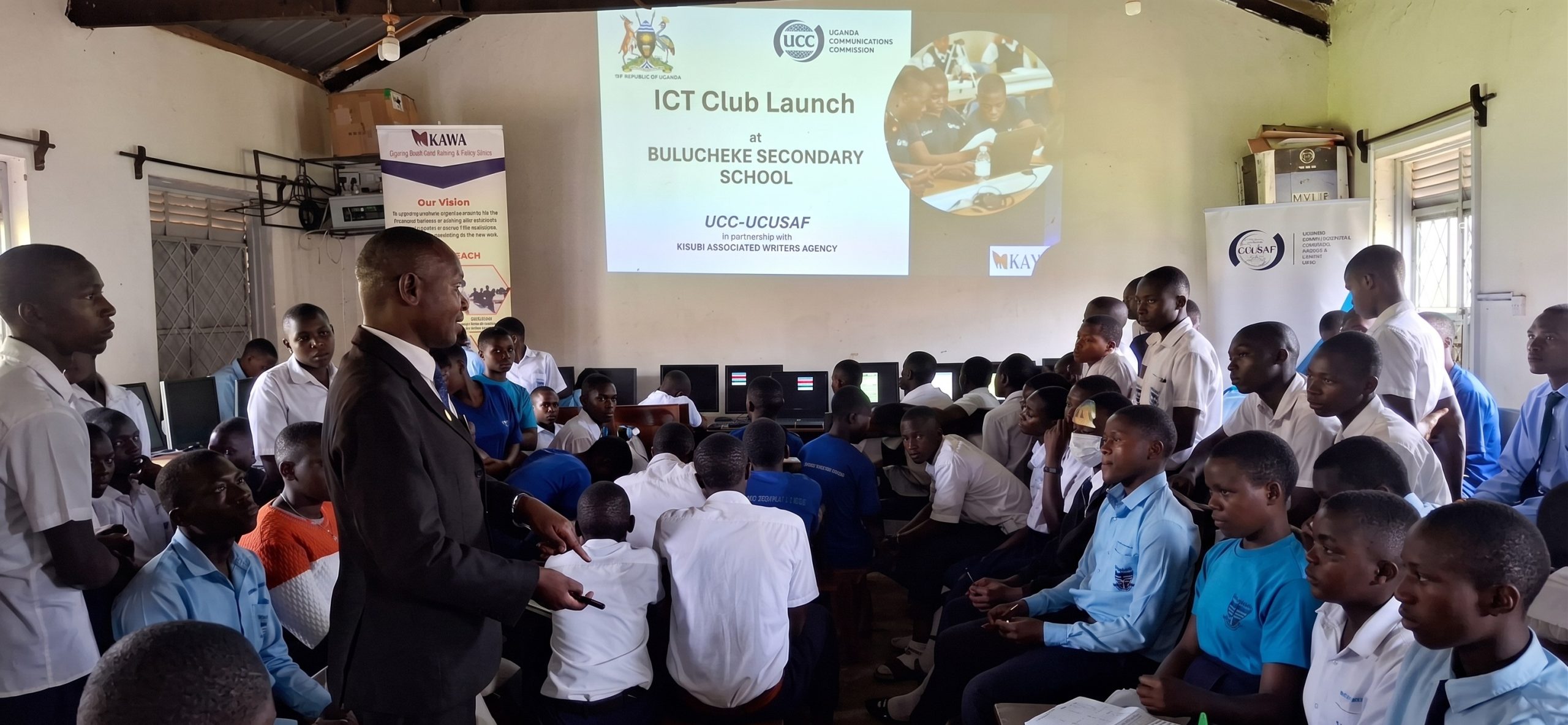
From KAWA’s perspective, educational television also presents an opportunity to give greater visibility to learner innovation. Through ICT Clubs, we see young people identifying problems, developing ideas, building prototypes and learning to explain their work. These experiences deserve a wider audience.
Programmes featuring school projects could help other learners understand how an idea develops: the problem a team noticed, the research it undertook, the difficulties it encountered and the improvements it made.
A useful presentation should explain more than the finished product. It should help viewers understand the thinking and teamwork behind it. Even an unfinished prototype can offer a valuable lesson when learners explain honestly what works and what still needs improvement.
Schools could prepare for such opportunities by helping club members document projects clearly and practise presenting their work in accessible language.
Helping Parents Turn Viewing into Learning
Parents and guardians also have an important role. They do not need to become subject specialists to support purposeful viewing. A parent can help a child identify a relevant programme, prepare a notebook and set aside time to watch. Afterwards, a few questions can encourage reflection:
- What did you learn?
- Which part was difficult to understand?
- Where have you seen something similar?
- What could you try or investigate safely?
These conversations help children explain ideas in their own words. They also give parents a clearer sense of what their children understand and where they may need help.
For younger learners, an adult’s guidance is especially useful in connecting what appears on screen with everyday objects, language and activities.
Building on the Launch
The performance on environmental conservation by pupils of Buganda Road Primary School was a memorable part of the event. It demonstrated how confidently children can communicate an important message when they have opportunities to prepare, participate and express themselves. That spirit should guide the work ahead.
Schools can begin by identifying relevant programmes and planning follow-up activities. Teachers can share feedback on clarity, pacing and curriculum relevance. Content producers can work with educators to strengthen explanations and practical tasks. Parents can help establish purposeful viewing habits at home.
Accessibility should also inform programme development, including clear sound, readable text, appropriate language and support for learners with disabilities.
For KAWA, the partnership reinforces the value of connecting teacher development, digital resources, ICT Clubs and home learning. We see opportunities to contribute through teacher support, practical learning activities and the documentation of school innovations.
I commend the Ministry of Education and Sports, NCDC, UBC, Purpose Media and the participating educators and creators for advancing this collaboration.
The work now is to turn that commitment into lessons that children can understand, discuss and apply. Its lasting value will be seen in learners who ask better questions, teachers who gain useful resources and families who have more ways to support learning.
Where to watch: NCDC lists U24TV on GOtv Channel 824 and describes free-to-air television access alongside its digital platforms. Check reception and the current programme schedule before planning a viewing session.
Through KAWA CONNECT, teacher training and school ICT Clubs, KAWA Uganda continues to support the practical use of technology in teaching and learning.

Leave a Reply
You must be logged in to post a comment.